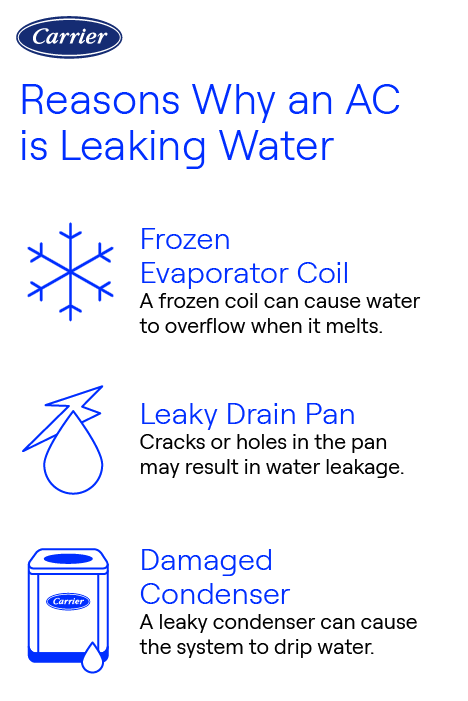
Have you ever noticed water dripping from your air conditioner and wondered why this happens? A leaking AC can be more than just a minor annoyance—it might signal a problem that could affect your comfort and increase your bills.
Understanding why your air conditioner leaks water can help you fix the issue quickly and avoid costly repairs. Keep reading to discover the common reasons behind those leaks and what you can do to stop them for good.

Credit: honorservices.com
Common Causes Of Ac Water Leaks
Clogged drain linestops water from flowing out. Water builds up and leaks inside the house. Dirt and mold often block the drain line.
Frozen evaporator coilhappens when air flow is poor. Ice melts and causes water to drip. This can happen in very cold weather or with low refrigerant.
Improper installationcan cause leaks. If parts are not fitted well, water may escape. Pipes and drain lines must be fixed tightly.
Dirty air filterblocks air flow. This makes the evaporator coil freeze. More ice means more water when it melts.
Low refrigerant levelslead to coil freezing. Ice melts and causes water to leak. This also reduces cooling power.
Damaged or rusted drain pancannot hold water properly. Water spills out and leaks inside the home. Rust is common in old AC units.
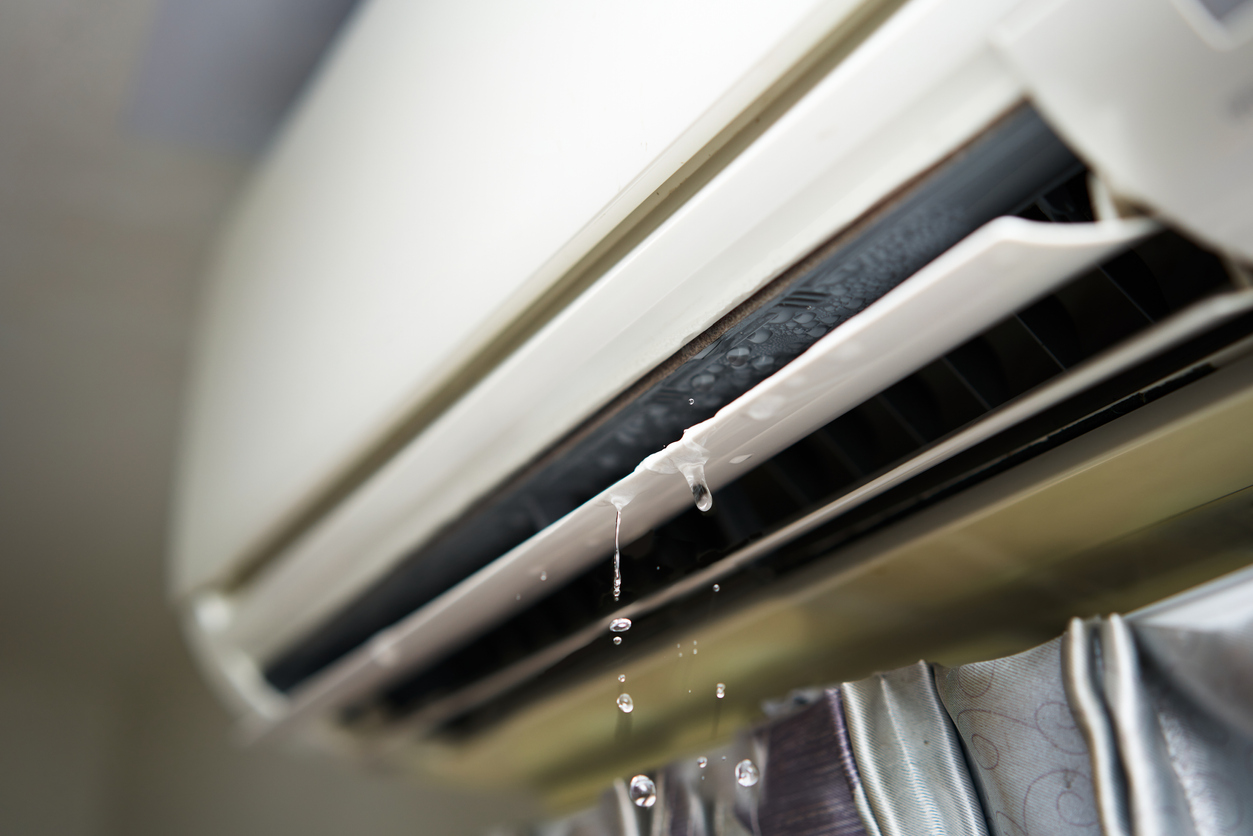
Credit: www.schaafsma.com
How Water Leaks Affect Ac Performance
Water leaksin an air conditioner can cause many problems. They reduce the AC’s ability to cool a room properly. This means the room stays warm even when the AC runs.
Leaking water makes the AC work harder. This increases energy useand raises electricity bills. The unit wears out faster too.
Wet areas inside or near the AC can lead to mold growth. Mold is bad for health and causes bad smells. It can also damage the AC parts.
Water leaks can ruin walls and floors. They cause stains, peeling paint, and wood damage. Fixing water damage can be expensive and take time.
Quick Fixes For Leaking Air Conditioners
Clearing the drain linehelps water flow out smoothly. Dirt or mold can block it. Use a wet/dry vacuum or a pipe cleaner to clear the line. This stops water from leaking inside your home.
Replacing the air filterkeeps air moving well. A dirty filter blocks airflow and causes ice to form. Ice melts and drips water. Change the filter every 1-3 months for better cooling and less water leakage.
Fixing refrigerant leaksrestores proper cooling. Low refrigerant makes coils freeze, then water leaks when ice melts. A professional can find and fix leaks and refill refrigerant safely.
Adjusting installation issuesensures the unit is level. If the air conditioner is tilted, water may not drain correctly. Check the unit’s position and adjust it to stop leaks.
Repairing or replacing the drain panprevents water overflow. Old or damaged pans crack and leak water. Inspect the pan and replace it if it is rusty or broken.
Preventive Measures To Avoid Leaks
Regular maintenance keeps your air conditioner working well. Clean or replace filters often. This helps stop water leaks and keeps air fresh.
Professional inspections find small problems early. Experts check pipes, drains, and parts to avoid leaks.
Using quality filters blocks dust and dirt. This protects the system and stops clogs that cause water leaks.
Proper installation ensures the unit drains water correctly. It prevents water from pooling and leaking inside your home.
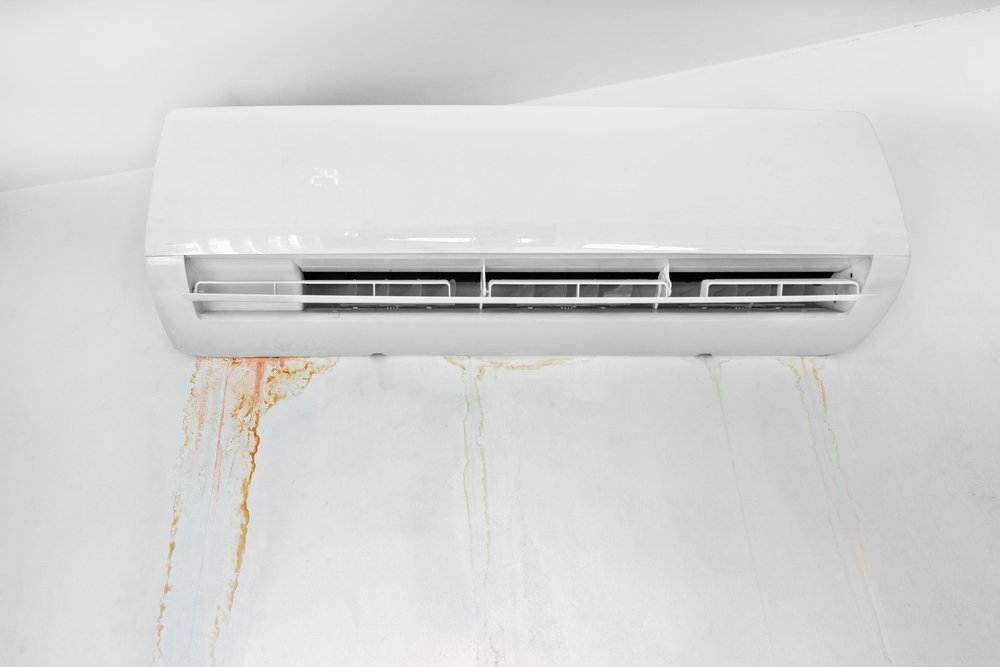
Credit: www.austingsmechanical.com
Frequently Asked Questions
Why Is My Air Conditioner Leaking Water?
An air conditioner can leak water due to a clogged drain line. This prevents condensation from draining properly. Other reasons include a damaged drain pan or low refrigerant levels, leading to ice formation and melting.
How Can I Fix A Leaking Ac Unit?
To fix a leaking AC, first check the drain line for clogs. Clean it using a wet/dry vacuum. Also, inspect the drain pan for damage. If issues persist, contact a professional technician to assess refrigerant levels or other mechanical problems.
Is It Normal For Ac To Drip Water?
While some water dripping is normal, excessive leakage indicates a problem. It usually signals a clogged drain line or a malfunctioning component. Routine maintenance helps prevent these issues and ensures efficient operation.
How Often Should Ac Units Be Serviced?
AC units should be serviced at least once a year. Regular maintenance checks help identify potential problems early. This includes inspecting and cleaning the drain line, checking refrigerant levels, and ensuring all components function effectively.
Conclusion
A leaking air conditioner can cause damage and waste energy. Clogged drains, frozen coils, or broken parts often cause leaks. Regular cleaning and timely repairs help prevent water problems. Check your AC unit often to catch issues early. Fixing leaks keeps your home comfortable and dry.
Don’t let small drips turn into big troubles. Stay alert and care for your air conditioner well.