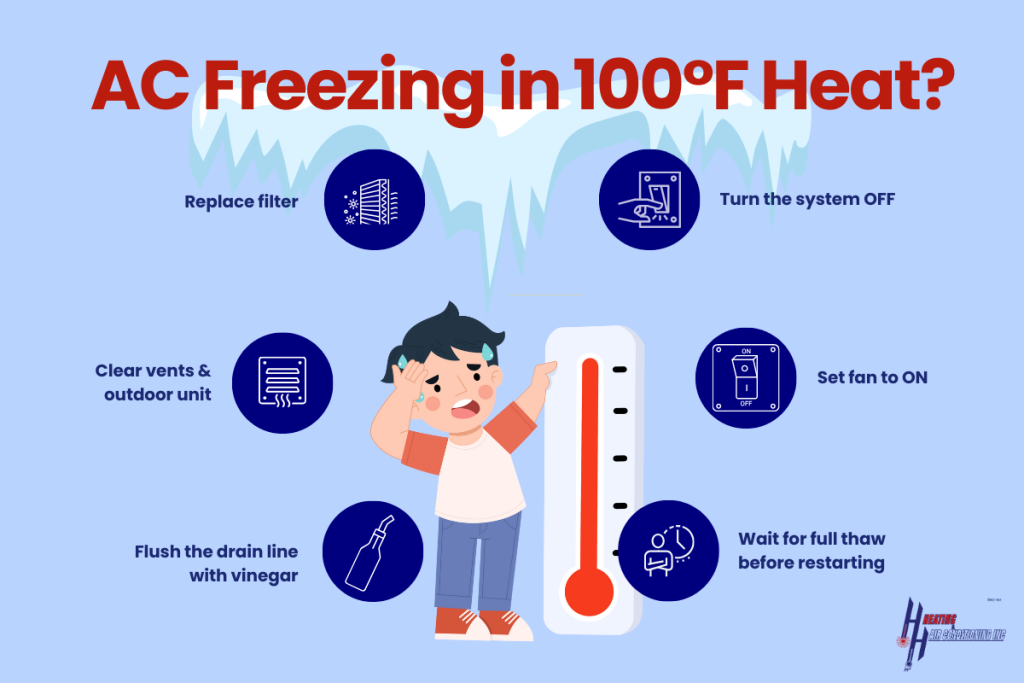
Have you ever noticed ice forming on your central air conditioner and wondered why it happens? When your AC freezes up, it can stop cooling your home and cause serious damage.
Understanding why this happens is the first step to fixing the problem and keeping your system running smoothly. You’ll discover the common reasons behind a frozen air conditioner and what you can do to prevent it. Keep reading to protect your comfort and avoid costly repairs.
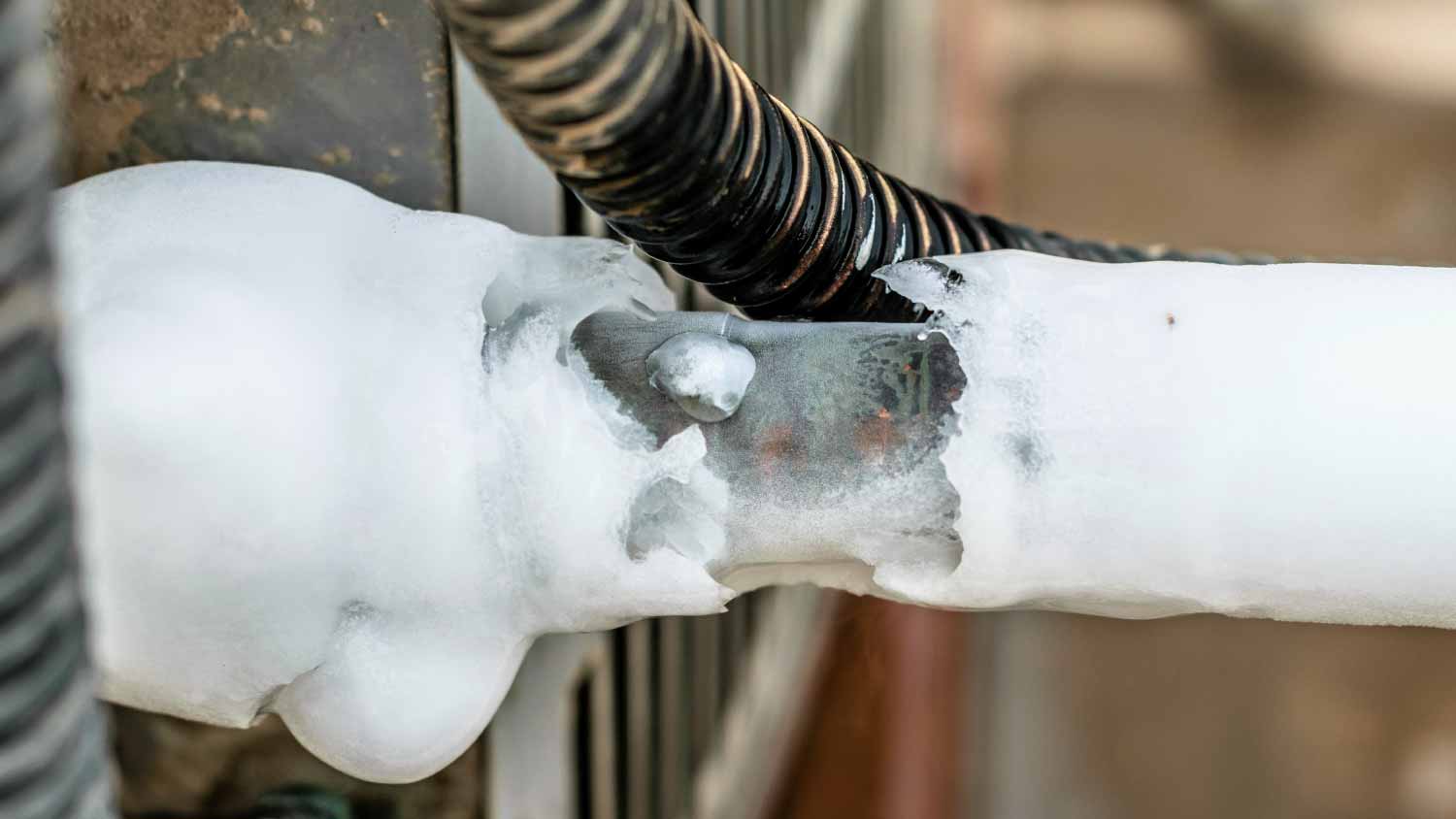
Credit: www.angi.com
Common Causes Of Ac Freezing
Central air conditioners can freeze up for several reasons. When this happens, the unit stops cooling properly.
Knowing the common causes helps you fix the problem quickly and avoid damage to your system.
Low Refrigerant Levels
Refrigerant is the fluid that cools the air in your AC. Low refrigerant means less cooling power.
When refrigerant is low, the pressure drops and the coils get too cold. This causes ice to form.
Restricted Airflow
Air must flow freely over the cooling coils. If airflow is blocked, the coils get too cold and freeze.
Obstructions like closed vents or dirty ducts can limit airflow and cause freezing.
Dirty Air Filters
Air filters trap dust and dirt before air reaches the coils. Dirty filters block air and reduce cooling.
Reduced airflow means the coils stay cold and ice can form on them.
Thermostat Issues
A broken or poorly placed thermostat can cause the AC to run too long. This can freeze the coils.
If the thermostat does not read the temperature correctly, it may not turn off the compressor in time.
Faulty Blower Fan
The blower fan pushes air over the coils. If it is not working, airflow drops and coils freeze.
Problems like a broken motor or loose belt can stop the fan from running properly.
How Refrigerant Affects Freezing
Central air conditioners use refrigerant to cool your home. The refrigerant moves heat from inside to outside.
If the refrigerant level is low, the system can freeze up. This happens because low refrigerant causes the coils to get too cold.
Leak Detection
Low refrigerant often means there is a leak in the system. Finding leaks early stops more damage.
Technicians use special tools to find leaks. They check all parts like coils and pipes carefully.
- Use electronic leak detectors to sense gas leaks
- Apply soapy water to find bubbles on pipes
- Inspect coils and connections for damage
Recharging Refrigerant
After fixing leaks, the system needs more refrigerant. This is called recharging the system.
Adding the right amount of refrigerant helps the air conditioner work properly. Too much or too little can cause freezing.
- Check the manufacturer’s recommended refrigerant level
- Add refrigerant slowly to avoid overcharging
- Test system pressure after recharging
Professional Handling
Handling refrigerant needs special skills and tools. Only trained professionals should do this work.
Incorrect handling can harm the system and the environment. Professionals follow safety rules and use certified equipment.
- Certified technicians use approved refrigerant types
- Proper tools prevent leaks and spills
- Experts maintain system efficiency and safety
Airflow Problems Leading To Freeze
Central air conditioners need good airflow to work well. If air cannot flow properly, the system can freeze up. This freezing can stop your air conditioner from cooling your home.
Several issues can block or reduce airflow. These problems cause the cold parts of the system to build ice. Below are common airflow problems that lead to freezing.
Blocked Vents
Vents are openings that let air move through your home. If vents get blocked, air cannot flow freely. Dust, furniture, or curtains can block vents.
- Dust and dirt buildup inside vents
- Furniture placed too close to vents
- Closed or covered vents
- Pet hair blocking air pathways
Blocked vents make your air conditioner work harder. This stress can cause the system to freeze up over time.
Damaged Ductwork
Ducts carry air from your air conditioner to every room. If ducts are damaged, air leaks out or slows down. This lowers the airflow and cools the system too much.
| Type of Damage | Effect on Airflow |
|---|---|
| Holes or cracks | Air leaks reduce pressure |
| Disconnected sections | Air escapes before reaching rooms |
| Collapsed or crushed ducts | Airflow blocks or slows down |
Fixing damaged ducts helps restore smooth airflow. This prevents freezing and improves cooling.
Fan Motor Malfunctions
The fan motor pushes air through your system. If it stops working well, airflow drops. The motor can fail from wear, dirt, or electrical issues.
- Slow or weak fan speeds
- Fan stops running completely
- Strange noises from the motor
- Overheating or electrical faults
A bad fan motor causes poor airflow. Without enough air moving, your air conditioner can freeze.
Maintenance Tips To Prevent Freezing
Central air conditioners can freeze up if they are not well maintained. Freezing blocks airflow and stops cooling.
Regular care helps keep your system working smoothly and prevents ice buildup on coils.
Regular Filter Replacement
Dirty filters block airflow and cause the system to work harder. This can make the coils freeze.
Change your air filter every 1 to 3 months. Use filters that fit well and have good quality.
- Check filters monthly during heavy use
- Replace if filter looks dirty or clogged
- Use the filter size recommended by the manufacturer
Cleaning Coils And Vents
Coils and vents gather dust and dirt over time. This reduces airflow and can cause freezing.
Clean coils gently with a soft brush or coil cleaner. Clear vents and registers from dust and blockages.
- Turn off power before cleaning coils
- Use a vacuum or brush for vents and registers
- Keep outdoor unit free from leaves and debris
Scheduled Professional Inspections
Professionals check your system for hidden issues that cause freezing. They clean and tune parts.
Have a technician inspect your air conditioner at least once a year. This prevents small problems from growing.
- Check refrigerant levels and refill if needed
- Inspect electrical connections and controls
- Test system performance and airflow
Diy Fixes For Minor Freezing Issues
Central air conditioners can freeze up for different reasons. Some causes are easy to fix at home. These fixes help you save time and avoid costly repairs.
Try these simple steps to stop your air conditioner from freezing. They work well for minor freezing problems.
Turning Off The Unit To Thaw
When your air conditioner freezes, turn it off to let the ice melt. This stops damage to the system.
Use a fan to speed up thawing if you want. Do not try to chip the ice off, as it can harm the unit.
Checking And Changing Filters
Dirty air filters block airflow and cause freezing. Check your filters every month during use.
Replace filters if they look clogged or dirty. Clean filters help your air conditioner work better and stay ice-free.
- Locate your air filter in the return vent or air handler
- Remove and inspect the filter
- Replace if dusty or damaged
- Use the right size and type for your unit
Ensuring Proper Thermostat Settings
Incorrect thermostat settings can cause your unit to freeze. Set the temperature to a comfortable, steady level.
A very low temperature makes the system work too hard and freeze. Keep the thermostat at about 75 degrees Fahrenheit for best results.

Credit: www.reddit.com
When To Call An Hvac Professional
Central air conditioners can freeze up for many reasons. Some issues are simple to fix, but others need a professional. Knowing when to call an HVAC expert helps protect your system.
If your air conditioner freezes often or the ice does not melt after turning off the unit, it is time to get help. Ignoring the problem can cause damage and higher repair costs.
Signs Of Serious Problems
Look for these signs that show your air conditioner needs professional care:
- Ice builds up quickly or in large amounts on the coils.
- The system stops cooling your home properly.
- Strange noises come from the unit during operation.
- Water leaks near the indoor or outdoor unit.
- Airflow from vents feels weak or uneven.
Avoiding Further Damage
To prevent more problems before the technician arrives, follow these tips:
- Turn off the air conditioner to stop ice growth.
- Do not try to chip away the ice; it can harm the coils.
- Check and replace dirty air filters if needed.
- Clear the area around the outdoor unit from debris.
- Keep windows and doors closed to improve cooling efficiency.
Choosing The Right Technician
| Factor | What to Check | Why It Matters |
|---|---|---|
| License and Certification | Look for HVAC licenses and EPA certification. | Shows the technician is trained and legal. |
| Experience | Ask how many years they have worked on AC systems. | More experience means better diagnosis and repair. |
| Reviews and References | Read customer reviews and request references. | Helps find trusted and reliable service providers. |
| Warranty and Guarantees | Check if repairs and parts come with a warranty. | Protects you from future costs if problems reappear. |

Credit: www.callacs.com
Frequently Asked Questions
Why Does My Central Ac Freeze Up Suddenly?
Central AC freezes due to restricted airflow or low refrigerant. Dirty filters, blocked vents, or refrigerant leaks cause coil temperature to drop below freezing, forming ice on the unit.
How Can Low Refrigerant Cause Ac Freezing?
Low refrigerant reduces pressure in the coils, causing them to get too cold. This drops the temperature below freezing, leading to ice buildup on the evaporator coil.
Can Dirty Air Filters Cause Ac To Freeze?
Yes, dirty air filters restrict airflow, reducing heat exchange. This causes the evaporator coil to become too cold and freeze, leading to a frozen AC unit.
Is A Frozen Ac Dangerous To The System?
Yes, a frozen AC can damage the compressor and reduce efficiency. Running a frozen unit stresses components and may cause costly repairs.
Conclusion
A frozen central air conditioner can cause many problems. Blocked airflow or low refrigerant often leads to freezing. Cleaning filters and checking vents helps prevent ice buildup. Regular maintenance keeps your system running smoothly. Acting fast avoids costly repairs and discomfort.
Know the signs to keep your home cool. Stay alert and care for your AC well.