Have you ever wondered why college baseball players swing aluminum bats instead of wooden ones? If you’re curious about what makes these bats the top choice on the field, you’re in the right place.
Understanding why aluminum bats are used can change the way you see the game and even improve your own playing strategy. Keep reading, and you’ll discover the surprising reasons behind this popular choice and how it affects the game you love.
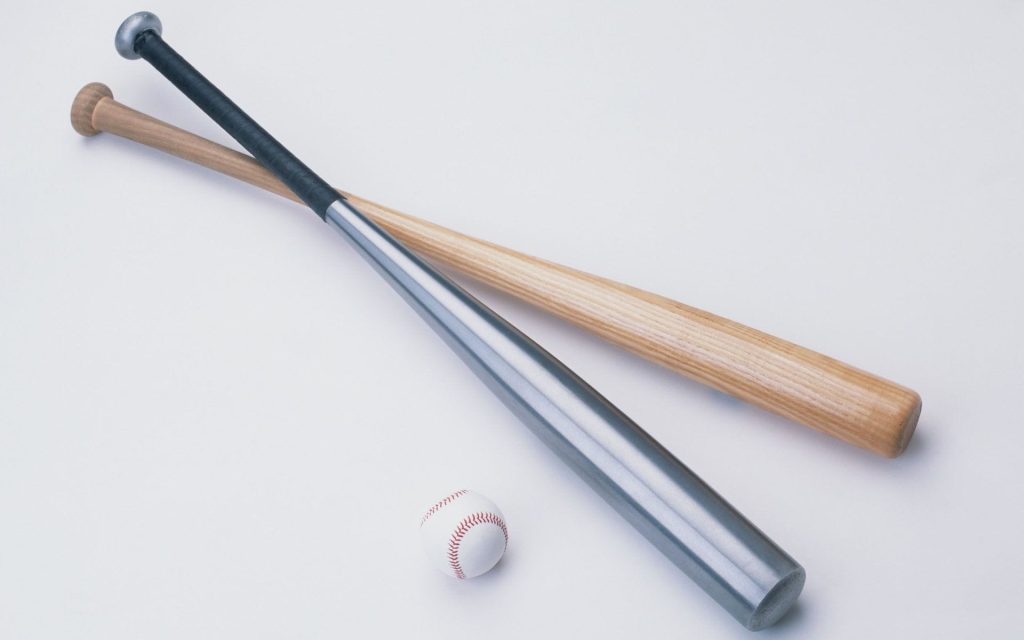
Aluminum Bats Vs. Wooden Bats
College baseball uses aluminum bats more than wooden ones. The choice affects play and equipment care. Knowing the differences helps understand why aluminum is popular.
This article looks at three main points: material differences, durability and maintenance, and performance impact.
Material Differences
Aluminum bats are made from a metal alloy, usually aluminum mixed with other metals. Wooden bats come from a single piece of wood, often ash or maple. The materials change how bats feel and perform.
- Aluminum bats:lighter, hollow inside, more flexible
- Wooden bats:heavier, solid wood, less flexible
- Wood types:ash, maple, birch are common
Durability And Maintenance
Aluminum bats last longer and need less care. Wooden bats can crack or break easily and require more attention.
| Aspect | Aluminum Bats | Wooden Bats |
|---|---|---|
| Durability | High resistance to dents and cracks | Prone to cracks and breaks |
| Maintenance | Clean with a cloth, store dry | Needs regular oiling and checks for damage |
| Weight | Lightweight, easier to swing | Heavier, requires more strength |
Performance Impact
Aluminum bats hit balls farther and faster due to their design. Wooden bats offer better control and feel but less power.
- Aluminum bats have a larger sweet spot
- Wooden bats provide more feedback on contact
- Aluminum bats can increase batting speed
- Wooden bats demand precise hitting technique
Enhanced Bat Speed And Power
College baseball players use aluminum bats to increase their performance at the plate. These bats offer benefits that wood bats cannot match. Using aluminum helps players swing faster and hit the ball harder.
The design and material of aluminum bats improve bat speed and power. This gives players a better chance to drive the ball farther and score runs.
Lighter Weight Benefits
Aluminum bats weigh less than wooden bats. This lighter weight helps players control their swings better. It also reduces fatigue during long games or practices.
- Easier to handle for players of all sizes
- Allows quick adjustments during the swing
- Reduces strain on the wrists and arms
Increased Swing Speed
Because aluminum bats are lighter, players can swing faster. This faster swing speed creates more momentum. The extra momentum turns into stronger hits and better contact with the ball.
| Bat Material | Average Weight (oz) | Average Swing Speed (mph) |
| Wood | 32 | 70 |
| Aluminum | 28 | 75 |
Effect On Ball Distance
The faster swing speed and lighter weight of aluminum bats help the ball travel farther. Players can hit longer home runs and line drives. This makes aluminum bats popular in college baseball.
Cost Efficiency For Teams
College baseball teams often choose aluminum bats for cost efficiency. These bats provide a longer lifespan and reduce replacement needs.
Teams can save money while maintaining performance. Budget-friendly options make aluminum bats an appealing choice.
Longer Lifespan
Aluminum bats last longer than wooden ones. This durability is due to the strong materials used in manufacturing. Teams benefit from not having to buy new bats frequently.
Reduced Replacement Frequency
Teams replace aluminum bats less often. Wooden bats break more easily, which means more replacements. With aluminum bats, teams can focus on the game, not equipment issues.
- Aluminum bats rarely break.
- Fewer replacements lower costs.
- More games played with less interruption.
Budget-friendly Options
Aluminum bats come in various price ranges. Teams can choose options that fit their budget. This flexibility helps teams manage finances better.
Aluminum bats offer:
- High durability
- Cost savings over time
- Consistent performance

Credit: www.bannersontheparkway.com
Safety Considerations
College baseball uses aluminum bats for many reasons. One key reason is safety. These bats help reduce injuries for players.
Understanding how aluminum bats affect player safety helps explain their use in college baseball.
Impact On Player Injury Rates
Aluminum bats are lighter than wooden bats. This weight difference allows players to control the bat better. Better control means fewer missed hits and less chance of injury.
- Faster swing speed with aluminum bats helps players avoid being hit by the ball.
- Lighter bats reduce strain on players’ arms and shoulders.
- Aluminum bats are less likely to break, avoiding sharp pieces that can cause harm.
Design Features For Safety
Aluminum bats include special design features to keep players safe. These features lower the risk of injury during play.
| Feature | Safety Benefit |
| Barrel Size | Helps reduce ball speed off the bat |
| End Cap | Less vibration reduces hand injuries |
| Material Strength | Prevents bat breakage and sharp edges |
| Bat Length and Weight | Improves swing control and reduces muscle strain |
Influence On Game Dynamics
College baseball uses aluminum bats to change how the game plays. These bats affect the speed and style of play.
The use of aluminum bats makes the game faster and often leads to more scoring. Fans also find the game more exciting to watch.
Faster Pace Of Play
Aluminum bats are lighter than wooden bats. Players can swing them faster and react quickly.
This speed helps the game move along without long breaks. Pitchers and batters stay active, keeping the game lively.
Higher Scoring Games
Aluminum bats hit the ball harder and farther. This creates more hits and runs during the game.
With higher scores, teams have more chances to compete and catch up. This keeps the game interesting until the end.
Fan Engagement
Fans enjoy seeing fast action and many runs. Aluminum bats help create this exciting atmosphere.
The lively pace and high scores keep fans cheering and watching closely. This adds energy to the stadium and games.

Credit: batdigest.com
Regulations And Standards
College baseball uses aluminum bats to keep the game safe and fair. There are rules that control bat size, weight, and performance. These rules help players use bats that work well without being dangerous.
Different organizations set standards for aluminum bats. These standards make sure all bats meet the same limits. Players, coaches, and officials rely on these rules to keep the sport balanced.
Ncaa Rules On Bat Specifications
The NCAA sets clear rules for aluminum bats in college baseball. Bats must fit size and weight limits. They also need to pass tests that check how fast the ball leaves the bat.
The NCAA uses a standard called BBCOR (Batted Ball Coefficient of Restitution). This measures how much energy the bat gives to the ball. Bats must meet this standard to be allowed in games.
- Maximum length: 36 inches
- Maximum weight drop: -3 (length minus weight)
- BBCOR certification required
- Material must be aluminum or composite
Certification Processes
Bats must go through a certification process before use. This process checks bat performance and safety. Certified bats get a stamp or label to show they meet NCAA rules.
Manufacturers send bats to labs for testing. The labs check speed, size, and durability. Only bats that pass all tests get certified for college play.
- Performance tests measure ball speed
- Size and weight are verified
- Durability and material quality checked
- Certified bats receive official markings
Ongoing Adjustments
Rules about aluminum bats change over time. The NCAA reviews bat standards regularly to keep the game safe. Adjustments may lower the allowed bat speed or change certification methods.
These updates help protect players and keep competition fair. Coaches and players must stay informed about new rules and bat approvals.
- Regular review of bat performance limits
- Updates to certification procedures
- New materials tested before approval
- Communication of changes to teams and leagues
Environmental Impact
College baseball uses aluminum bats for many reasons. One important reason is their impact on the environment. Understanding this impact helps us see why aluminum bats are a good choice.
This section explains how aluminum bats affect the environment. It also compares aluminum bats to wooden bats in terms of waste and recycling.
Recyclability Of Aluminum Bats
Aluminum bats are made from metal that can be recycled many times. This means old or broken bats do not have to go to landfills. Instead, they can be melted down and made into new products.
Recycling aluminum saves energy and reduces the need for mining new metal. This helps protect natural resources and lowers pollution.
- Aluminum is 100% recyclable
- Recycling uses less energy than making new aluminum
- Recycled aluminum reduces waste in landfills
Comparison With Wooden Bat Waste
Wooden bats are made from trees, which are a natural resource. When wooden bats break, they often end up as trash. They do not recycle as easily as aluminum bats.
Broken wooden bats create more waste because they can only be reused as wood chips or burned for energy. This can cause pollution and use more resources over time.
- Wooden bats come from trees, which take time to grow
- Broken wooden bats mostly become landfill waste or chips
- Wood waste can cause pollution if burned

Credit: batdigest.com
Frequently Asked Questions
Why Do College Teams Prefer Aluminum Bats?
College teams use aluminum bats because they are lighter and more durable. Aluminum bats allow faster swing speeds and better control, enhancing player performance. They also reduce costs over time due to longevity compared to wooden bats.
How Do Aluminum Bats Improve Hitting In College Baseball?
Aluminum bats provide a larger sweet spot, increasing hitting accuracy. Their lightweight design helps players swing faster and generate more power. This results in better ball speed and distance, improving offensive gameplay.
Are Aluminum Bats Safer For College Baseball Players?
Aluminum bats are designed with safety features like reduced vibration and balanced weight. They help minimize hand injuries and provide consistent performance. However, safety also depends on proper bat standards and player technique.
What Makes Aluminum Bats Cost-effective For College Baseball?
Aluminum bats last longer than wooden bats, reducing replacement frequency. Their durability withstands intense gameplay and weather conditions. This longevity lowers overall expenses for college teams, making aluminum bats a budget-friendly option.
Conclusion
College baseball uses aluminum bats for many good reasons. They are lighter and easier to swing. This helps players hit the ball harder and faster. Aluminum bats also last longer than wooden ones. They cost less over time, which helps teams save money.
These bats also keep the game safe by reducing broken wood pieces. Players can enjoy better performance without extra risk. The use of aluminum bats makes college baseball fun and fair. This choice supports both the players and the sport’s growth.