
Have you ever been caught in the heat, only to find your central air conditioner suddenly stops working? It’s frustrating, uncomfortable, and can leave you wondering what went wrong.
You rely on your AC to keep your home cool and comfortable, so when it breaks down, it feels like everything is out of control. But don’t worry—understanding why your house central air conditioner stops working can help you fix the problem faster and avoid costly repairs.
Keep reading, and you’ll discover the common reasons behind AC failure and what you can do to get your cool air flowing again.
Common Signs Of Ac Failure
Unusual noiseslike rattling, buzzing, or clicking often mean a problem. These sounds might come from loose parts or worn-out motors. Strange noises should never be ignored as they signal internal issues.
Weak airflowfrom vents means the system is struggling. Blocked filters, frozen coils, or duct leaks reduce airflow. This makes the room feel warmer and less comfortable.
Inconsistent coolingcauses some rooms to be cold while others stay warm. It can result from low refrigerant levels or faulty thermostats. Uneven cooling wastes energy and lowers comfort.
Electrical Issues
A tripped circuit breakercan stop the air conditioner from working. It happens when the breaker detects too much electrical current. Resetting the breaker might fix the issue, but repeated trips mean there is a deeper problem.
Faulty wiringcan cause electrical shorts or poor connections. This can lead to the unit not turning on or shutting off suddenly. A professional should inspect the wiring to avoid risks like fire or further damage.
Capacitor problemsaffect the motor’s ability to start and run. A bad capacitor can cause the compressor or fan to fail. Signs include humming sounds or no air blowing from the vents.
Refrigerant Problems
Low refrigerant levelscause the air conditioner to stop cooling properly. This happens because refrigerant moves heat from inside to outside. Without enough refrigerant, the system cannot absorb heat well.
Leaksin the refrigerant lines reduce the system’s efficiency. Leaks let the refrigerant escape, lowering pressure inside the pipes. This leads to poor cooling and may damage the compressor.
Proper charging of refrigerant is very important. Too little or too much refrigerant affects the air conditioner’s performance. Only a trained technician should check and refill the refrigerant to the right level.

Credit: www.ars.com
Dirty Or Clogged Components
Dirty air filtersblock airflow, making the AC work harder. This lowers cooling efficiency and may cause the system to stop. Filters should be checked and changed regularly to keep air clean and flow smooth.
Clogged condenser coilsstop heat from leaving the system. Dust and dirt build up on coils outside. This causes the AC to overheat and shut down. Cleaning coils helps maintain proper cooling.
Blocked drain linesstop water from draining properly. Water builds up inside the AC unit and can cause damage. Clearing the drain line prevents leaks and system failure.
Thermostat Malfunctions
Incorrect thermostat settingscan stop the air conditioner from working. If the thermostat is set too high, the AC will not turn on. Setting it to “heat” instead of “cool” causes problems too. Double-checking settings helps avoid this issue.
Sensor issuesalso affect AC performance. The sensor tells the thermostat the room temperature. If it is moved or damaged, the AC might turn off early or not start at all. Keeping the sensor near the coil and secure ensures proper function.
Calibration problemshappen when the thermostat does not read temperature correctly. This causes the AC to run too long or not enough. Regular calibration by a technician keeps the system accurate and efficient.

Credit: www.furnaceprices.ca
Mechanical Failures
The compressoris the heart of the air conditioner. A breakdowncan stop cool air from flowing. It may make loud noises or fail to start. Repairing or replacing it is often needed.
The fan motormoves air over the coils. If it stops working, the unit won’t cool properly. The fan may hum or not spin at all. This issue can cause the system to overheat.
Worn out bearingsin the motor cause friction. This leads to strange noises and poor performance. Bearings need lubrication or replacement to keep the system running smoothly.
Lack Of Regular Maintenance
Lack of regular maintenancecan cause your central air conditioner to stop working properly. Dust and dirt build up on the parts, making the system work harder than it should. This leads to poor cooling performanceand higher energy bills.
Filters get clogged, blocking airflow. Coils become dirty, reducing their ability to absorb heat. These issues can cause the unit to overheat and shut down.
| Recommended Maintenance Schedule | Task |
|---|---|
| Monthly | Check and replace air filters |
| Annually | Clean coils and inspect system |
| Seasonally | Clear debris around outdoor unit |
Environmental Factors
Extreme weathercan cause your central air conditioner to stop working. Very hot days make the unit work harder, leading to overheatingor shutting down. Cold weather can cause parts to freezeor stop moving, especially if the system is not designed for low temperatures.
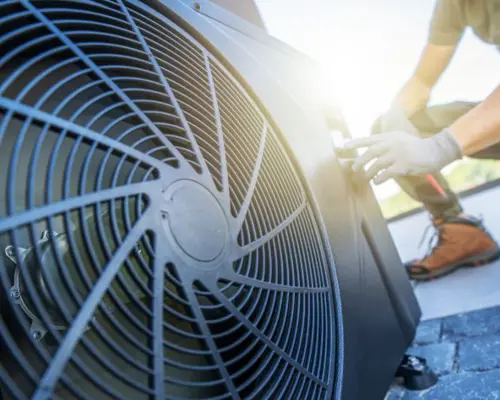
Obstructionsaround the unit block airflow and cause poor performance. Leaves, dirt, or debris can build up and clogthe system. Even tall grass or bushes near the unit can stop it from cooling well. Keeping the area clearhelps the air conditioner work properly.
Credit: www.ars.com
Frequently Asked Questions
Why Is My Ac Not Cooling My House?
Your AC might not cool due to dirty filters, low refrigerant, or a faulty thermostat. Regular maintenance can prevent these issues. Check if the outdoor unit is blocked or if the circuit breaker has tripped. If problems persist, consult a professional HVAC technician for a thorough inspection.
How Do I Reset My Central Air Conditioner?
To reset your AC, turn off the thermostat and breaker. Wait five minutes before switching them back on. Ensure the thermostat is set to “cool” mode. This simple reset can resolve minor system glitches. If problems continue, consider seeking professional assistance to avoid further damage.
What Causes Central Ac To Stop Working?
Several factors can cause AC failure, including electrical issues, refrigerant leaks, or frozen coils. A clogged air filter or blocked vents can also be culprits. Regular maintenance and inspections help identify and address these issues early, ensuring your system runs smoothly and efficiently.
How Can I Fix My Ac That Won’t Turn On?
First, check the thermostat settings and ensure it’s on “cool” mode. Verify the circuit breaker and reset if necessary. Inspect the air filter for dirt and replace if needed. If these steps don’t work, contact a professional to diagnose and fix any underlying mechanical issues.
Conclusion
A central air conditioner can stop working for many reasons. Dirt, electrical issues, or low refrigerant often cause problems. Regular maintenance helps keep the system running smoothly. Ignoring small issues may lead to bigger, costly repairs. Always check filters and power sources first.
Calling a professional can save time and money. Staying alert to your AC’s signs keeps your home cool. Taking simple steps prevents sudden breakdowns and discomfort. Your comfort depends on a working air conditioner. Keep it clean, checked, and ready for hot days.