
Have you ever turned on your air conditioner expecting cool, fresh air but instead felt a sticky, humid breeze? It’s frustrating when your AC doesn’t make your space comfortable the way it should.
You might be wondering, “Why does my air conditioner feel humid? ” Understanding the reasons behind this can save you from discomfort and costly repairs. Keep reading, and you’ll discover simple explanations and easy fixes to get your AC working just the way you want—cool, dry, and refreshing.
Common Air Conditioner Issues
Air conditioners may feel humid due to inadequate cooling power. This happens when the unit cannot remove enough moisture from the air. The room feels sticky and warm instead of cool and dry.
Improper installationcan cause airflow issues. If the unit is not level or vents are blocked, moisture removal reduces. This leads to a damp and uncomfortable room atmosphere.
Faulty thermostat settingsmay also cause humidity problems. Incorrect temperature or fan speed settings stop the AC from working properly. This leaves the air feeling moist and stuffy.

Credit: homexplumbing.com
Refrigerant Problems
Low refrigerant levels cause the air conditioner to work poorly. Without enough refrigerant, the system can’t cool air well. This makes the air feel warm and humid inside your home.
Leaks in the refrigerant lines are a common issue. These leaks let refrigerant escape, lowering the amount inside the system. A leak also makes the AC freeze up sometimes, which blocks moisture removal from the air.
Signs of refrigerant problems:
- Air feels moist and sticky
- AC runs longer but cools less
- Ice forms on the outdoor unit
- Higher energy bills without better cooling
Dirty Or Clogged Components
Blocked air filtersstop air from flowing freely. This makes the air conditioner work harder. It can cause the air to feel damp and humid inside your home. Filters catch dust and dirt, so they need cleaning or changing often.
Dirty evaporator coilsalso cause humidity problems. These coils cool the air and remove moisture. When coated with dirt, they cannot cool well. This leaves moisture inside the air, making the room feel wet and sticky.
Both issues reduce the air conditioner’s ability to dry the air. Cleaning filters and coils regularly keeps the air fresh and dry. This helps your home feel comfortable and cool.
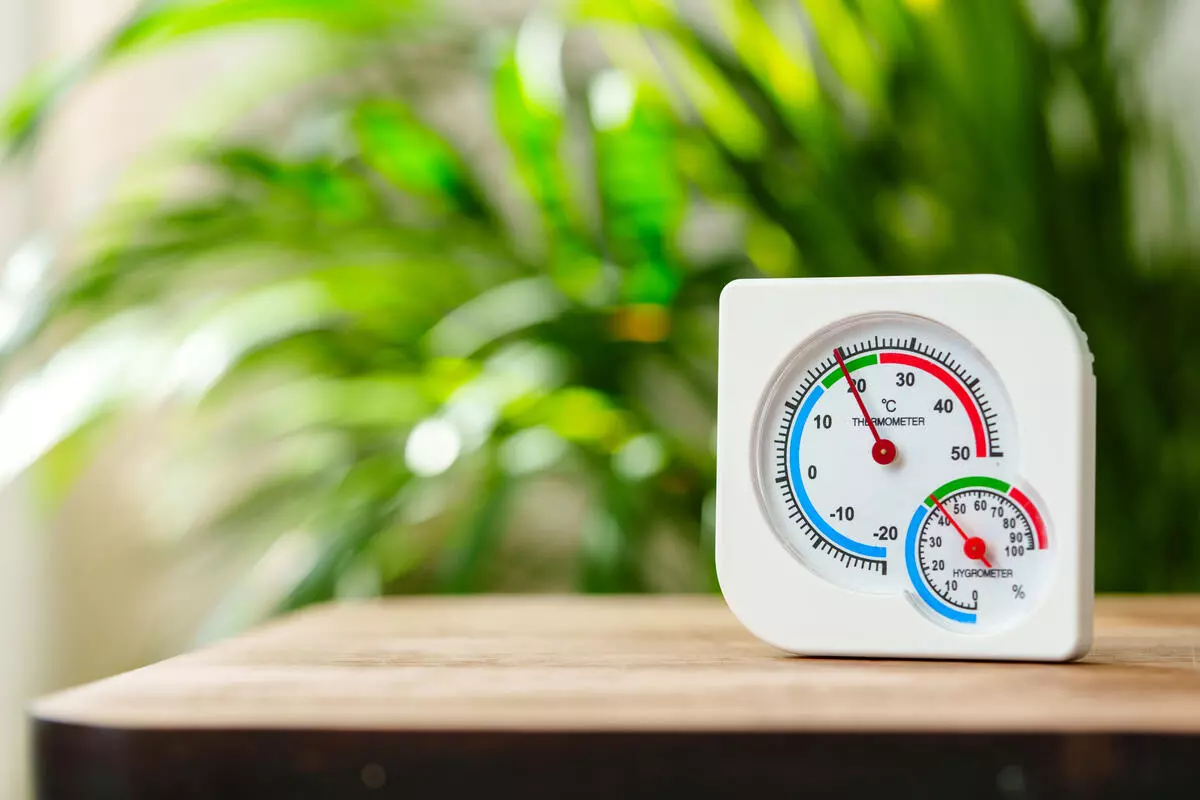
Credit: www.etrhvac.com
Drainage Issues
Blocked drain lines stop water from leaving the air conditioner. This causes moisture to build up inside. That trapped water makes the air feel humidand uncomfortable. Dirt and debris often cause the block. Regular cleaning helps keep drain lines clear.
Improper drainage setup means water does not flow out correctly. The drain pipe may slope the wrong way or be too short. Water then pools inside or leaks into the room. Fixing the setup lets water drain away properly. This reduces the humidityfeeling.
Oversized Air Conditioning Units
An oversized air conditionercools the room too fast. It turns off quickly and starts again soon. This is called short cycling. The unit does not run long enough to remove moisture from the air.
Because the air conditioner stops too soon, humidity stays inside. This makes the room feel damp and sticky. The air feels less comfortable despite the cool temperature.
- Short cycling reduces moisture removal.
- Humidity builds up in the room.
- Oversized units waste energy by turning on and off.
- Comfort decreases even if the room is cool.
Insufficient Airflow
Closed or blocked ventsstop air from moving well. This makes the room feel warm and humid. Dust or furniture can cover vents. Check all vents to keep air flowing freely.
Fan problemsalso cause poor airflow. A broken or slow fan cannot push air properly. This leads to less cool air and more moisture inside. Fans need to work well for the AC to remove humidity.
Environmental Factors
High outdoor humiditymakes air feel wet and sticky inside. Air conditioners cool air but do not always remove enough moisture. When the outside air is very humid, the system works harder to dry the air. Sometimes, it cannot keep up, so the indoor air feels damp.
Poor home insulation lets moist air enter your space. Gaps in walls, doors, or windows allow humid air inside. This adds to the moisture level and makes rooms feel clammy. Insulation helps keep the air dry and cool by blocking outside moisture.
- High outdoor humidityincreases indoor moisture.
- Air conditioner may struggle to remove all moisture.
- Poor insulationlets humid air enter home.
- Seal gaps in walls, windows, and doors to reduce moisture.
Credit: www.glorsheating.com
Maintenance And Prevention
Regular cleaningof your air conditioner helps it work well. Dust and dirt can block the air flow. This makes the air feel sticky or humid. Clean or replace the air filters every month or two. Wipe down the coils and fins carefully to remove grime. This helps the unit cool and dry the air better.
Professional inspectionscatch problems early. Experts check for leaks and blockages. They also ensure the refrigerant levels are right. Low refrigerant can cause humidity to rise inside your home. A yearly check-up keeps the air conditioner running smoothly and keeps the air fresh.
Frequently Asked Questions
Why Does My Air Conditioner Feel Humid Inside?
Your AC might not be removing enough moisture due to a dirty filter or low refrigerant. This reduces its dehumidifying ability, causing a humid feel indoors.
Can A Clogged Drain Line Cause Ac Humidity?
Yes, a clogged condensate drain line can trap moisture inside the unit. This leads to water buildup and increased indoor humidity levels.
Does Poor Ventilation Affect Ac Humidity Levels?
Poor ventilation limits air circulation, causing moisture to build up. This makes the air conditioner less effective at reducing indoor humidity.
How Does Refrigerant Level Impact Ac Humidity?
Low refrigerant levels reduce cooling efficiency and prevent proper condensation. This stops moisture removal, leading to a humid indoor environment.
Conclusion
A humid feeling from your air conditioner is common but fixable. Dirty filters or blocked drains can cause moisture buildup. Regular cleaning helps your AC remove humidity better. Checking your unit’s settings ensures it cools and dries air properly. Small repairs can make a big difference in comfort.
Stay aware of these signs to keep your home fresh. Taking quick action prevents bigger problems later. Enjoy a cooler, drier space with simple care and attention.