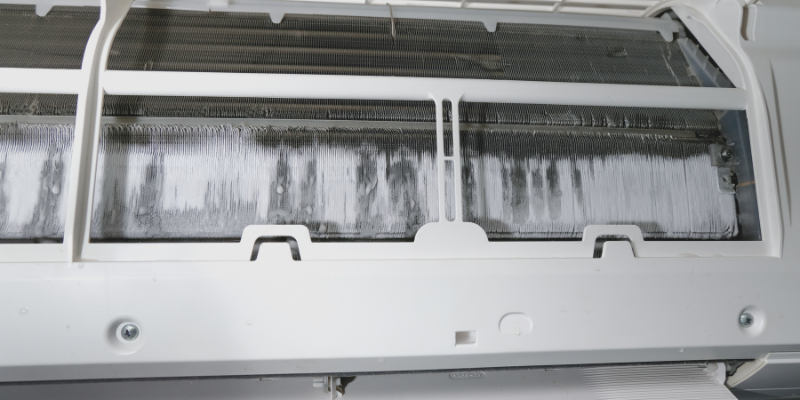
Have you ever noticed your air conditioner looking like an ice sculpture? When your AC freezes up, it’s not just strange—it’s a sign that something is wrong.
You might feel frustrated, especially when you’re counting on cool air to beat the heat. But don’t worry. Understanding why your air conditioner freezes up can save you from costly repairs and keep your home comfortable. You’ll discover the common reasons behind this problem and simple steps to fix it before it gets worse.
Keep reading to make sure your AC stays cool and efficient all summer long.
Common Causes Of Ac Freezing
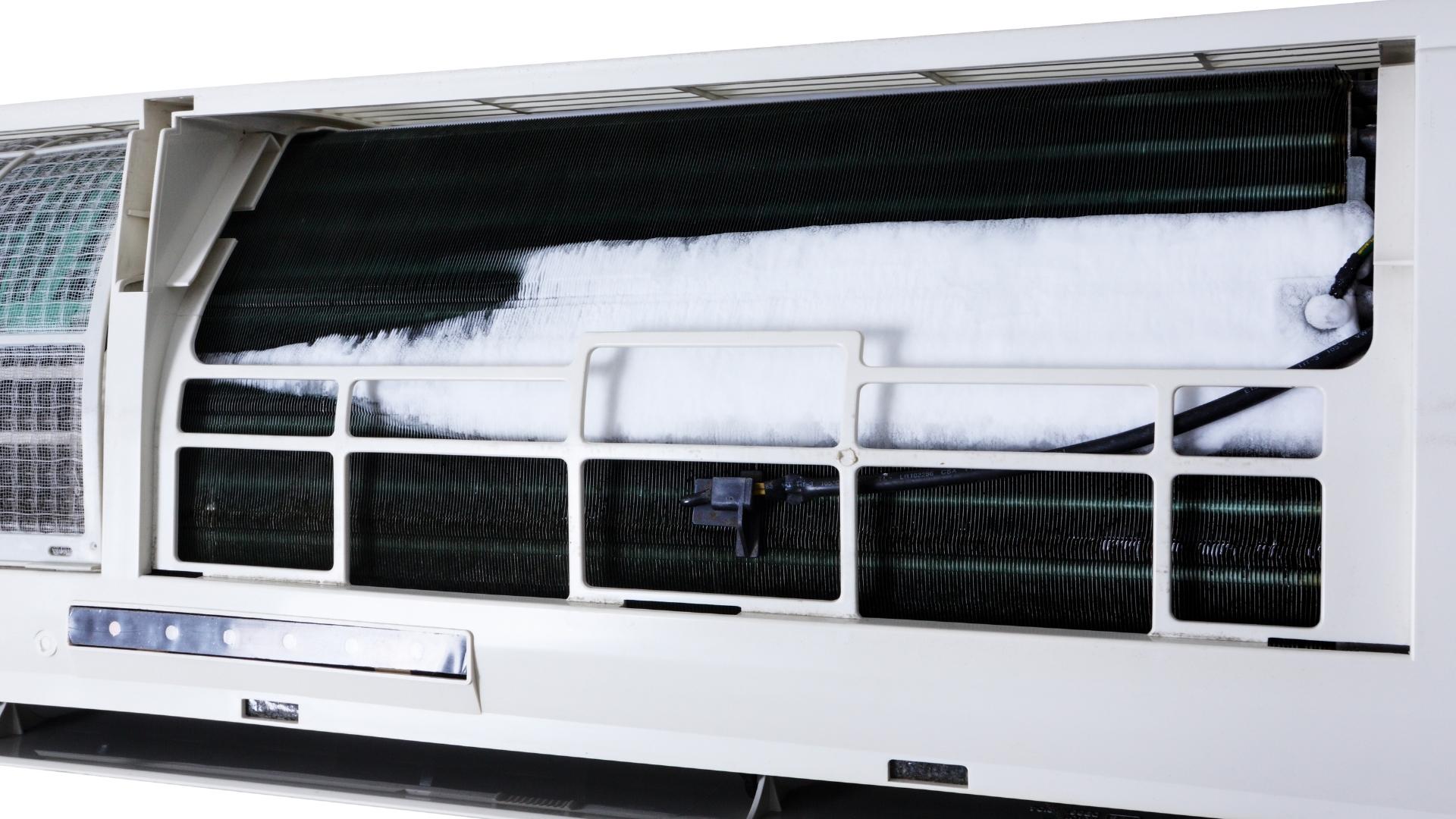
Your air conditioner may freeze up for several reasons. Ice can build on the coils and block airflow.
Knowing the common causes helps you fix the problem faster and avoid damage.
Low Refrigerant Levels
Refrigerant cools the air inside your AC. If it leaks or runs low, the coils get too cold.
Cold coils cause moisture to freeze, which leads to ice buildup on the unit.
Poor Airflow
Air must flow well over the coils to keep them warm. Blocked or weak airflow causes freezing.
Blocked vents or closed doors reduce airflow and can make your AC freeze up.
- Closed or blocked vents
- Dirty or damaged ducts
- Obstructed outdoor unit
Dirty Air Filters
Filters catch dust and dirt. When dirty, they block air from moving through the system.
Blocked airflow from dirty filters causes the coils to get too cold and freeze.
Thermostat Issues
If the thermostat is wrong or broken, the AC may run too long or too cold.
This extra cooling can make the coils freeze and stop your AC from working properly.
Blocked Condensate Drain
The condensate drain removes water from your AC. If it is clogged, water builds up and freezes.
Blocked drains cause ice to form around the drain and on the coils.
Faulty Blower Fan
The blower fan pushes air over the coils. If it breaks or runs slow, airflow drops.
Without enough air, the coils get too cold and ice can form on them.
Credit: www.thervgeeks.com
How Refrigerant Levels Affect Freezing
Air conditioners can freeze up if the refrigerant level is too low. Refrigerant helps absorb heat from inside your home. When levels drop, the system struggles to work properly.
Low refrigerant can cause the evaporator coil to get too cold. This leads to ice buildup and freezing problems. Understanding refrigerant issues helps keep your AC running well.
Signs Of Low Refrigerant
Low refrigerant causes several clear signs. Watch for these to catch issues early and avoid freezing.
- Reduced cooling performance
- Longer running times without cooling
- Hissing or bubbling sounds near the unit
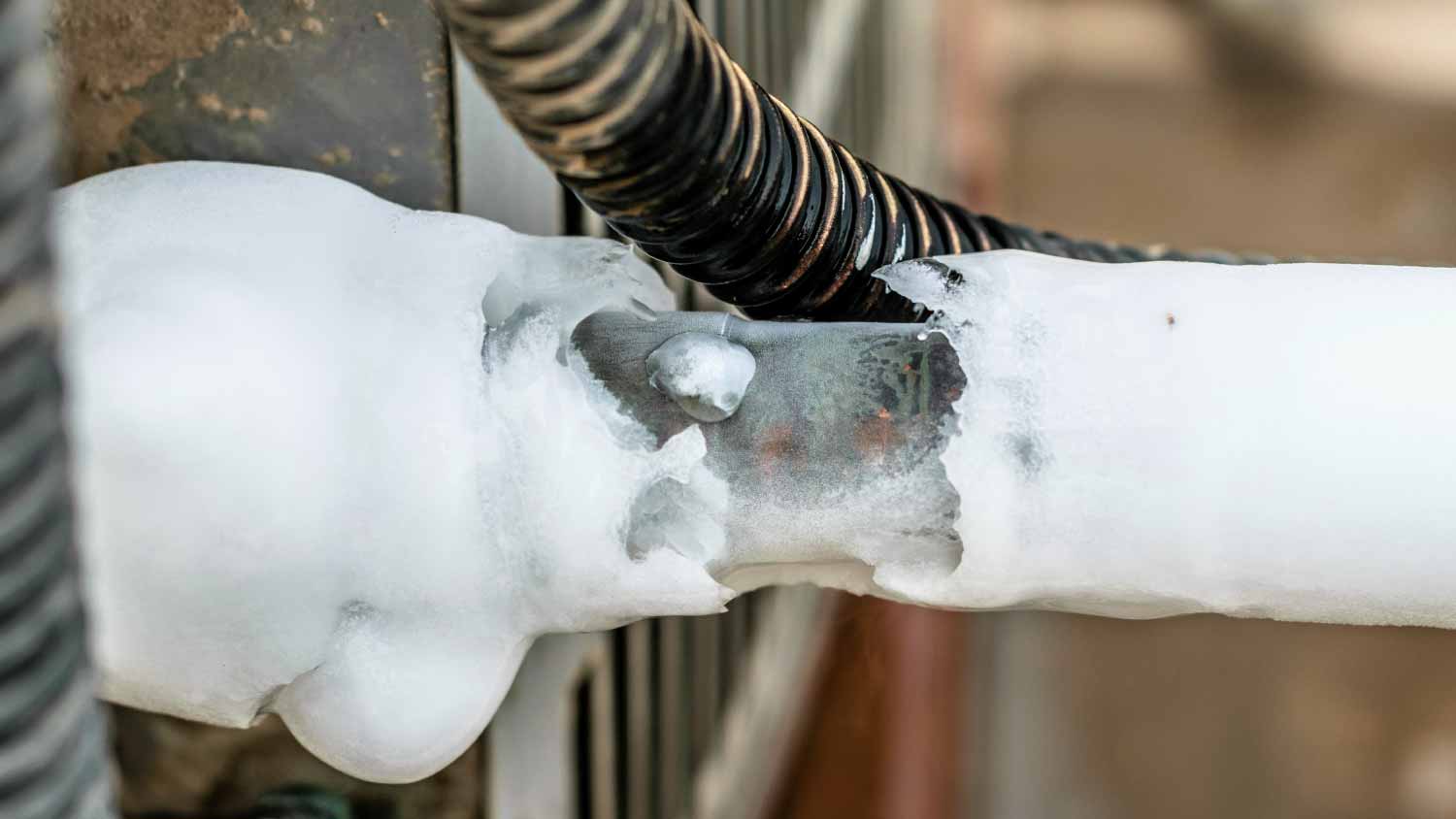
- Ice forming on the evaporator coil or refrigerant lines
- Warm air blowing from vents
Leaks And Their Impact
Leaks cause refrigerant to escape. This lowers the refrigerant level and stops the AC from working well. Leaks also harm the environment if left unchecked.
| Leak Location | Effect on AC |
| Evaporator coil | Ice buildup and freezing |
| Condenser coil | Reduced cooling and efficiency |
| Refrigerant line | System pressure loss and freezing |
Recharging Refrigerant Safely
Recharging refrigerant must be done carefully. Too much or too little can cause damage. A professional should check for leaks before refilling.
- Locate and fix any leaks
- Use the correct type of refrigerant
- Measure the proper amount needed
- Recharge the system slowly
- Test the AC for proper function after recharging
Improving Airflow To Prevent Freezing
Air conditioners freeze up when cold air cannot flow properly. Good airflow stops ice from building on coils. You can keep your system working well by checking parts that move air.
Fixing airflow problems is simple. It helps your air conditioner stay cold without freezing. Look at vents, ducts, and fans to keep air moving.
Clearing Air Vents
Blocked vents stop air from flowing. Dirt, dust, and furniture can cover vents. Clear vents to help air move freely. This stops cold air from freezing the system.
- Remove any objects blocking vents
- Clean dust off vent covers
- Keep vents open and unobstructed
- Check vents in every room
Inspecting Ductwork
Ducts carry air from the unit to your rooms. Leaks or holes in ducts lower airflow. This makes your air conditioner work harder and freeze up. Find and fix any duct problems fast.
| Common Duct Problems | Signs to Check |
| Leaks or holes | Cold spots, uneven cooling |
| Disconnected sections | Air blowing in wrong places |
| Crushed or bent ducts | Reduced airflow, noise |
Checking Fan Operation
The fan moves air through your system. A broken or slow fan causes poor airflow. Check if the fan spins fast and smoothly. Fix or replace the fan if it does not work well.
Signs of fan issues include:
- Strange noises from the unit
- Warm air instead of cold
- Fan not spinning at all
- System shutting off early

Credit: www.delcohvac.com
Maintaining Clean Air Filters
Air filters play a key role in keeping your air conditioner running well. Clean filters stop dirt and dust from blocking airflow.
Dirty filters cause your AC to freeze up. Regular care of filters helps avoid this issue and keeps your home comfortable.
When To Replace Filters
Replace air filters every 1 to 3 months. If you have pets or live in a dusty area, change them more often.
- Check filters monthly for dirt build-up.
- Replace filters if they look clogged or torn.
- Follow your AC manufacturer’s guide for filter replacement.
Choosing The Right Filter
Select filters that fit your AC unit size. Use filters with the right MERV rating for good air cleaning without blocking airflow.
| Filter Type | Description | Best Use |
| Fiberglass | Basic filter, low cost | Low dust areas |
| Pleated | Higher filtration, traps small particles | Homes with pets or allergies |
| HEPA | High efficiency, blocks most particles | High allergy sensitivity |
Effects Of Dirty Filters On Ac Performance
Dirty filters reduce airflow. This makes your AC work harder and can cause the coils to freeze.
- Lower cooling efficiency
- Increased energy use
- Higher risk of system breakdown
- Unhealthy indoor air quality
Thermostat Settings And Freezing
Your air conditioner can freeze up if the thermostat settings are wrong. The thermostat controls when the AC turns on and off.
Setting the thermostat too low or having a bad calibration can cause ice to form on the coils. This freezing stops the AC from working well.
Ideal Temperature Settings
Set your thermostat to a comfortable temperature to prevent freezing. Usually, 75 to 78 degrees Fahrenheit works well for cooling.
Too cold settings make the AC run longer. This causes the coils to get too cold and freeze up.
- Keep thermostat above 70°F
- Adjust settings gradually
- Avoid sudden big temperature drops
Calibrating Your Thermostat
If your thermostat is not accurate, it may cause the AC to freeze. Calibration makes sure the thermostat reads the right temperature.
You can check calibration by comparing the thermostat reading with a room thermometer. Adjust the thermostat if readings differ.
- Use a separate thermometer to check accuracy
- Follow the thermostat manual to recalibrate
- Replace batteries if needed
Upgrading To Smart Thermostats
Smart thermostats help control your AC better. They adjust temperature based on your schedule and weather.
These thermostats can prevent freezing by avoiding extreme temperature drops. They also send alerts if something is wrong.
- Program temperature schedules easily
- Get alerts for maintenance issues
- Control thermostat remotely with apps
Dealing With Condensate Drain Issues
Your air conditioner can freeze up if the condensate drain is blocked. This causes water to build up and freeze on the coils.
Fixing condensate drain problems helps your AC work better and stops ice buildup.
Identifying Blockages
Look for water leaks or puddles near your AC unit. These signs show the drain might be clogged.
Check if the drain pan is full or overflowing. Blockages stop water from flowing out properly.
- Water leaks near indoor unit
- Musty or moldy smells
- Slow draining or standing water
- Frozen evaporator coils
Cleaning The Drain Line
Turn off the power to your AC before cleaning the drain line. This keeps you safe during the process.
Use a wet/dry vacuum or a long brush to remove dirt and debris from the drain line. Flush it with water or a mild cleaner.
- Switch off AC power
- Attach vacuum to drain line end
- Pull out dirt and debris
- Flush line with water
- Recheck for water flow
Preventing Future Clogs
Keep your condensate drain clear by scheduling regular cleanings. Use a drain pan tablet to reduce algae growth.
Make sure the drain line slopes downward. This helps water flow out easily and stops blockages.
- Clean drain line every few months
- Use tablets to prevent algae
- Keep area around drain clean
- Check slope of drain line
Fixing Blower Fan Problems
The blower fan in your air conditioner moves air through the system. If it stops working well, your AC can freeze up. Fixing blower fan problems is key to keeping your AC running smoothly.
In this guide, we look at signs of blower fan failure, repair versus replacement, and maintenance tips. These steps help prevent your AC from freezing and keep your home cool.
Signs Of Blower Fan Failure
Knowing the signs of blower fan failure helps you act early. Watch for these problems:
- Weak or no airflow from vents
- Unusual noises like grinding or squealing
- AC freezes up frequently
- Higher electricity bills without more use
- Warm air blowing instead of cool
Repair Vs Replacement
You can often repair blower fan issues if damage is minor. Repair saves money and time. Common repairs include fixing motor bearings and cleaning fan blades.
| Condition | Recommended Action |
| Fan motor runs but is noisy | Repair motor bearings or lubricate |
| Fan blades bent or dirty | Clean or replace blades |
| Motor fails to start | Replace blower motor |
| Frequent breakdowns | Consider full replacement |
Regular Maintenance Tips
Regular maintenance keeps the blower fan working well. Follow these easy tips:
- Clean or replace air filters monthly
- Remove dust from blower blades
- Check fan motor and lubricate if needed
- Inspect electrical connections for damage
- Schedule professional checkups yearly
Credit: www.angi.com
When To Call A Professional
If your air conditioner freezes up, you might need help. Some problems are simple, but others need a skilled technician.
Knowing when to call a professional can save you time and money. It also keeps your system safe and working well.
Complex Repairs
Some air conditioner issues are too hard to fix on your own. Problems like refrigerant leaks or compressor failure need special tools.
Trying to fix these yourself can cause more damage. A professional has the knowledge to find and fix complex problems correctly.
Safety Considerations
Air conditioners use electricity and chemicals. These can be dangerous if handled wrong.
Calling a professional protects you from risks like electric shock or chemical exposure. They follow safety rules and use proper gear.
Choosing The Right Hvac Technician
Not all technicians are the same. Pick one with good experience and proper licenses.
Check reviews and ask for references. A reliable technician will do a good job and explain the problem clearly.
- Verify licenses and certifications
- Look for experience with your AC brand
- Read customer reviews online
- Ask for a written estimate before work
- Choose someone who answers your questions well
Frequently Asked Questions
Why Does My Air Conditioner Freeze Up Suddenly?
Your air conditioner freezes up due to restricted airflow or low refrigerant. Dirty filters, blocked vents, or leaks reduce airflow, causing ice buildup. Regular maintenance and filter cleaning prevent freezing issues effectively.
Can A Dirty Air Filter Cause Ac Freezing?
Yes, a dirty air filter blocks airflow, causing the evaporator coil to freeze. This reduces cooling efficiency and strains the system. Replace or clean filters monthly to avoid freezing and maintain proper cooling.
How Does Low Refrigerant Lead To Ac Freezing?
Low refrigerant lowers pressure in the evaporator coil, causing it to become too cold. This results in ice formation on the coil and frozen pipes. A professional should check and refill refrigerant levels regularly.
Is A Frozen Ac A Sign Of Mechanical Problems?
Yes, a frozen AC may indicate mechanical issues like a faulty blower fan or blocked condensate drain. These problems disrupt airflow or drainage, causing ice buildup. Timely repairs prevent further damage and restore cooling.
Conclusion
An air conditioner freezing up can be frustrating. Regular maintenance helps prevent issues. Check filters and vents frequently. Clean them to ensure proper airflow. Monitor refrigerant levels carefully. Address any leaks immediately. Avoid setting the thermostat too low. This can cause freezing.
Keep the area around the unit clean. Remove any debris or obstructions. Call a professional if problems persist. They can diagnose and fix the issue. Remember, a well-maintained unit works efficiently. Enjoy cool air without worry. Stay cool and comfortable.