
Have you ever noticed water pooling around your air conditioner and wondered, “Why does my air conditioner keep filling up with water?” This common problem can cause frustration and even damage if left unchecked. But don’t worry—you’re not alone, and understanding the reasons behind this issue can save you time, money, and stress.
You’ll discover the main causes of water buildup in your AC and simple steps you can take to fix it before it turns into a bigger headache. Keep reading to protect your home and keep your air conditioner running smoothly.
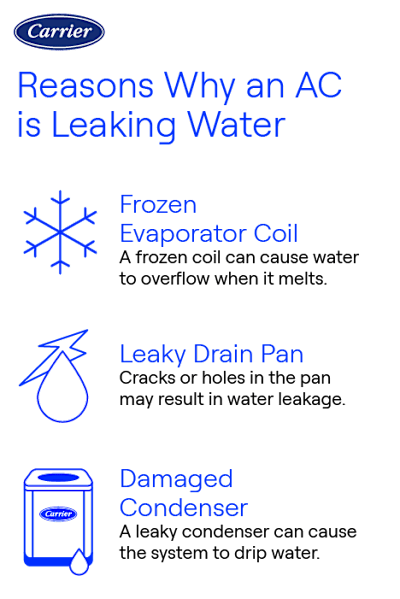
Credit: www.carrier.com
Common Reasons For Water Buildup
Water buildup inside an air conditioner is a common issue. It can cause damage and reduce cooling efficiency.
Understanding why your air conditioner fills with water helps you fix the problem quickly. Here are common reasons for water buildup.
Clogged Drain Line
The drain line removes water from your air conditioner. Dirt and debris can block this line.
A clogged drain line stops water from draining properly. Water then builds up inside the unit.
- Dirt and dust block the drain pipe
- Mold or algae growth causes clogs
- Leaves or small debris can clog outdoor drains
Frozen Evaporator Coils
Evaporator coils cool the air inside your home. If they freeze, they create excess water when they thaw.
Freezing happens when air flow is low or refrigerant is low. The ice melts and fills the drain pan with water.
- Dirty air filters reduce airflow
- Low refrigerant causes coil freezing
- Thermostat set too low can freeze coils
Improper Installation
Incorrect installation can cause water to collect inside the unit. The drain pan or pipes may not be level.
If the drain line is not sloped right, water cannot flow out. This leads to water buildup and leaks.
- Drain pan not tilted correctly
- Drain pipe connected wrong or blocked
- Unit placed in a spot with poor drainage
Low Refrigerant Levels
Refrigerant cools the air in your AC. Low refrigerant causes the coils to get too cold and freeze.
When the ice melts, water builds up inside the unit. Low refrigerant also lowers cooling performance.
- Leaks cause refrigerant loss
- Low refrigerant leads to coil freezing
- Freezing creates excess water when thawing

Credit: www.youtube.com
Effects Of Water Accumulation
Water buildup inside an air conditioner can cause many problems. It can affect how well your unit works and cause damage over time.
Understanding these effects helps you take better care of your air conditioner. It also helps you know when to call for repairs.
Damage To Air Conditioner Components
Water inside the air conditioner can harm important parts. It can cause rust and corrosion on metal components.
Electrical parts may also get damaged if they come in contact with water. This can lead to short circuits or failure.
- Rust on coils and pipes
- Corrosion of metal parts
- Damage to electrical wiring
- Short circuits in controls
Mold And Mildew Growth
Water buildup creates a damp environment inside the air conditioner. This moisture encourages mold and mildew to grow.
Mold can spread inside the unit and into your home. It can cause bad smells and affect your health.
- Musty odors from mold growth
- Health problems like allergies
- Unclean air circulation
- Damage to air filters
Reduced Cooling Efficiency
Water buildup can block airflow and reduce the cooling power of your air conditioner. This makes your home less comfortable.
The unit has to work harder to cool your space. This increases energy use and can raise your utility bills.
- Clogged drains and filters
- Blocked airflow paths
- Higher energy consumption
- Longer cooling times
How To Identify Water Issues
Your air conditioner may fill up with water due to several problems. Knowing the signs helps you fix them early.
Check your AC regularly to spot water issues. This guide shows you what to look for.
Signs Of Drain Line Blockage
A blocked drain line stops water from draining. This causes water to back up inside your AC unit.
- Water leaks near the indoor unit
- Unusual musty smells from the vents
- Water dripping or pooling around the AC
- Reduced cooling performance
Detecting Frozen Coils
Frozen coils block airflow and cause water buildup when they thaw. Look for ice on the coils or pipes.
| Symptom | What to Check |
| Ice on coils | Check for blocked airflow or low refrigerant |
| Water puddles under unit | Ice melting and dripping |
| Cold air weak or absent | Frozen coil restricting airflow |
Checking For Leaks And Water Puddles
Leaks and puddles show water is escaping from the unit. Check all around the indoor and outdoor parts.
- Drain pan under the evaporator coil
- Drain line connections
- Refrigerant line fittings
- Condensate pump (if installed)
Simple Fixes For Water Problems
Your air conditioner may fill with water due to common issues. These problems are easy to fix with some basic checks.
Fixing water buildup helps your AC work better and last longer. Below are simple solutions to try.
Clearing The Drain Line
The drain line can get clogged with dirt and algae. This stops water from draining out properly.
Use a wet/dry vacuum or a pipe cleaner to clear the blockage. Regular cleaning prevents water buildup.
- Turn off the AC unit before cleaning
- Find the drain line access point
- Use a vacuum to remove blockages
- Flush with water to clear residue
Thawing Frozen Coils
Frozen coils block water flow and cause leaks. Ice forms when the AC runs too cold or low on refrigerant.
Turn off the AC and let the ice melt. Check coils for dirt, which can cause freezing.
- Switch off the AC to thaw ice
- Clean dirty coils carefully
- Run the AC at a higher temperature
- Check for airflow issues
Adjusting Installation
Improper installation can cause water to collect inside the unit. The AC should be level to drain water properly.
Check the unit’s position and adjust the base if needed. Make sure drain pans and pipes slope downward.
- Use a level tool to check the AC
- Raise or lower the unit slightly
- Ensure drain pans slope to the drain line
- Secure pipes to avoid water traps
Recharging Refrigerant
Low refrigerant causes coils to freeze and water to build up. Recharging restores proper cooling and drainage.
Call a professional to check refrigerant levels and refill if needed. Do not try to add refrigerant yourself.
Preventive Measures To Avoid Water Buildup
Water buildup in air conditioners can cause damage and reduce efficiency. Preventing this issue helps your AC work better and last longer.
Simple steps and regular care can stop water from filling up inside the unit. Understanding how to keep your AC dry is important.
Regular Maintenance Tips
Cleaning and checking your AC often stops water problems. Dirt and dust can block drainage and cause water to build up.
Replace or clean filters every few months. Check the drain pan and pipes for clogs or leaks.
- Clean or replace air filters regularly
- Clear drain pans of dirt and debris
- Inspect and clean drain lines to avoid clogs
- Check for mold or algae growth in drainage areas
Proper Installation Practices
Correct installation helps prevent water buildup. The AC unit must be level to allow water to drain out properly.
Ensure that drain pipes are installed with a slight downward slope. Use the right size pipes to avoid water pooling inside.
- Install the unit on a level surface
- Use drain pipes with a downward angle
- Fit drain pipes that match the AC’s specifications
- Seal all connections to stop water leaks
Monitoring System Performance
Watch your air conditioner’s performance to catch water issues early. Listen for unusual sounds or notice if the unit leaks water.
Check the system during hot days when it runs most. Use a flashlight to inspect the drain pan and pipes for water buildup.
- Look for water leaks around the unit
- Listen for strange noises during operation
- Check the drain pan regularly with a flashlight
- Call a technician if you see water pooling or dripping
When To Call A Professional
If your air conditioner keeps filling up with water, it may have a problem. Some issues are easy to fix, but others need a pro.
Knowing when to call a professional helps you avoid damage and saves money in the long run.
Complex Repairs
Some AC problems need special tools and skills to fix. Complex repairs include fixing leaks, electrical issues, and blocked drains.
Trying to fix these yourself can make the problem worse. A professional can find the cause and repair it safely.
Refrigerant Handling
Refrigerant is a chemical that cools your home. It must be handled carefully by trained technicians.
If the AC leaks refrigerant or needs a refill, call a pro. Handling refrigerant yourself is illegal and dangerous.
System Replacement Considerations
Sometimes an old or damaged AC system causes water buildup. Replacing the system might be the best choice.
A professional can check your system and tell you if you need a new unit. They can help you pick the right size and type.
- Age of the current system
- Frequency of repairs
- Energy efficiency of new units
- Cost of repair versus replacement

Credit: www.youtube.com
Frequently Asked Questions
Why Is My Air Conditioner Collecting Excess Water?
Excess water forms due to clogged drain lines or dirty filters. These block proper drainage, causing water buildup inside the unit. Regular maintenance prevents this issue by ensuring smooth water flow and clean components.
How Can A Clogged Drain Line Cause Water Buildup?
A clogged drain line blocks condensation drainage. This leads to water pooling inside the air conditioner. Clearing the drain line regularly stops water overflow and protects your AC from damage.
Can Dirty Air Filters Lead To Water Filling Issues?
Yes, dirty filters reduce airflow, causing coils to freeze. When the ice melts, excess water accumulates inside the unit. Cleaning or replacing filters frequently prevents this problem and keeps your AC efficient.
What Role Does Humidity Play In Ac Water Accumulation?
High humidity increases condensation inside the air conditioner. This can overwhelm the drainage system, causing water to fill up. Using a dehumidifier and proper ventilation helps reduce moisture and water issues.
Conclusion
Regular maintenance prevents air conditioner water issues. Check filters and drains often. Clean them to ensure smooth operation. Monitor your unit for unusual behavior. Quick fixes save bigger problems later. Understand common causes like blocked drains or low refrigerant. Simple knowledge helps tackle these issues.
Keep your home comfortable and cool. A reliable air conditioner enhances your space. Ensure its efficiency with these easy steps. Stay cool, save on repairs, and enjoy peace of mind.