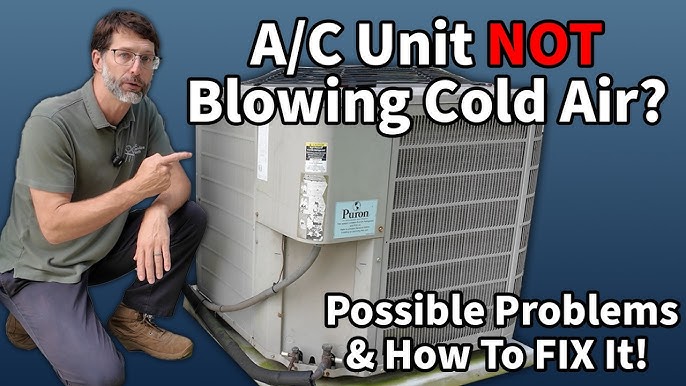
Is your air conditioner running but not blowing cold air? It’s frustrating when you expect cool relief, but all you get is warm or stale air.
You might wonder if it’s broken or if there’s an easy fix you can try yourself. Don’t worry—you’re not alone, and this problem is more common than you think. Understanding why your AC isn’t cooling properly can save you time, money, and discomfort.
Keep reading to discover the simple reasons behind this issue and how you can get your air conditioner back to blowing cold air fast.

Credit: www.youtube.com
Common Causes Of Warm Air
Sometimes your air conditioner blows warm air instead of cold. This can make your home uncomfortable. There are several common reasons for this problem.
Knowing these causes helps you fix the issue or tell a technician what is wrong. Let’s look at the most common reasons why your AC might not cool properly.
Dirty Air Filters
Dirty air filters block airflow. When air cannot move well, the AC cannot cool your home effectively.
Clogged filters make the system work harder and reduce cooling power. Clean or replace filters every month or as needed.
Refrigerant Leaks
Refrigerant is the fluid that cools the air in your AC. A leak lowers the refrigerant level and stops proper cooling.
Leaks can cause the system to blow warm air. A certified technician can find and fix leaks safely.
Faulty Compressor
The compressor moves refrigerant through the AC system. If it breaks, the system cannot cool the air.
A damaged compressor may cause the AC to blow warm air or stop working completely. It usually needs professional repair or replacement.
Thermostat Issues
The thermostat controls the AC temperature. If it is set wrong or broken, the AC might not cool properly.
Check the thermostat settings and batteries. Replace the thermostat if it does not work correctly.
Checking Airflow Problems
When your air conditioner does not blow cold air, the airflow might be the issue. Checking the airflow can help find the cause. Two common problems are blocked vents and ducts, and fan motor malfunctions.
These issues stop the air from moving correctly. Fixing them can make your air conditioner work better and cool your home properly.
Blocked Vents And Ducts
Blocked vents and ducts stop air from flowing freely. Dust, dirt, or furniture can block vents. Ducts may get crushed or clogged.
- Check all vents to make sure nothing covers them.
- Clean vents from dust and debris regularly.
- Inspect ducts for bends or damage.
- Call a professional if ducts look crushed or clogged deep inside.
Fan Motor Malfunctions
The fan motor moves air through the system. If it fails, air does not flow well. This can cause warm air to blow instead of cold.
| Signs of Fan Motor Problems | What to Do |
| Strange noises from the fan | Check for loose parts or worn bearings |
| Airflow is weak or stops | Test the fan motor or replace if needed |
| Fan does not start | Inspect electrical connections or motor |
Electrical And Wiring Concerns
When your air conditioner does not blow cold air, electrical issues might be the cause. Problems with wiring or circuit breakers can stop the unit from working properly.
Checking these electrical parts early can save you time and money on repairs. Let’s look at common electrical problems that affect air conditioners.
Tripped Circuit Breakers
Circuit breakers protect your home from electrical overload. If the breaker for your air conditioner trips, it cuts power to the unit. This stops the compressor and fan from working, so no cold air is produced.
- Overloaded circuits can trip breakers.
- Short circuits inside the air conditioner may cause trips.
- Old or faulty breakers might trip easily.
- Power surges can also trigger breaker trips.
Check your breaker box for any switches that are off or in the middle position. Resetting the breaker may solve the issue, but frequent trips mean you need an electrician.
Damaged Wiring
Wiring damage can stop power from reaching your air conditioner. Wires can wear out, break, or get loose over time. This can cause the unit to lose power or work poorly.
| Type of Wiring Problem | Possible Effect on AC |
| Frayed wires | Intermittent power loss |
| Loose connections | Unit may not start |
| Corroded wires | Reduced efficiency |
| Short circuits | Breaker trips or no cooling |
If you suspect wiring damage, avoid using the air conditioner. Call a licensed electrician to inspect and fix the wiring safely.
Diy Fixes To Try
If your air conditioner is not blowing cold air, you can try some simple fixes yourself. These solutions often solve common problems without needing a repair service.
Start by checking the basic parts of your AC. Cleaning, resetting, or removing blockages can help it cool better again.
Cleaning Or Replacing Filters
Dirty filters block airflow and reduce cooling. Clean or replace your filters every 1-3 months. This helps the AC blow cold air again.
Use a vacuum or wash reusable filters with water. Let them dry fully before putting them back.
- Turn off the AC before removing filters
- Check for dust, dirt, or mold
- Clean or replace filters as needed
- Put filters back correctly
Resetting The Thermostat
The thermostat controls your AC’s temperature settings. Sometimes it needs a reset to work right. This can fix problems with cooling.
Turn off your AC, remove the thermostat batteries if it has any, wait for a minute, then put the batteries back and turn on the AC.
- Switch off the AC unit
- Remove thermostat batteries carefully
- Wait 60 seconds before reinserting batteries
- Turn the AC back on and set your desired temperature
Clearing Obstructions
Blockages around your AC unit stop air from flowing. Remove leaves, debris, or dirt from the outside unit and vents inside your home.
Clear space around the unit to help it work better and cool your home properly.
- Turn off the AC before cleaning
- Remove leaves and debris from outside unit
- Check and clear indoor vents and registers
- Keep at least 2 feet of space around the unit
When To Call A Professional
If your air conditioner does not blow cold air, you might need expert help. Some problems are hard to fix alone.
Knowing when to call a professional can save time and prevent damage. Experts have tools and skills for tough repairs.
Handling Refrigerant Issues
Refrigerant is key for cooling your air conditioner. Low or leaking refrigerant stops cold air from coming out.
Only trained technicians should handle refrigerant. They can find leaks and refill it safely.
- Refrigerant leaks need special tools to detect
- Improper handling can harm the environment
- Refilling requires precise measurements
Compressor Repairs
The compressor helps move refrigerant in the air conditioner. If it breaks, cooling stops completely.
Compressor repair is complex and requires experience. A professional can test and replace parts safely.
- Testing compressor pressure and electrical parts
- Replacing damaged or worn-out compressor parts
- Ensuring proper system function after repair
Electrical Safety
Air conditioners use electricity and can be dangerous. Faulty wiring can cause shocks or fires.
Only professionals should handle electrical repairs. They follow safety rules and use the right tools.
- Checking wires and connections for damage
- Replacing faulty switches or capacitors
- Testing for electrical shorts or overloads

Credit: www.delcohvac.com
Preventive Maintenance Tips
Keeping your air conditioner in good shape helps it blow cold air efficiently. Preventive care stops many common problems.
Regular checks and cleaning improve cooling and save energy. Here are key tips to maintain your AC unit well.
Regular Filter Changes
Changing the air filter often keeps the air clean and the system running smoothly. A dirty filter blocks airflow and reduces cooling.
- Check the filter every month during heavy use.
- Replace or clean filters at least every three months.
- Use the filter type recommended by your AC manufacturer.
Seasonal Inspections
Have a professional inspect your air conditioner each season. They check for leaks, refrigerant levels, and worn parts.
| Inspection Item | Why It Matters |
| Refrigerant Level | Low levels cause poor cooling |
| Electrical Connections | Loose wires can stop the system |
| Coils Cleaning | Dirt reduces heat transfer |
| Drain Lines | Blockage causes water damage |
Keeping Outdoor Units Clear
Clear space around outdoor units to help airflow. Leaves, dirt, and plants can block air and reduce cooling power.
Follow these tips to keep the outdoor unit clean:
- Remove leaves and debris near the unit weekly.
- Trim plants and grass to keep at least 2 feet of clearance.
- Wash the unit’s fins gently with a hose every few months.

Credit: www.youtube.com
Frequently Asked Questions
Why Is My Air Conditioner Not Cooling The Room?
Your AC may have a dirty filter, low refrigerant, or a blocked condenser. Check these first for proper cooling.
Can A Frozen Coil Cause No Cold Air?
Yes, a frozen evaporator coil restricts airflow and stops cooling. Turn off the unit and let it thaw.
How Does Low Refrigerant Affect Ac Cooling?
Low refrigerant reduces the AC’s ability to absorb heat, causing warm air to blow instead of cold.
Could A Faulty Thermostat Stop Cold Air?
A malfunctioning thermostat might misread temperatures, preventing the AC from cooling properly. Test or replace it if needed.
Conclusion
Fixing an air conditioner can seem tough, but it’s not impossible. Start with simple checks. Ensure the thermostat is set correctly. Clean or replace dirty filters. Check for blocked vents. Listen for unusual noises. These can signal bigger issues. If problems persist, call a professional.
Regular maintenance prevents many issues. A well-functioning air conditioner keeps your home cool. It also saves energy. This means lower bills. Remember, a little attention goes a long way. Your comfort depends on it. Stay cool and enjoy the summer months!