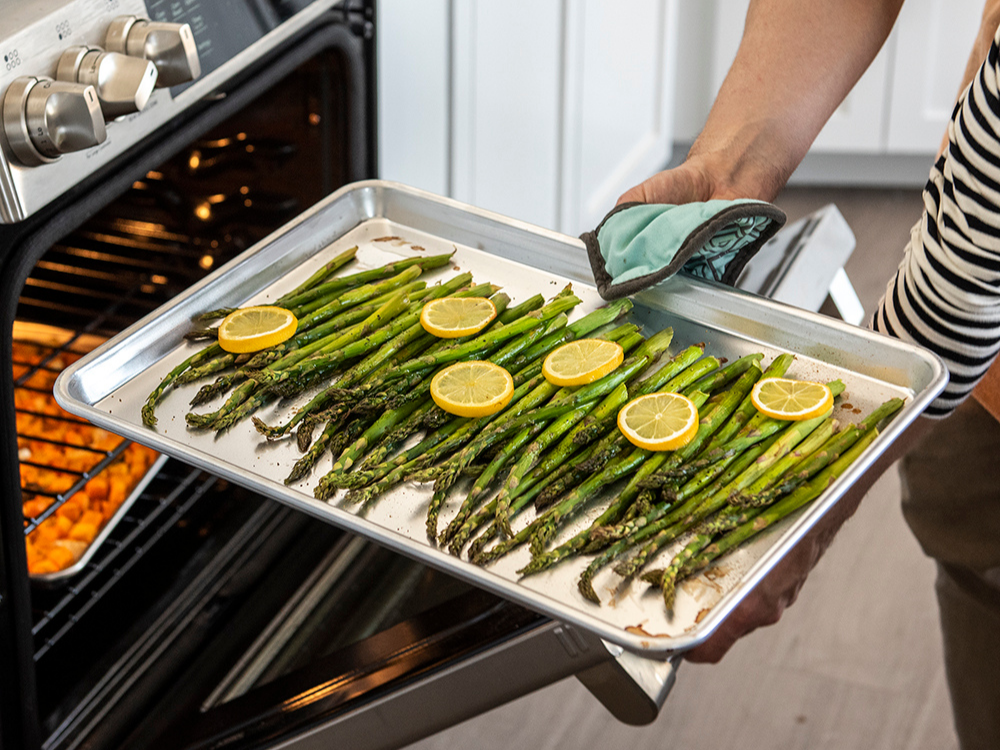
Have you ever slid your baking sheet into the oven, only to pull it out later and find it warped or bent? It’s frustrating when your perfectly prepared dough or cookies don’t bake evenly because your baking sheet has changed shape.
You might wonder, “Why does my baking sheet warp in the oven? ” Understanding the reasons behind this common problem can help you protect your kitchen tools and get better baking results every time. Keep reading to discover what causes your baking sheet to warp and how you can prevent it from happening again.
Common Causes Of Warping
Baking sheets can warp in the oven for several reasons. Warping changes the shape and makes baking uneven.
Knowing why warping happens helps you avoid damage and bake better.
Material Quality And Thickness
Thin baking sheets tend to warp more easily. Low-quality metal can bend when heated.
- Thin metal heats and cools fast, causing warps
- Cheap materials may not handle oven heat well
- Thicker sheets hold shape better during baking
Rapid Temperature Changes
Sudden hot or cold changes stress baking sheets. This stress can cause permanent warping.
For example, putting a cold sheet in a hot oven or cooling a hot sheet quickly can cause problems.
Uneven Heat Distribution
Ovens do not always heat evenly. Hot spots can make parts of the baking sheet expand more.
| Cause | Effect |
| Hot spots in oven | Uneven expansion |
| Thin metal | Bends at hotter areas |
| Overcrowded oven | Blocks air flow, causing uneven heat |
Manufacturing Defects
Some baking sheets have defects from the factory. These defects weaken the metal.
Common defects include:
- Uneven thickness
- Weak spots in metal
- Poorly joined seams
Defects make warping more likely during use.
How Warping Affects Baking
When a baking sheet warps in the oven, it changes shape. This can make baking uneven and cause problems with your food.
Warping happens because of quick temperature changes or low-quality materials. Understanding its effects helps you bake better.
Impact On Cooking Performance
A warped baking sheet does not heat evenly. Some parts get hotter, while others stay cooler. This leads to uneven cooking.
Food on a warped sheet may burn in some spots and stay undercooked in others. It also affects how your food spreads or rises.
- Uneven heat causes inconsistent baking results
- Some areas of food can burn or cook too fast
- Other areas may stay raw or soggy
- Cookies or bread may bake with odd shapes
Safety Concerns
Warped baking sheets can be unstable in the oven. They might slide or tilt, causing hot food to spill.
Using a warped sheet increases the risk of burns or accidents in the kitchen. It may also damage your oven racks.
- Risk of hot food spilling from uneven surfaces
- Possible burns from handling unstable trays
- Damage to oven racks from bent metal
- More difficult to place and remove safely
Preventing Warping
Warping happens when baking sheets bend or twist in the oven. It can change how your food cooks.
Using the right methods can keep your baking sheet flat and working well for a long time.
Choosing The Right Baking Sheet
Select baking sheets made from heavy-gauge metal. Thicker metal handles heat better and resists warping.
- Look for aluminum or stainless steel sheets
- Avoid thin or cheap metal pans
- Non-stick coatings should be high quality
- Consider sheets with reinforced rims for strength
Proper Oven Temperature Management
Keep your oven at the right temperature for your recipe. Too much heat can bend your baking sheet.
| Temperature Range | Effect on Baking Sheet |
| Below 450°F (230°C) | Safe for most baking sheets |
| Above 450°F (230°C) | May cause warping over time |
| Rapid temperature changes | Increase risk of warping |
Avoiding Thermal Shock
Thermal shock happens when a hot baking sheet meets cold air or water. It causes metal to bend.
- Do not put a hot sheet on a cold surface
- Wait before washing your baking sheet after use
- Let the sheet cool down in the oven or on a warm surface
Regular Maintenance Tips
Taking care of your baking sheet helps prevent warping and extends its life.
- Clean your sheet gently with warm soapy water
- Avoid harsh scrubbers that can damage the surface
- Store baking sheets flat or hang them carefully
- Check for dents or warps before use

Credit: www.yahoo.com
Fixing A Warped Baking Sheet
A baking sheet can warp when it heats unevenly in the oven. This warping makes it hard to bake food evenly. You can try to fix it before buying a new one.
Fixing a warped baking sheet can save money and reduce waste. There are simple ways to flatten it at home.
Diy Flattening Techniques
Start by heating the warped baking sheet in the oven at a low temperature. This softens the metal and makes it easier to reshape.
Once warm, place the baking sheet on a flat, sturdy surface. Use a heavy object to press down on the warped areas. Let it cool while pressed to keep the shape.
- Heat oven to about 200°F (93°C).
- Warm the baking sheet for 5–10 minutes.
- Place it on a flat surface like a countertop.
- Press down with a heavy pan or book.
- Let it cool completely before use.
When To Replace Your Baking Sheet
Some warps cannot be fixed easily. If your baking sheet is too bent, it may not heat food evenly.
Replace your baking sheet if it has deep warps, rust spots, or cracks. These problems affect cooking and safety.
- Warp is so severe food slides off.
- Rust covers large areas of the sheet.
- Sheet has cracks or holes.
- Non-stick coating peels off.
Best Baking Sheets To Avoid Warping
Baking sheets often warp because of uneven heating or poor materials. Warping makes it hard to bake food evenly.
Choosing the right baking sheet helps stop warping in your oven. Good materials and brands last longer.
Recommended Materials
Thick metal sheets resist warping better than thin ones. Look for heavy gauge materials for strength.
Aluminum and stainless steel are common materials. Aluminum heats quickly but warps if too thin.
- Heavy gauge aluminum heats well and resists warping
- Stainless steel lasts long and stays flat under heat
- Carbon steel combines strength with fast heating
- Nonstick coatings do not prevent warping but make cleaning easier
Top Brands And Models
Some brands make baking sheets that keep their shape after many uses. These sheets use better metals and designs.
Look for brands with thick metal and reinforced edges. These features help prevent warping during high heat baking.
- Brand A: Heavy gauge aluminum, reinforced edges, and nonstick finish
- Brand B: Stainless steel with thick construction and easy cleaning
- Brand C: Carbon steel sheets with durable coating and flat design
- Brand D: Multi-layer metal sheets for even heat and no warping
Credit: www.nordicware.com

Credit: www.msn.com
Frequently Asked Questions
Why Do Baking Sheets Warp In Heat?
Baking sheets warp due to uneven heat distribution. When exposed to high temperatures, metal expands. If the sheet doesn’t expand uniformly, it bends or warps. Thicker, heavier sheets are less prone to warping. Ensuring even heat distribution and preheating the oven can minimize this effect.
Can Warped Baking Sheets Affect Baking Results?
Yes, warped baking sheets can lead to uneven baking. They can cause cookies or other baked goods to cook unevenly. Warping may result in burnt edges or undercooked centers. Using a sturdy, high-quality baking sheet can help ensure consistent baking results.
How Can I Prevent Baking Sheets From Warping?
To prevent warping, use heavy-duty baking sheets. Preheat your oven and avoid sudden temperature changes. Consider using parchment paper or silicone mats to distribute heat evenly. Avoid washing hot sheets with cold water immediately after use, as this can cause warping.
Are Certain Baking Sheet Materials Better?
Yes, materials like aluminized steel are more resistant to warping. Heavy-gauge stainless steel and carbon steel are also good options. These materials distribute heat evenly and are less likely to warp. Investing in high-quality materials can improve your baking experience.
Conclusion
Baking sheets warp because of fast temperature changes or low-quality metal. Warping affects cooking by making food cook unevenly. To avoid warping, use heavy-duty sheets and preheat the oven properly. Avoid putting cold sheets in a hot oven. Taking care of your baking sheet helps it last longer.
Now you understand why warping happens and how to stop it. Keep these tips in mind for better baking results. Enjoy cooking without worrying about your baking sheet bending.