Have you ever noticed your car’s temperature gauge rising the moment you stop at a red light or in heavy traffic? It’s a frustrating and worrying experience.
You might wonder, “Why does my car overheat when I stop? ” Understanding this issue is crucial because ignoring it can lead to serious engine damage and costly repairs. You’ll discover the common reasons behind this problem and simple steps you can take to keep your car running cool, even when you’re stuck in traffic.
Keep reading to protect your vehicle and save yourself from unexpected breakdowns.

Credit: www.carparts.com
Engine Cooling Basics
Understanding the basics of engine cooling helps explain why a car overheats when stopped. The engine creates heat as it runs. Too much heat can cause damage. The cooling system keeps the engine at a safe temperature. It moves heat away from the engine to prevent overheating.
How Cooling Systems Work
The cooling system uses coolant, a special liquid that absorbs heat. The coolant flows through the engine, picking up heat. It then moves to the radiator, where the heat escapes. A thermostat controls coolant flow. It opens when the engine is hot and closes when cold. This keeps the engine temperature steady.
Role Of Radiator And Fans
The radiator acts like a heat exchanger. It transfers heat from the coolant to the air outside. When the car moves, air flows through the radiator and cools the liquid. At a stop, less air flows, so fans turn on. Fans pull air through the radiator to help cool the coolant. Without fans, the engine would quickly overheat at low speeds or while stopped.

Credit: www.carparts.com
Common Causes Of Overheating At Stop
Overheating at a stop often happens due to poor airflow in the radiator or a failing cooling fan. Low coolant levels or a clogged radiator can also cause the engine to get too hot quickly.
When you’re driving, your car usually maintains a steady temperature. But have you ever noticed that it begins to overheat when you’re at a stop? This can be frustrating and even alarming. Understanding the common causes can help you address the issue effectively and keep your car running smoothly.Coolant Level Issues
Low coolant levels are a frequent culprit when it comes to overheating. Without enough coolant, your engine can’t dissipate heat effectively. Check your coolant levels regularly and top it off if needed to avoid unnecessary engine stress.Radiator Blockages
Radiator blockages can severely impede your car’s cooling system. Dirt, debris, and rust can build up over time, restricting the flow of coolant. Keeping your radiator clean can help maintain optimal performance and prevent overheating at a stop.Thermostat Failures
A malfunctioning thermostat can cause erratic engine temperatures. If it fails to open, coolant won’t circulate properly, leading to overheating. Replacing a faulty thermostat is a simple fix that can save you from more serious engine trouble.Water Pump Problems
The water pump is crucial for circulating coolant throughout the engine. If it fails, your engine can overheat quickly. Listen for unusual noises or leaks which might indicate a failing water pump. Addressing these issues promptly can prevent further damage. Have you experienced any of these issues with your car? Identifying the root cause can save you time and money. Regular maintenance checks are your best defense against unexpected breakdowns.Impact Of Traffic And Weather
Traffic and weather greatly affect a car’s cooling system. Both create conditions that can cause the engine to overheat. Understanding these factors helps prevent damage and keeps the car running smoothly.
Effects Of Idling In Traffic
When a car idles, the engine runs but the vehicle does not move. This stops air from flowing through the radiator. The radiator needs air to cool the engine’s heat.
Without enough airflow, heat builds up quickly. The cooling fan tries to help but may not keep up. Long waits in traffic raise engine temperature fast.
Idling also means the engine works harder to keep running. This produces more heat. If the cooling system has any weakness, overheating happens sooner.
Hot Weather Challenges
High temperatures make cooling harder for any car. The outside heat adds to the engine’s heat. The cooling system must work extra hard to keep the engine safe.
Hot weather can cause coolant to evaporate faster. Low coolant levels reduce the system’s ability to cool. The engine temperature rises quickly without enough coolant.
Heat can also stress hoses and belts. These parts may fail and cause leaks or loss of cooling power. Cars are more likely to overheat on very hot days.
Credit: www.chase.com
Signs Of Cooling System Failure
Recognizing the signs of cooling system failure helps prevent serious engine damage. The cooling system keeps your car from getting too hot. When it fails, your engine temperature rises quickly. Early signs often show before complete breakdown. Pay attention to changes in your car’s behavior and appearance.
Warning Lights And Indicators
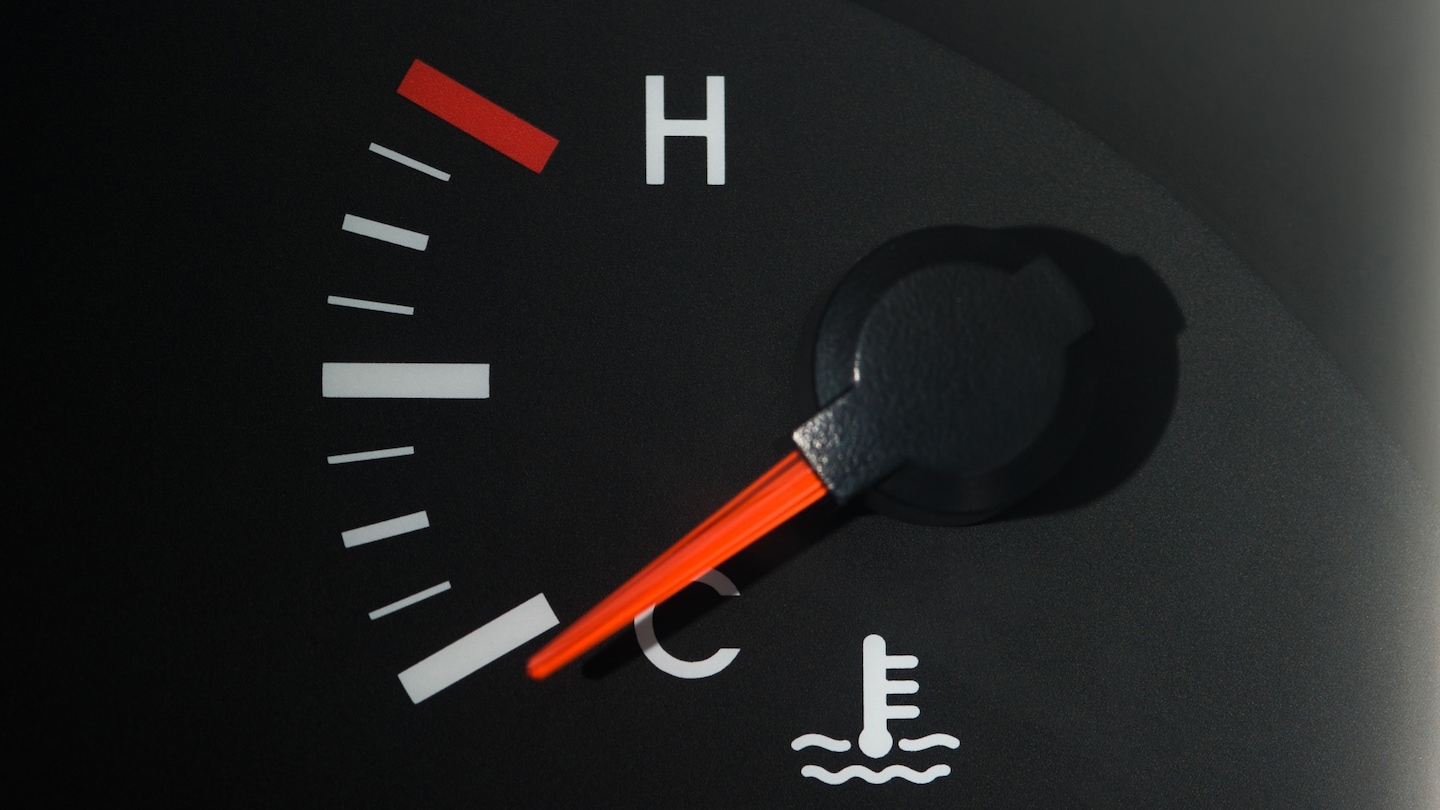
The dashboard shows warning lights when the cooling system struggles. The temperature gauge may rise into the red zone. A glowing thermometer icon or “Check Engine” light might appear. These alerts mean the engine is overheating or coolant levels are low. Ignoring these signs can lead to engine damage.
Steam And Unusual Smells
Steam coming from under the hood signals a cooling system problem. It usually appears when the car stops and cools down. A sweet smell often means coolant is leaking. A burning odor can indicate overheating parts. These signs require immediate attention to avoid costly repairs.
Maintenance Tips To Prevent Overheating
Preventing your car from overheating when you stop starts with simple, regular maintenance. Paying attention to key components can save you from costly repairs and unexpected breakdowns. Let’s look at some practical tips you can apply today to keep your engine cool and running smoothly.
Regular Coolant Checks
Coolant plays a crucial role in regulating your engine’s temperature. Make it a habit to check the coolant level every few weeks, especially before long drives. Low coolant can cause overheating quickly, so topping it up with the right mix of water and antifreeze is essential.
Check for leaks around hoses and the radiator cap, too. A drop in coolant might mean a hidden leak that needs fixing. Have you noticed any puddles under your parked car? That could be a red flag worth investigating.
Radiator Cleaning
Your radiator works hard to dissipate heat but can get clogged with dirt, leaves, or bugs. Cleaning the radiator fins helps air flow freely and keeps the cooling system efficient. Use a soft brush or compressed air to gently remove debris without damaging the fins.
Don’t forget to flush the radiator periodically to clear out old coolant and sediment buildup. This simple task can drastically improve cooling performance and prevent overheating during stop-and-go traffic.
Fan And Thermostat Inspection
The cooling fan and thermostat control airflow and coolant flow, respectively. If your fan isn’t turning on when the engine heats up, or if the thermostat sticks closed, your car can overheat as soon as you stop. Testing these parts regularly can catch problems early.
You can often hear the fan kick in or feel it blowing when the engine reaches operating temperature. If it doesn’t, or if your temperature gauge spikes suddenly, have these components checked immediately. Are you confident your fan and thermostat are working as they should?
When To See A Mechanic
Knowing when to see a mechanic is crucial if your car overheats every time you stop. Ignoring the problem can lead to more expensive repairs or even leave you stranded. Paying attention to the signs and acting quickly can save both your car and your peace of mind.
Persistent Overheating Symptoms
If your car’s temperature gauge stays in the red zone even after you start driving again, this is a clear warning sign. You might notice steam coming from under the hood or a burning smell. These symptoms don’t go away on their own and mean your cooling system needs professional attention.
Sometimes, the overheating occurs only when you stop but cools down while driving. This pattern can indicate issues like a failing radiator fan or a clogged coolant passage. If you see this happening repeatedly, it’s time to schedule a mechanic visit.
Emergency Measures
Have you ever been stuck in traffic with your engine temperature rising fast? If your car overheats suddenly, pull over safely and turn off the engine immediately. Opening the hood allows heat to escape but be careful not to touch hot engine parts.
Adding coolant can help, but only if the engine has cooled down enough to avoid burns. Using water temporarily might prevent damage until you can get to a mechanic. Remember, emergency fixes are just that—temporary solutions, not permanent fixes.
Frequently Asked Questions
Why Does My Car Overheat When Idling?
Cars rely on airflow to cool the radiator. When idling, airflow slows down. This causes heat to build up, leading to overheating.
Can A Faulty Radiator Cause Overheating At Stops?
Yes, a damaged radiator can’t properly cool the engine. This causes heat to accumulate, especially when the car is not moving.
Does A Broken Cooling Fan Cause Overheating When Stopped?
A broken cooling fan fails to push air through the radiator. This reduces cooling efficiency, causing the engine to overheat when the car is idle.
How Does Low Coolant Lead To Overheating At Idle?
Low coolant means less heat is absorbed from the engine. Without enough coolant, heat builds up quickly, especially when the car is stopped.
Conclusion
Car overheating when stopped often signals cooling system issues. Check coolant levels and radiator condition regularly. A faulty fan or blocked airflow can cause heat build-up. Keep an eye on temperature gauges while driving and parked. Address problems early to avoid costly repairs.
Staying alert helps your car run safely and smoothly. Remember, simple maintenance keeps your engine cool and reliable.