Have you ever noticed your car tires slowly losing air, even when you haven’t driven much? It’s frustrating and confusing.
You might wonder, “Why does my car tire keep losing air? ” This constant problem can affect your safety, your fuel efficiency, and even your wallet. But don’t worry—you’re not alone, and there are simple reasons behind it. Keep reading to discover why your tires lose air and what you can do to stop it for good.
Common Reasons For Air Loss
Car tires losing air is a common problem many drivers face. Understanding why this happens can help you fix it faster.
Several issues cause your tires to lose air. Some are easy to spot, while others need a closer look.
Punctures And Nail Holes
Punctures and nail holes are one of the main reasons tires lose air. Sharp objects on the road can pierce the tire surface.
- Nails, screws, or glass pieces can cause small holes.
- Slow leaks happen when the hole is tiny.
- Air escapes gradually, making the tire flat over time.
Valve Stem Issues
The valve stem controls air flow into and out of the tire. If it is damaged or old, it can leak air.
- Cracks or breaks in the valve stem cause leaks.
- Loose valve caps let dirt in and damage the valve.
- Replacing a valve stem is a quick fix for leaks here.
Rim Damage
Damaged rims can cause air loss by creating gaps between the tire and wheel. This gap lets air escape.
| Type of Rim Damage | Effect on Tire |
| Bent Rim | Uneven seal causing slow leaks |
| Corrosion | Weak spots where air escapes |
| Cracked Rim | Rapid air loss and unsafe driving |
Bead Leaks
The bead is the edge of the tire that sits on the rim. If it does not seal well, air can leak out.
Bead leaks often happen after tire changes or damage to the rim or tire edge.
Temperature Fluctuations
Air pressure changes with temperature. Cold weather shrinks air, lowering tire pressure.
- Pressure drops about 1 psi for every 10°F drop in temperature.
- Hot weather can increase pressure, risking tire damage.
- Check tire pressure more often in changing seasons.

Credit: www.reddit.com
Signs Your Tire Is Losing Air
Car tires can lose air for many reasons. It is important to notice the signs early.
Recognizing these signs helps you stay safe on the road and avoid tire damage.
Visible Deflation
You can often see when a tire is losing air. The tire looks flat or less round than normal.
A deflated tire may bulge at the bottom where it touches the ground. It may also look uneven.
Frequent Pressure Checks
If you check your tire pressure often, it may mean air is escaping. Tires should hold pressure for weeks.
When pressure drops quickly, there might be a small hole or leak in the tire or valve.
Uneven Tire Wear
Tires losing air can wear out unevenly. One side may be more worn down than the other.
Uneven wear happens because the tire is not fully inflated and does not roll properly.
Warning Lights On Dashboard
Modern cars have warning lights for tire pressure. A light shaped like a tire may turn on.
This light means one or more tires have low air pressure and need checking soon.
How To Check For Leaks
Car tires lose air for many reasons. Finding leaks early helps keep your tires safe and working well.
There are simple ways to check for leaks at home. You can also use tools for better results.
Soap And Water Method
This method uses soap and water to spot leaks. Bubbles will form where air escapes from the tire.
Mix soap with water in a spray bottle or bowl. Spray or apply it on the tire and valve stem.
- Look closely for bubbles on the tire surface
- Bubbles show the exact spot of the leak
- Check around the rim and valve area carefully
Using A Tire Pressure Gauge
A tire pressure gauge measures the air pressure inside the tire. You can spot leaks by watching pressure drop.
First, check the tire pressure when the tire is cold. Write down the number and check again after a few hours.
- If pressure drops significantly, there is likely a leak
- Repeat the test after fixing any found leaks
- Use a digital or manual gauge for best results
Professional Leak Detection Tools
Professionals use special tools to find tire leaks. These tools detect very small leaks that are hard to see.
Common tools include electronic leak detectors and pressure testing machines. These tools give quick and accurate results.
- Electronic detectors sense escaping air sounds
- Pressure testers check tire tightness under pressure
- Tools help find leaks inside the tire or rim

Credit: www.reddit.com
Diy Fixes For Tire Air Loss
Tire air loss can happen for many reasons. You can fix some problems yourself with simple tools.
This guide covers easy fixes like plugging punctures, replacing valve stems, and sealing bead leaks.
Plugging Small Punctures
Small punctures from nails or screws cause slow leaks. You can plug these holes without removing the tire.
Use a tire plug kit to seal the hole. Clean the puncture, insert the plug, and trim the excess.
- Locate the puncture by listening or using soapy water
- Remove the object carefully
- Insert the plug with the tool from the kit
- Trim the plug to be flush with the tire
- Check the air pressure and refill if needed
Replacing Valve Stems
Valve stems can crack or leak air. Replacing them stops leaks from this part.
Remove the tire to reach the valve stem. Pull out the old stem and push in a new one with a tool.
- Deflate the tire completely
- Remove the tire from the rim
- Pull out the old valve stem using pliers
- Lubricate the new stem for easier installation
- Push the new stem into the rim hole firmly
- Reinstall the tire and inflate to correct pressure
Sealing Bead Leaks
Bead leaks happen where the tire meets the rim. Dirt or corrosion can cause air to escape here.
Clean the rim and tire bead well. Use a special sealant or soapy water to find and fix leaks.
- Remove the tire from the rim
- Clean the rim edge and tire bead with a brush
- Apply bead sealant to the rim edge
- Reinstall the tire carefully
- Inflate the tire and check for leaks
When To See A Professional
If your car tires keep losing air, you might need expert help. Some tire problems need a mechanic’s tools and skills.
Knowing when to see a professional can keep you safe and save your tires from more damage.
Complex Rim Damage
Rims can get bent or cracked from hitting curbs or potholes. This damage can cause slow leaks in your tires.
Fixing rim damage often needs special tools and skills. A professional can check the rim and repair or replace it safely.
Large Or Multiple Punctures
Small holes can sometimes be patched at home. Big holes or many punctures weaken the tire structure.
Experts know how to assess if a tire is safe to fix or if it needs replacement. Driving with bad tires is dangerous.
- Large punctures over ¼ inch wide
- More than one hole in the tire
- Damage near the tire sidewall
Persistent Air Loss
If your tire keeps losing air even after inflating, there is an ongoing problem. It could be a hidden leak or valve issue.
Professionals use special tools to find slow leaks and fix them properly. Don’t ignore constant air loss, as it can cause accidents.
Preventing Future Air Loss
Car tires lose air for many reasons. You can stop this by taking good care of your tires. Simple steps help keep air in your tires longer.
Regular checks and good habits protect your tires. They keep you safe and save money on repairs.
Regular Tire Inspections
Check your tires often for damage or wear. Look for cuts, cracks, and nails stuck in the tire. Remove small stones or debris that can cause leaks.
Inspect the valve stems for cracks or dirt. These parts let air in and out. Clean and replace them if needed to stop leaks.
- Look for any sharp objects on tires
- Check tire sidewalls and tread
- Test valve stems for damage
- Listen for hissing sounds indicating leaks
Proper Tire Inflation
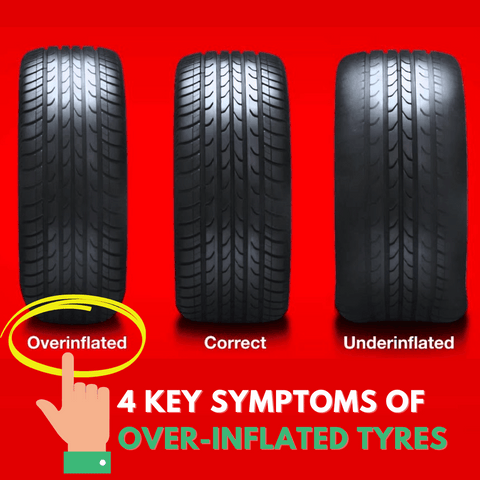
Keep your tires inflated to the correct pressure. Check tire pressure once a month with a gauge. Use the recommended pressure found in your car manual or door sticker.
Too low or too high pressure causes air loss and tire damage. Proper inflation helps tires last longer and improves fuel efficiency.
- Use a reliable tire pressure gauge
- Check pressure when tires are cold
- Adjust air pressure to the recommended level
- Don’t forget to check the spare tire
Avoiding Road Hazards
Driving carefully helps prevent tire damage. Avoid potholes, sharp objects, and rough roads. Slow down on bad roads to reduce stress on tires.
Stay clear of debris and broken glass on the road. These can cause punctures and slow leaks that make your tires lose air.
- Watch for potholes and cracks
- Avoid driving over nails or sharp metal
- Drive slowly on gravel or rough surfaces
- Keep distance from construction zones
Seasonal Tire Maintenance
Check your tires when seasons change. Cold weather makes air pressure drop. Warm weather can increase pressure. Adjust accordingly.
Inspect tires for wear after winter and before summer. Rotate tires and replace them if needed. This keeps them in good shape and prevents air loss.
- Check pressure monthly during temperature changes
- Rotate tires every 5,000 to 7,000 miles
- Inspect tread depth and wear
- Replace tires older than six years
Credit: riiroo.com
Frequently Asked Questions
Why Do Car Tires Lose Air Quickly?
Car tires lose air due to small punctures, valve leaks, or damaged rims. Temperature changes can also cause pressure drops. Regular tire checks help identify leaks early and maintain proper inflation for safe driving.
How Can I Prevent My Tires From Losing Air?
To prevent air loss, keep tires properly inflated and inspect for damage. Avoid rough roads and check valve stems regularly. Using quality tire sealants can also help seal minor leaks and maintain air pressure longer.
Can Temperature Changes Cause Tire Air Loss?
Yes, temperature fluctuations affect tire pressure. Cold weather causes air to contract, lowering pressure. Hot weather expands air, increasing pressure. Regularly check and adjust tire pressure during seasonal changes to ensure safe and efficient driving.
How Do I Check For Slow Leaks In Tires?
Check for slow leaks by applying soapy water to tire surface and valve. Look for bubbles indicating air escaping. Also, monitor tire pressure over days. If pressure drops consistently, inspect for punctures or valve issues.
Conclusion
Your car tires may lose air for several reasons. Check for punctures. Inspect the valve stems. Examine the tire bead for leaks. Extreme temperatures can also affect tire pressure. Regular tire maintenance is crucial. It ensures safety and performance. Use a tire gauge to monitor pressure.
Proper inflation saves fuel and extends tire life. Seek professional help if the issue persists. Keep your tires in top shape. Drive safely and confidently.