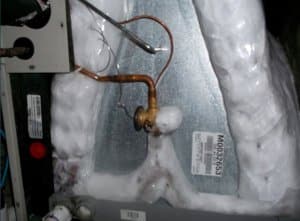
Are you tired of dealing with a dehumidifier that just won’t stop freezing up? It’s frustrating, isn’t it?
You rely on this handy appliance to keep your home comfortable and mold-free, but when it turns into a block of ice, you’re left scratching your head. You’re not alone. Many homeowners face this common issue, and understanding why it happens is the first step to fixing it.
Imagine the relief you’ll feel when you finally get to the root of the problem and enjoy a smoothly running dehumidifier once again. Stick around, and we’ll unravel the mystery behind your frosty predicament and explore solutions that can save you time, money, and a whole lot of hassle.
Common Causes Of Freezing
Freezing is a common problem that stops a dehumidifier from working well. Several factors cause the unit to freeze. Knowing these helps you fix the problem fast. Understanding the common causes also prevents future issues.
Low Room Temperature
Dehumidifiers work best in warm rooms. When the room temperature drops below 65°F (18°C), ice can form on the coils. Cold air makes the moisture freeze quickly. This blocks the airflow and stops the unit from pulling moisture.
Dirty Air Filters
Air filters trap dust and dirt. Over time, they get clogged. A dirty filter reduces airflow, causing the coils to get too cold. This makes ice build up on the coils. Clean filters help air flow smoothly and keep the unit from freezing.
Blocked Airflow
Blocked vents or grills stop air from moving properly. Objects near the dehumidifier can block air intake or exhaust. Without enough airflow, the coils get very cold and freeze. Keep the area around the unit clear for good ventilation.
Refrigerant Issues
Low refrigerant levels cause the coils to freeze. Refrigerant cools the air inside the unit. If there is a leak or low charge, the temperature drops too much. This leads to ice buildup on the coils. A professional can check and refill the refrigerant safely.

Credit: www.youtube.com
Effects Of A Frozen Dehumidifier
A frozen dehumidifier causes several problems that affect its performance and lifespan. Ice buildup blocks airflow and stops moisture removal. This leads to lower efficiency and other issues that may harm your device. Understanding the effects of a frozen dehumidifier helps you act fast to avoid damage and higher costs.
Reduced Efficiency
Ice on the coils lowers the dehumidifier’s ability to remove moisture. The unit struggles to pull air through frozen parts. This means it cannot dry the air well. You may notice higher humidity levels in your room. The device works harder but does less, wasting your effort.
Potential Damage
Frozen parts can harm the dehumidifier’s internal components. Ice expansion can crack coils or pipes. The compressor may overheat or fail from strain. Electrical parts risk short circuits if moisture builds up inside. Damage often leads to costly repairs or replacement.
Increased Energy Use
The dehumidifier uses more electricity to fight ice buildup. It runs longer cycles to reach the set humidity. The motor and compressor work harder than usual. This raises your energy bills without improving comfort. Over time, it also wears out the machine faster.
Step-by-step Fixes
Dehumidifiers freeze up due to several common issues. Fixing them requires a clear approach. Follow these simple steps to solve the freezing problem.
Adjust Room Temperature
Dehumidifiers work best in warm rooms. Cold air can cause the coils to freeze. Raise the room temperature above 65°F (18°C). Use a heater or close windows to keep the air warm. This helps prevent ice buildup on the unit.
Clean Or Replace Filters
Dirty filters block airflow and cause freezing. Remove the filter and check for dust or dirt. Wash it with water and let it dry completely. Replace the filter if it looks worn out. Clean filters improve air circulation and stop ice formation.
Clear Air Vents
Blocked vents restrict airflow around the dehumidifier. Check air vents for dust or objects. Use a vacuum or brush to clear any debris. Keep space around the unit free from clutter. Good airflow helps the dehumidifier work without freezing.
Check Refrigerant Levels
Low refrigerant can cause the coils to freeze. This issue needs a professional to inspect and refill refrigerant. Watch for signs like weak cooling or constant freezing. Proper refrigerant levels ensure smooth operation and prevent ice buildup.
Credit: www.greentractortalk.com
Preventive Tips
Preventing your dehumidifier from freezing up keeps it working well. Simple steps can stop ice buildup and improve air quality. Regular care and smart use extend your device’s life and save energy.
Regular Maintenance
Clean the filter often to avoid dust buildup. Check the coils for frost or dirt. Wipe the water bucket regularly to prevent mold. Ensure the fan blades spin freely and quietly. Inspect the drain hose for clogs or leaks.
Optimal Placement
Place the dehumidifier in a warm, dry spot. Avoid corners or places with poor air flow. Keep it away from windows and doors. Ensure enough space around the device for air circulation. Do not put it near heat sources or cold walls.
Monitor Humidity Levels
Use a hygrometer to track indoor humidity. Keep levels between 30% and 50%. Higher humidity can cause frost to form. Lower humidity reduces ice risks and keeps air fresh. Adjust settings to match room conditions.
When To Call A Professional
Knowing when to call a professional for your dehumidifier can save you time, money, and frustration. Some issues might seem minor but could indicate deeper problems that require expert attention. Recognizing these signs early helps prevent bigger damage to your unit and ensures your home stays comfortable and moisture-free.
Persistent Freezing Issues
If your dehumidifier keeps freezing up despite your efforts to fix it, it’s a clear signal to get professional help. Repeated freezing might mean the unit’s defrost system isn’t working properly or there’s a refrigerant leak. These problems need specialized tools and knowledge to diagnose and repair safely.
Complex Repairs
Some repairs go beyond simple cleaning or resetting. When you notice strange noises, leaks, or electrical issues, it’s best to call an expert. Attempting to fix complex components like the compressor or coils yourself can cause more harm than good.
Warranty Considerations
Have you checked your dehumidifier’s warranty? Many repairs will be covered if you involve a certified technician. Trying to fix it on your own might void the warranty, costing you more in the long run. Calling a professional ensures your repairs are done correctly and your warranty stays intact.

Credit: www.searspartsdirect.com
Frequently Asked Questions
Why Does My Dehumidifier Freeze In Cold Rooms?
Dehumidifiers freeze in cold rooms because low temperatures cause moisture to freeze on coils. This blocks airflow and stops proper dehumidification. Using the unit in warmer areas or with a built-in defrost feature helps prevent freezing and improves performance.
How Can I Prevent My Dehumidifier From Freezing?
To prevent freezing, keep the room temperature above 65°F (18°C). Clean filters regularly and ensure good airflow around the unit. Using a dehumidifier with an automatic defrost function also helps reduce ice buildup on the coils.
What Causes Ice Buildup On Dehumidifier Coils?
Ice builds up when humid air meets cold coils, causing condensation to freeze. This happens in low temperatures or poor airflow conditions. Regular maintenance and using the dehumidifier in the recommended temperature range reduce ice formation and keep it running smoothly.
Can A Frozen Dehumidifier Damage The Unit?
Yes, a frozen dehumidifier can damage internal components. Ice blocks airflow and stresses the compressor, leading to malfunction. Promptly defrosting and maintaining proper operating conditions prevent damage and extend the unit’s lifespan.
Conclusion
A dehumidifier freezing up can cause many problems. Cleaning the filter and checking the temperature helps. Make sure the room stays warm enough. Keep the airflow clear around the unit. Fix any leaks or blockages quickly. Regular care keeps your dehumidifier working well.
Small steps prevent the freezing issue from coming back. Stay patient and watch your machine closely. This way, your home stays dry and comfortable.