Imagine this: You’ve just finished a delightful dinner, and you load your dishwasher, eager to relax. But instead of the comforting hum of a machine doing its magic, you hear an unsettling gurgling sound.
You rush to your kitchen sink, only to find it filling up with murky water from the dishwasher. Frustrating, right? If you’ve ever wondered, “Why does my dishwasher back up into my sink? ” you’re not alone. This common household issue can disrupt your routine and leave you puzzled.
But don’t worry—understanding the reasons behind it can help you get back to your serene post-dinner routine. Dive into this article to uncover the mysteries of your kitchen plumbing, and discover practical solutions that will keep your sink and dishwasher running smoothly.
Common Causes Of Dishwasher Backup
Dishwasher backup into the sink is a common household issue. It happens when water cannot drain properly. Several factors cause this problem. Understanding these causes helps find the right fix fast.
Clogged Drain Hose
The drain hose carries water from the dishwasher to the sink drain. Food particles, grease, or soap scum can block it. A clogged hose stops water flow, causing it to back up into the sink.
Blocked Garbage Disposal
Many dishwashers connect to a garbage disposal unit. If the disposal is clogged, water cannot pass through. This blockage forces dirty water back into the dishwasher and sink.
Faulty Air Gap
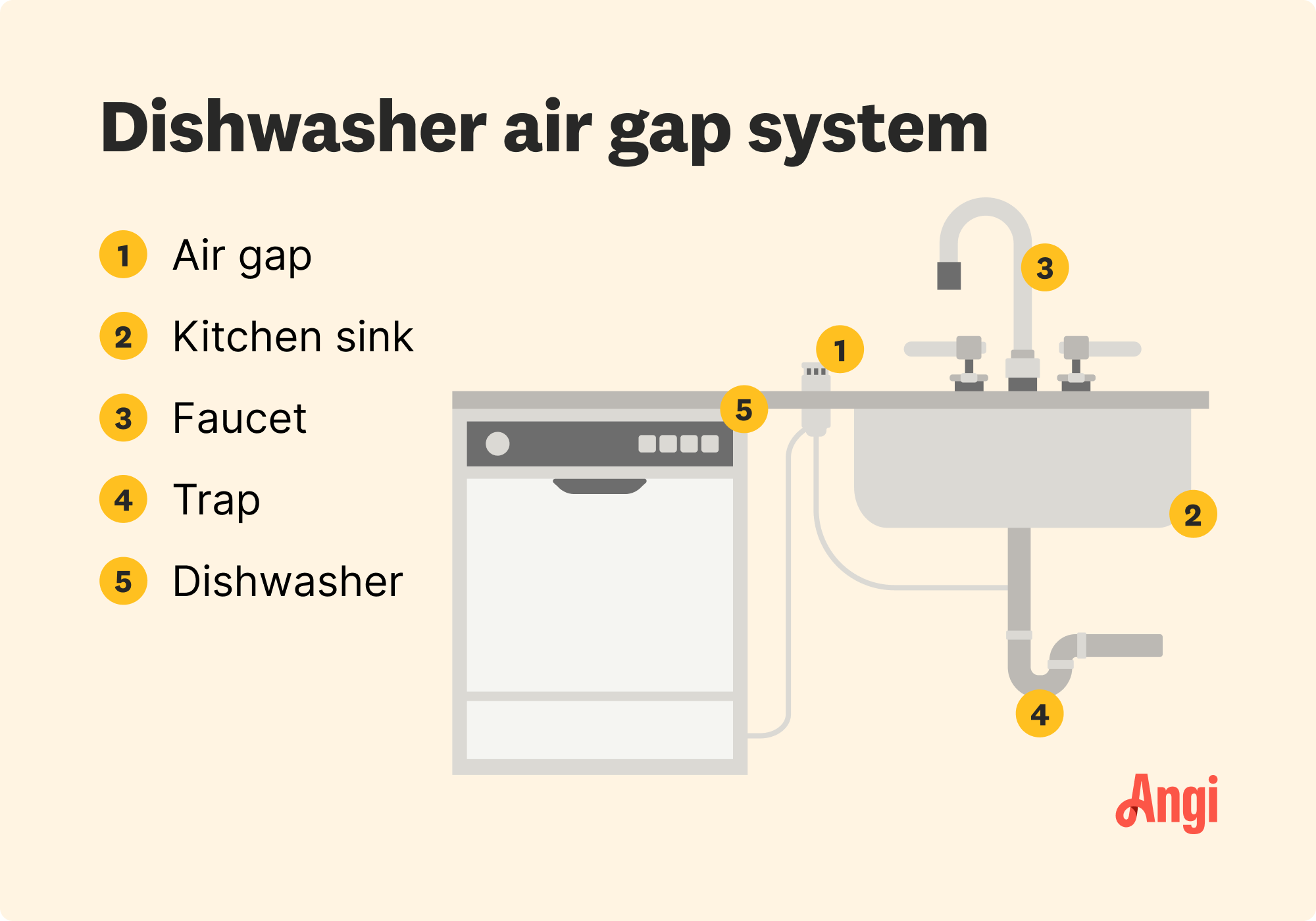
The air gap prevents dirty water from flowing back into the dishwasher. If it is broken or clogged, it fails to stop backup. Water then returns to the sink through the dishwasher drain.
Drain Valve Issues
The drain valve controls water flow out of the dishwasher. If it gets stuck or damaged, water cannot drain properly. This causes water to flow backward into the sink area.
Improper Installation
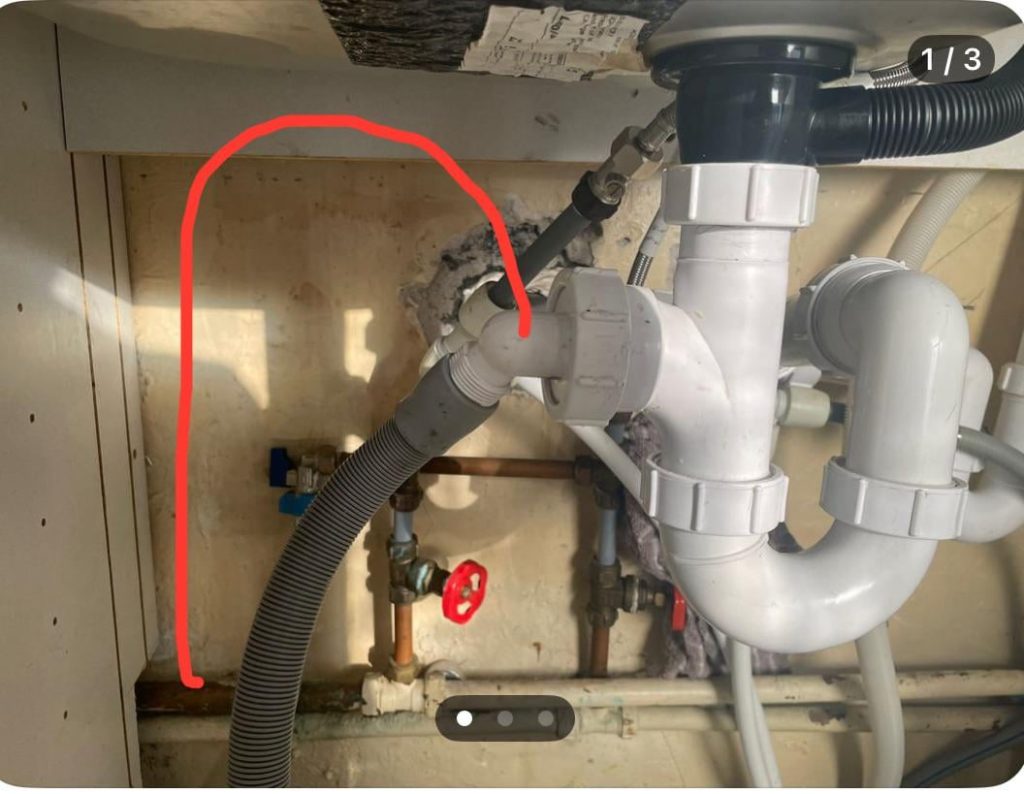
Incorrect dishwasher or drain setup often causes backups. A drain hose installed too low or kinked blocks water flow. Poor installation creates pressure that pushes water back into the sink.
How To Diagnose The Problem
When your dishwasher backs up into the sink, it’s frustrating and messy. Diagnosing the problem early can save you from bigger repairs and costly plumber visits. Let’s break down the key areas to check so you can pinpoint the cause quickly and take action.
Checking The Drain Hose
The drain hose is often the culprit behind dishwasher backups. Look for kinks, clogs, or damage along the hose. Even a small blockage can stop water from flowing out properly, causing it to back up into your sink.
Disconnect the hose and try running water through it with a garden hose or tap. Does the water flow freely or pool inside? If it’s blocked, clear the hose or replace it if damaged.
Inspecting The Garbage Disposal
If your dishwasher drains into the garbage disposal, a clog there can cause backups. Check if food scraps or grease have built up, blocking the flow. You might notice a slow drain or unpleasant odors.
Run the disposal and watch for any drainage issues. Sometimes, simply grinding ice cubes and citrus peels can help clear minor clogs. If that doesn’t work, the disposal may need a professional cleaning.
Testing The Air Gap
The air gap prevents dirty water from flowing back into the dishwasher. If it’s clogged, you could see water spilling into the sink. Remove the air gap cover and inspect for debris or buildup.
Flush the air gap with water to clear any blockages. If water still backs up, the air gap might be damaged and require replacement.
Examining The Drain Valve
The drain valve controls water flow out of the dishwasher. If it’s stuck or faulty, water can’t exit properly and backs up into the sink. Listen for unusual noises when the dishwasher drains.
You can manually check if the valve opens and closes smoothly. A malfunctioning valve usually needs a replacement to fix the problem.
Diy Fixes For Dishwasher Backflow
DIY fixes for dishwasher backflow can save time and money. Many common causes are simple to fix at home. These quick repairs prevent water from backing up into your sink. Follow these easy steps to keep your dishwasher draining properly.
Clearing The Drain Hose
The drain hose can get clogged with food and debris. Disconnect it from the dishwasher and sink. Use a long brush or a flexible wire to clear blockages. Rinse the hose with warm water before reconnecting it. Make sure the hose is not kinked or bent.
Cleaning The Garbage Disposal
Food scraps in the garbage disposal can block water flow. Run the disposal to clear small debris. Check inside for any stuck items. Use a brush to scrub the disposal opening. Pour hot water to flush out buildup after cleaning.
Replacing The Air Gap
The air gap stops dirty water from flowing back. It can get clogged or broken over time. Remove the air gap cover and clean inside with a brush. If damaged, replace it with a new one. This ensures proper drainage and prevents backflow.
Unclogging The Drain Valve
The drain valve controls water leaving the dishwasher. Food particles can block it and cause backups. Locate the valve and remove any debris. Test the valve to ensure it opens smoothly. Clean or replace the valve if it is faulty.

Credit: www.youtube.com
When To Call A Professional
Knowing when to call a professional for your dishwasher backing up into the sink can save you time, money, and frustration. Some problems look simple but hide deeper issues that need expert attention. If you notice recurring issues or something unusual, it’s a strong sign to get a plumber or appliance technician involved.
Persistent Drainage Issues
Have you tried clearing the drain yourself but the backup keeps happening? Persistent drainage problems often mean a clog deeper in the pipes or a blocked vent that you can’t reach easily. Professionals have the right tools like drain snakes or cameras to find and fix hidden blockages.
Ignoring these issues might cause water damage or mold growth. Don’t let a small backup turn into a big disaster in your kitchen.
Complex Plumbing Problems
If your dishwasher backs up into the sink and you notice other signs like slow draining sinks or strange noises in pipes, your plumbing might be more complicated than just a clog. Issues with the drain line, garbage disposal, or venting system often require specialized knowledge.
Trying to fix complex plumbing without experience can worsen the problem or cause leaks. A professional plumber can accurately diagnose the root cause and make sure everything flows smoothly again.
Electrical Component Failures
Your dishwasher uses electrical parts like pumps and valves to drain water properly. When these components fail, water can back up unexpectedly. If your dishwasher shows error codes, doesn’t complete cycles, or won’t drain even after clearing clogs, electrical failure could be the issue.
Handling electrical repairs without expertise is risky and might damage the appliance further. Calling a certified technician ensures safe and correct repairs so your dishwasher works reliably.
Preventing Future Backups
Preventing dishwasher backups keeps your kitchen clean and your appliance working well. Simple actions can stop water from flowing back into your sink. Regular care and attention help avoid costly repairs and bad smells. Follow these tips to keep your dishwasher draining smoothly and your sink dry.
Regular Maintenance Tips
- Clean the dishwasher filter every month to remove food debris.
- Run a dishwasher cleaner cycle to clear grease and buildup.
- Check and clean the drain hose to prevent clogs.
- Use hot water during the wash cycle to improve drainage.
- Avoid overloading the dishwasher to allow proper water flow.
Proper Dishwasher Use
- Scrape off large food particles before loading dishes.
- Do not pour grease or oil down the drain connected to the dishwasher.
- Use the right dishwasher detergent and avoid excess amounts.
- Run the dishwasher fully loaded to save water and energy.
- Allow the dishwasher to complete its cycle before opening the door.
Routine Inspection Of Plumbing
- Check the sink drain for slow drainage or blockages regularly.
- Inspect the dishwasher drain hose for cracks or kinks.
- Ensure the air gap or high loop is installed correctly.
- Look for leaks under the sink that could affect drainage.
- Call a plumber if you notice persistent backup or water pooling.
Credit: www.angi.com

Credit: www.reddit.com
Frequently Asked Questions
Why Does My Dishwasher Drain Into The Sink?
Dishwashers back up into the sink when the drain hose is clogged or improperly installed. This causes wastewater to flow back, mixing with sink water and creating backups.
Can A Clogged Drain Cause Dishwasher Backup?
Yes, clogged drains block water flow, causing dishwasher drainage to back up into the sink. Clearing the clog restores proper drainage and prevents backups.
How Do I Fix Dishwasher Draining Into The Sink?
Check and clean the dishwasher drain hose and garbage disposal. Ensure proper hose installation and clear any blockages for smooth drainage.
Does A Faulty Garbage Disposal Cause Dishwasher Backup?
A malfunctioning garbage disposal can block the drain, causing dishwasher water to back up into the sink. Regular maintenance helps avoid this issue.
Conclusion
A dishwasher backing up into the sink signals a drainage issue. Clogged pipes or a blocked garbage disposal often cause this problem. Regular cleaning and checking your drain can prevent backups. Fixing small blockages quickly saves bigger repairs later. Understanding these causes helps keep your kitchen running smoothly.
Don’t ignore the signs; act early to avoid mess and damage. Simple steps can keep your dishwasher and sink working well together.