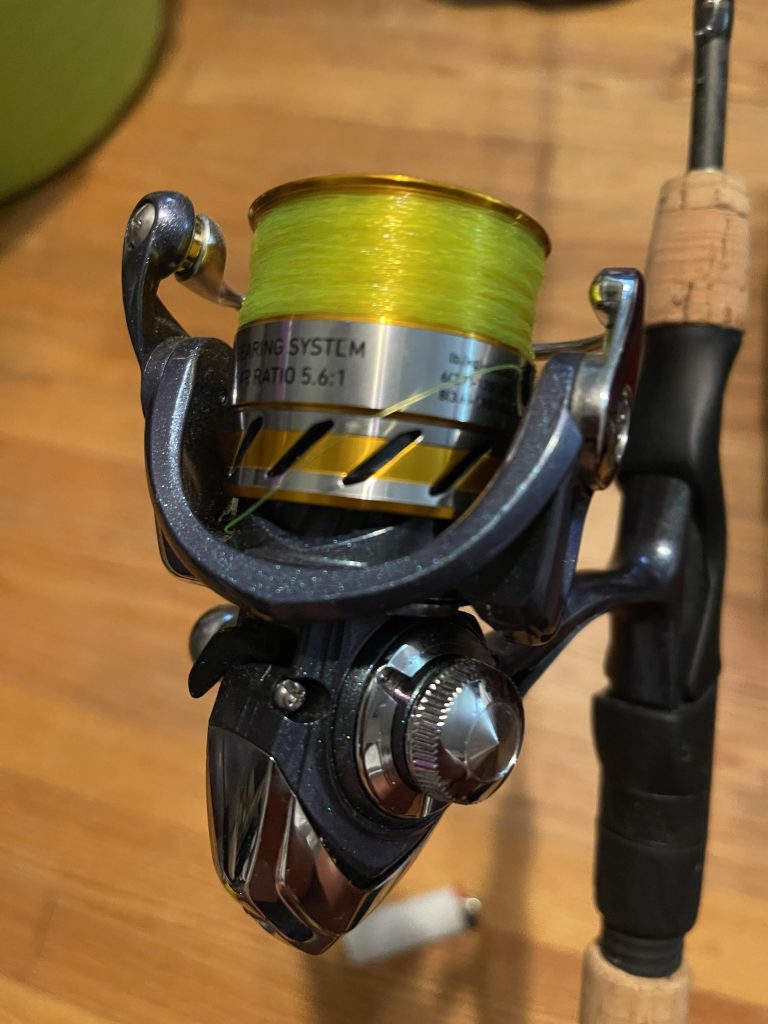
Have you ever been out fishing, only to find your line tangled again and again? It’s frustrating, wastes your time, and can even ruin your entire fishing trip.
You might wonder why this keeps happening, no matter how careful you are. The truth is, there are simple reasons behind those annoying knots and twists. Understanding these can help you fish more smoothly and enjoy your time on the water without constant interruptions.
Keep reading, because once you know why your fishing line gets tangled, you’ll learn easy fixes that make a big difference.

Credit: www.reddit.com
Common Causes Of Line Tangles
Fishing line tangles are a common problem for anglers of all levels. These tangles can waste time and cause frustration on the water.
Understanding the causes helps prevent these knots and keeps your fishing smooth and fun.
Improper Spooling Techniques
Spooling your line incorrectly often causes tangles. If the line is too loose or too tight, it may twist or loop.
Not filling the spool evenly can also make the line catch and tangle during casting.
- Keep the line tight while spooling
- Fill the spool evenly without overfilling
- Use a proper spool size for your reel
Using The Wrong Line Type
Different fishing lines suit different reels and conditions. Using the wrong type can cause tangles more often.
For example, braided lines may tangle more on spincast reels, while monofilament works better.
- Match line type to your reel
- Check line strength and thickness
- Choose lines designed for your fishing style
Casting Mistakes
Incorrect casting can cause loops and twists in the line. This leads to bird nests and tangles.
Casting too fast or stopping suddenly can create slack that tangles easily.
- Make smooth, steady casts
- Avoid jerking the rod during casting
- Practice timing for better control
Reeling Errors
Reeling too quickly or unevenly causes line twists. This results in tangles when casting again.
Failing to open the bail properly or reeling against the spool can also cause knots.
- Reel smoothly and steadily
- Open the bail fully before casting
- Don’t reel against the spool’s direction
Environmental Factors
Wind, water currents, and obstacles like trees increase line tangling chances. These factors add extra twists.
Fishing in rough conditions requires more care to keep the line straight and untangled.
- Cast with the wind, not against it
- Avoid snag-prone areas when possible
- Use heavier line in strong currents
Choosing The Right Fishing Line
Fishing line tangles can ruin your fishing trip. Picking the right line helps reduce tangles. Each type of line acts differently in water and on the reel.
Understanding line strength, diameter, and condition is key. These factors affect how smoothly your line casts and reels in.
Monofilament Vs. Fluorocarbon Vs. Braided
Monofilament, fluorocarbon, and braided lines each have pros and cons. Monofilament is stretchy and easy to handle. Fluorocarbon is less visible in water but stiffer. Braided line is very strong and thin but may tangle more.
- Monofilament:Good for beginners, stretches under load, and floats on water.
- Fluorocarbon:Hard to see underwater, sinks faster, and resists abrasion.
- Braided:Strong and thin, lasts longer, but can twist and tangle.
Line Strength And Diameter
| Line Type | Strength (lbs) | Diameter (inches) |
| Monofilament | 6-20 | 0.012-0.030 |
| Fluorocarbon | 8-25 | 0.010-0.028 |
| Braided | 10-50+ | 0.006-0.018 |
Stronger lines usually have a larger diameter. Thicker lines can cause more wind knots and tangles. Choose a line strength that fits the fish you want to catch.
Line Condition And Age
Old and damaged fishing lines tangle easily. Exposure to sun and water weakens the line. Check your line often and replace it if it feels rough or looks faded.
- Store line away from direct sunlight.
- Inspect line for cracks or frays before fishing.
- Replace line every season or after heavy use.
Techniques To Prevent Line Twists
Fishing line tangles can be frustrating. They disrupt your fishing experience. Learn simple techniques to keep your line straight and tangle-free.
Follow these methods to reduce line twists and enjoy a smoother fishing trip. Understanding these basics can make a big difference.
Proper Spooling Methods
Spooling your line correctly is crucial. It prevents tangles and ensures smooth casting. Always match the line direction with the reel’s spin.
- Use a line spooler for even tension
- Keep the line tight while spooling
- Avoid overfilling the reel
Regular Line Maintenance
Maintaining your line keeps it strong and flexible. Inspect it regularly for damage. Replace it if you notice wear or fraying.
| Maintenance Task | Frequency |
| Inspect for damage | After each trip |
| Clean with freshwater | Weekly |
| Replace worn line | Monthly |
Correct Casting Practices
Proper casting technique reduces line twists. Practice smooth and controlled motions. Avoid jerky casts that can twist your line.
Using Swivels And Line Conditioners
Swivels help prevent line twists. They allow the line to spin freely. Line conditioners keep your line smooth and reduce friction.
Consider these tools:
- Swivels– Attach them between the line and lure
- Line Conditioners– Spray evenly before fishing

Credit: www.reddit.com
Troubleshooting Common Tangles
Fishing line tangles can ruin a great day on the water. Knowing why your line gets tangled helps fix it fast. This guide shows how to spot and solve common problems.
Each type of tangle needs a different fix. Read on to learn about backlash, loose loops, knots, and line memory.
Identifying Backlash And Bird’s Nests
Backlash happens when the spool spins too fast and line piles up. Bird’s nests are big, messy tangles from backlash. They look like a ball of twisted line.
Backlash often occurs with baitcasting reels. It happens if you release the spool without proper brake control. Bird’s nests waste time and line.
- Listen for unusual spool noise when casting
- Check if line loops form behind the lure
- Spot tight, twisted clumps on the spool
Fixing Loose Loops And Knots
Loose loops happen when the line is not tight on the reel or rod guides. Knots form when loops twist and catch on themselves. These tangles cause casting problems and breakage.
Fix loose loops by keeping tension on the line during casting. Untie knots carefully to avoid damage. Regularly check your line for small loops and knots.
- Keep steady tension when reeling in
- Use your fingers to gently pull apart knots
- Cut and retie if knots are too tight
- Inspect line after every catch
Dealing With Line Memory
Line memory is when the fishing line keeps the shape of the spool. It causes loops and tangles during casting. This is common with monofilament and fluorocarbon lines.
To reduce line memory, stretch the line before use. Store spools properly by loosening line tension. Replace old line often to avoid problems.
- Stretch new line by pulling it tight several times
- Keep line loose on the spool
- Store line away from heat and direct sunlight
- Change line regularly to keep it fresh
Equipment Upgrades To Reduce Tangling
Tangled fishing line can ruin your fishing trip. Upgrading your equipment can help lower tangles. Better gear makes fishing easier and more fun.
Choosing the right tools can stop line from twisting and knotting. Small changes in your setup can make a big difference.
Reel Selection And Quality
Good reels help control the line better. Low-quality reels can cause line to twist and tangle. Pick reels with smooth drag systems and quality bearings.
Spinning reels often tangle less than baitcasting reels for beginners. Make sure the reel matches the type of fishing you do.
Line Guides And Rod Compatibility
Line guides help the line flow smoothly from the reel. Check that your rod’s guides fit the line type and size. Mismatched guides can cause friction and knots.
Rods with ceramic or smooth guides reduce wear on the line. This helps prevent weak spots that lead to tangles.
- Match guide size to line thickness
- Choose rods with smooth, durable guides
- Replace damaged guides quickly
Additional Tools And Accessories
Some tools help keep your line neat and tangle-free. Line conditioners reduce friction and improve casting. Line winders help spool line evenly.
Using swivels stops line twist from spinning lures. Leaders protect the line from rough fish and sharp teeth. These small upgrades lower tangles a lot.
- Line conditioners for smooth casting
- Swivels to prevent line twist
- Line winders for even spooling
- Leaders for extra line protection

Credit: www.reddit.com
Frequently Asked Questions
Why Does My Fishing Line Keep Twisting And Tangling?
Fishing line twists form when reeling too fast or using improper spooling. Twists cause tangles during casts. Use quality line and spool it carefully to reduce twists and tangles.
How Can I Prevent Fishing Line Knots And Snarls?
Knots and snarls happen from slack line or poor casting technique. Keep line tension consistent and practice smooth casting. Using a swivel can also minimize line twisting and tangling.
Does Fishing Reel Type Affect Line Tangling?
Yes, reel type impacts line control. Spinning reels are more prone to tangles than baitcasting reels. Proper reel maintenance and line setup can reduce tangling regardless of reel type.
What Role Does Fishing Line Quality Play In Tangles?
Low-quality or old lines are more likely to tangle and weaken. High-quality, fresh lines offer better strength, flexibility, and resistance to tangling, improving your fishing experience.
Conclusion
Tangled fishing lines cause frustration and lost time. Choose the right line for your reel. Keep your line tight and avoid slack while casting. Regularly check for knots or twists in the line. Use good casting techniques to prevent loops and tangles.
Proper storage helps keep the line smooth and ready. Practice patience; untangling takes care and focus. Small changes make fishing more enjoyable and less stressful. Keep these tips in mind for a better fishing experience.