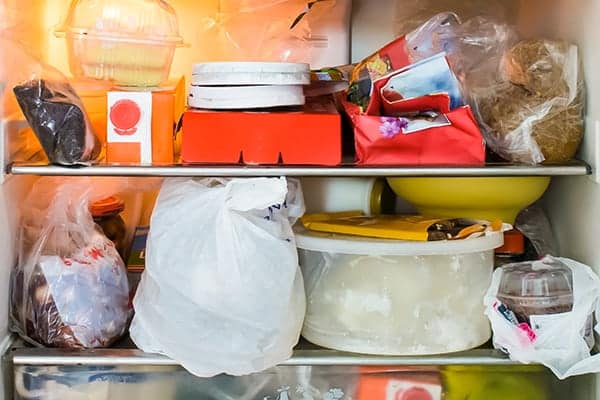
Have you ever opened your fridge only to find your fresh veggies or leftovers frozen solid? It’s frustrating, right?
You expect your refrigerator to keep food cool, not turn it into a mini freezer. If you’ve been wondering, “Why does my food freeze in the refrigerator? ” you’re not alone. Understanding what causes this unexpected freezing can help you protect your groceries and save money.
Keep reading, and you’ll discover simple reasons behind this issue—and how you can fix it before your next meal goes from fresh to frozen.
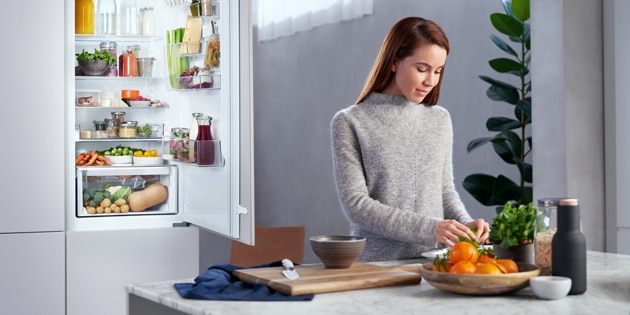
Credit: www.electrolux.in
Common Reasons For Food Freezing
Food freezing inside the refrigerator is a common issue that can spoil your groceries. Understanding why this happens helps prevent food damage and waste. Several factors inside your fridge can cause food to freeze unexpectedly. These factors affect the temperature and airflow, leading to cold spots and freezing.
Low Refrigerator Temperature
Setting the fridge temperature too low is a top reason for food freezing. Most refrigerators work best between 35°F and 38°F (1.7°C to 3.3°C). Lower settings cause food near the cooling elements to freeze. Regularly check and adjust the temperature to avoid freezing.
Faulty Thermostat
A broken or inaccurate thermostat may cause the fridge to run too cold. It can send wrong signals, making the fridge colder than needed. This leads to frozen food despite a proper temperature setting. Testing the thermostat and replacing it if faulty is important.
Improper Air Circulation
Blocked vents or overcrowded shelves can stop air from flowing properly. Poor circulation causes uneven temperatures inside the fridge. Some areas get colder, freezing food stored nearby. Keep vents clear and arrange food to allow good airflow.
Cold Spots Inside The Fridge
Cold spots form near cooling vents or fans. These spots are colder than the rest of the fridge. Food placed in these spots can freeze faster. Moving items away from vents and rotating food helps balance the temperature.
Effects Of Food Freezing
Freezing food in the refrigerator can cause several changes. These effects impact how food feels, tastes, and its health benefits. Understanding these changes helps in managing food storage better.
Texture Changes
Freezing causes ice crystals to form inside food. These crystals break down cell walls. This makes food softer or mushy after thawing. Vegetables like lettuce and fruits like berries lose crunchiness. Meat can become dry or tough if frozen too long.
Flavor Alterations
Freezing can dull the natural flavors of food. Ice crystals may cause water loss, leading to bland taste. Some foods absorb odors from the fridge. This changes their original flavor. Spices and herbs often lose their sharpness after freezing.
Nutrient Loss
Freezing slows down nutrient loss but does not stop it. Vitamins like C and B can degrade over time. Water-soluble nutrients may leak out during thawing. Some minerals remain stable through freezing. Proper packaging helps reduce nutrient loss.
How To Check Your Refrigerator Temperature
Knowing how to check your refrigerator temperature can help you stop your food from freezing unexpectedly. Too cold settings might be the culprit behind frozen vegetables or chilled drinks. Checking the temperature is simple and gives you control over keeping your food fresh without freezing.
Using A Thermometer
Start with a reliable refrigerator thermometer. Place it in the middle shelf, where most food is stored, and leave it for a few hours to get an accurate reading.
Some refrigerators come with built-in digital temperature displays, but these can be misleading. A standalone thermometer gives you the real temperature where your food sits. After checking, adjust your fridge settings accordingly.
Ideal Temperature Range
The ideal temperature for your refrigerator is between 37°F (3°C) and 40°F (4°C). Temperatures below 32°F (0°C) cause food to freeze, so avoid setting your fridge that cold.
Keep in mind that different areas inside your fridge might have slight temperature variations. Regularly check the temperature in multiple spots if your food freezes often.
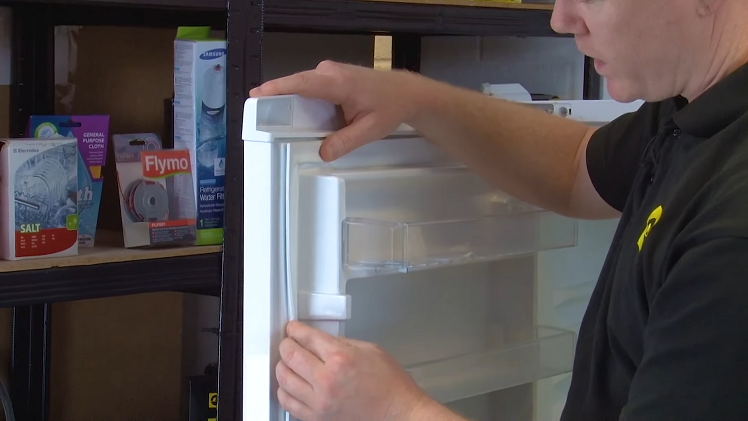
Credit: www.espares.co.uk
Adjusting Refrigerator Settings
Adjusting your refrigerator settings can stop food from freezing. Many times, the issue lies in the temperature or airflow inside the fridge. Small changes can make a big difference in keeping your food fresh without freezing.
Temperature Controls
Check the temperature dial or digital control panel. The ideal fridge temperature is usually between 37°F and 40°F (3°C to 4°C). Setting it too low causes food to freeze. Try raising the temperature slightly and wait 24 hours to see the effect.
Some fridges have separate controls for the freezer and refrigerator sections. Ensure the fridge section is not set near freezing point. Avoid turning the temperature to the coldest setting unless needed for very hot weather or heavy usage.
Fan And Airflow Adjustments
Fans help circulate cold air inside the fridge. If airflow is too strong or directed on certain shelves, food may freeze there. Adjust the vents to reduce direct cold air on delicate items.
Keep vents clear of food containers or boxes. Blocking vents forces air to move unevenly, causing cold spots. Rearrange items for better air circulation and check if the fan runs continuously or shuts off properly.
Fixing Common Refrigerator Issues
Dealing with food freezing in your refrigerator can be frustrating, especially when you’re unsure why it happens. Many common refrigerator issues cause this problem, but most can be fixed with simple adjustments or maintenance. Understanding these fixes can help you save money and keep your food fresh without unexpected freezing.
Thermostat Replacement
If your fridge’s thermostat is faulty, it can cause the temperature to drop too low, freezing your food. You might notice the fridge feels colder than usual or your food items develop ice crystals. Checking the thermostat setting is the first step, but if it doesn’t respond correctly, replacing it might be necessary.
Replacing the thermostat is easier than you think. Many models have accessible controls or parts you can order online. Have you checked if your fridge’s temperature sensor is working properly? A quick test with a multimeter can reveal if it’s time for a new thermostat.
Cleaning Air Vents
Blocked or dirty air vents can cause uneven cooling inside your refrigerator. When vents are clogged, cold air doesn’t circulate well, leading to cold spots where food freezes. Dust, food crumbs, or ice buildup can all block airflow through these vents.
Regularly cleaning the air vents with a soft brush or vacuum helps maintain proper airflow. You might be surprised how much difference a clean vent makes in temperature consistency. Have you checked your fridge’s vents lately?
Rearranging Food For Better Airflow
How you arrange your food inside the fridge affects how air circulates. Overcrowding shelves or blocking vents with large containers can trap cold air in one spot, causing freezing. Leaving some space between items allows air to move freely and keeps temperatures even.
Try organizing your fridge to avoid blocking air vents. Use smaller containers or split large items into smaller portions to improve airflow. Do you think your fridge might be too packed to let cold air flow properly?

Credit: www.angi.com
Preventive Tips To Avoid Freezing Food
Freezing food in the refrigerator can spoil your meals and cause waste. It happens when the fridge temperature drops too low or when cold air hits certain spots. Taking simple steps can stop food from freezing. These tips help keep food fresh and safe.
Regular Maintenance
Clean the fridge coils and vents often. Dust and dirt block airflow and cause cold spots. Check door seals for cracks or damage. Broken seals let cold air escape and freeze food. Defrost the fridge if frost builds up too much. Frost can lower the temperature unevenly.
Monitoring Temperature Consistently
Use a fridge thermometer to track the temperature. The ideal range is between 37°F and 40°F (3°C and 4°C). Avoid setting the temperature too low. Adjust settings if food freezes or feels too cold. Check the temperature daily for accuracy.
Avoid Overloading The Fridge
Do not pack the fridge too full. Overloading blocks air circulation inside. Cold air cannot spread evenly to all food. Leave space between items for airflow. Organize food to prevent touching cold fridge walls. This reduces the risk of freezing.
Frequently Asked Questions
Why Is My Fridge Freezing Food?
Your fridge may be set too cold, causing food to freeze. Check the temperature setting and adjust it to 37-40°F. Blocked vents can also restrict airflow, leading to uneven cooling. Ensure proper air circulation around items.
How Can I Stop Food From Freezing?
To prevent food from freezing, maintain an even temperature and avoid overpacking. Keep vents unblocked for proper airflow. Regularly check and clean the coils to ensure efficient cooling.
Is A Faulty Thermostat Causing Freezing?
A malfunctioning thermostat can cause your fridge to freeze food. It may not regulate temperatures correctly. If adjusting the thermostat doesn’t help, consult a professional for repair or replacement.
Can Placement Of Food Cause Freezing?
Improper placement can cause freezing. Items too close to vents may freeze due to direct cold air exposure. Distribute food evenly, allowing air to circulate. Avoid placing sensitive items near the back or sides.
Conclusion
Food freezing in the refrigerator happens because of cold spots and temperature settings. Check the thermostat and keep it between 35-38°F for best results. Avoid placing food near the cooling vents. Proper air circulation inside the fridge helps prevent freezing.
Keep your fridge organized and not overfilled. Regularly clean the coils to maintain efficiency. Small changes can stop food from freezing and save money. Understanding these simple tips can make your fridge work better. Your food stays fresh and safe without freezing issues.
Easy to fix, right?