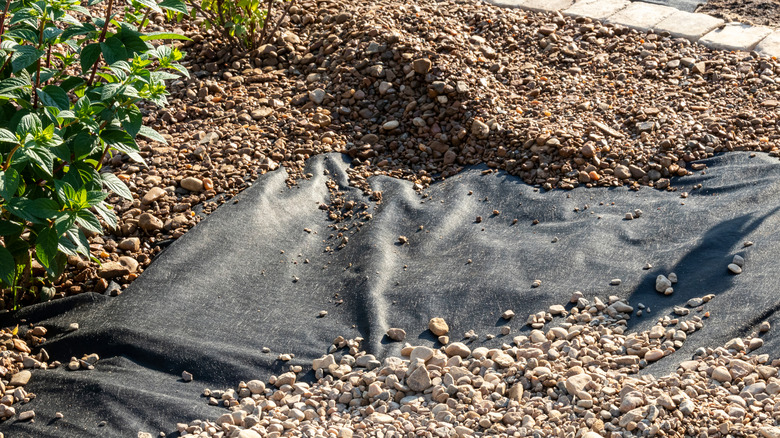
Have you noticed water pooling on your landscape fabric instead of soaking into the soil? It can be frustrating when your garden doesn’t drain properly, leaving you wondering, “Why does my landscape fabric hold water?” Understanding the reasons behind this common problem can save you time, protect your plants, and keep your yard looking its best.
You’ll discover the key causes of water buildup on landscape fabric and simple steps you can take to fix it. Keep reading to find out how to keep your garden healthy and dry.
Causes Of Water Retention In Landscape Fabric
Landscape fabric is designed to control weeds and allow water to pass through. Sometimes, it holds water instead. This can cause problems for your plants and soil.
Understanding why water stays on or under the fabric helps fix the issue. Several factors can cause water retention in landscape fabric.
Material Composition Issues
Some landscape fabrics are made from materials that do not drain water well. Fabrics with tight weaves or plastic layers can trap water on the surface.
Low-quality fabrics may break down quickly and clog pores. This stops water from passing through and causes pooling.
- Tightly woven fabrics limit water flow
- Plastic-backed fabrics block drainage
- Old or damaged fabrics clog with dirt
Improper Installation Techniques
Installing landscape fabric wrong can cause water to collect. If the fabric is stretched too tightly, water cannot seep through easily.
Placing fabric on uneven ground or not securing edges lets water pool in low spots. Overlapping fabric layers without gaps also blocks drainage.
- Stretching fabric too tight reduces permeability
- Uneven ground creates water pockets
- Overlapping layers block water flow
- Loose edges let water collect underneath
Soil And Drainage Problems
Poor soil drainage causes water to stay near the fabric. Clay or compacted soil does not let water pass easily.
If the area has a flat or low spot, water may pool on top of or beneath the fabric. This traps moisture and causes soggy soil.
- Clay soil drains water slowly
- Compacted soil blocks water flow
- Low areas collect water near fabric
- Flat ground prevents runoff

Credit: extension.psu.edu
Material Selection For Optimal Drainage
Choosing the right landscape fabric affects water drainage in your garden. Good material choice helps water pass through easily.
This guide explains how permeability and fabric types, plus fabric thickness, impact drainage performance.
Permeability And Fabric Types
Permeability means how well water flows through fabric. Some fabrics block water, others let it pass.
- Woven fabrics have small gaps that allow water to drain well.
- Non-woven fabrics block water more, holding moisture on the surface.
- Perforated fabrics have holes for extra drainage but less weed control.
- Plastic sheeting blocks all water and is not good for drainage.
Choosing The Right Thickness
| Fabric Thickness | Drainage Effect | Durability |
| Light (1-2 oz/sq yd) | High permeability, drains fast | Low, tears easily |
| Medium (3-4 oz/sq yd) | Balanced drainage and strength | Moderate durability |
| Heavy (5+ oz/sq yd) | Less permeability, slower drainage | Very durable, resists damage |
Choosing fabric weight depends on your soil type and water needs. Thicker fabric lasts longer but may hold water.
Installation Best Practices
Landscape fabric can hold water if not installed correctly. Proper installation helps water drain well.
Following best practices reduces water buildup and keeps your garden healthy.
Ensuring Proper Overlap
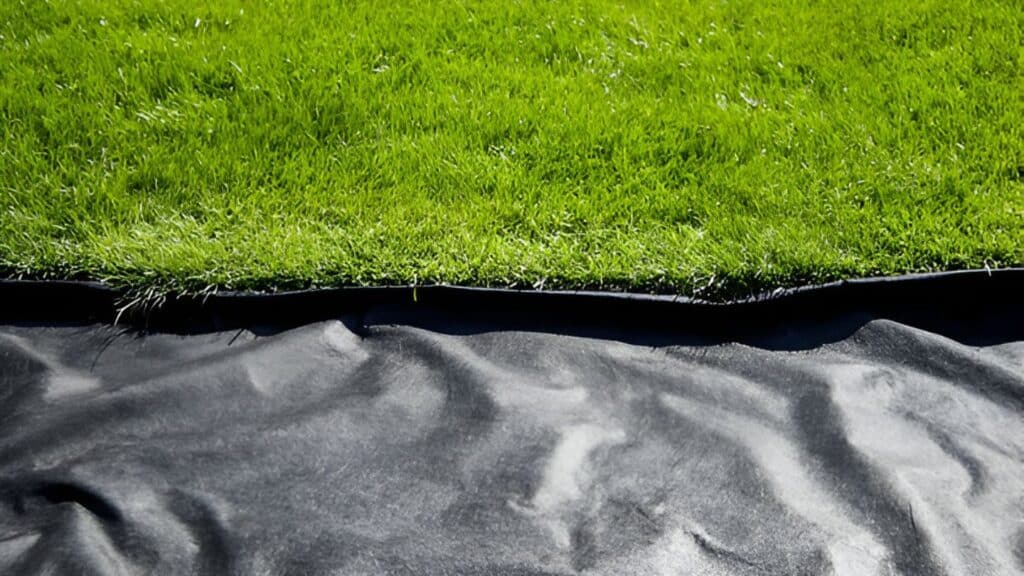
Overlap landscape fabric edges to stop water from pooling between layers. Overlapping also stops weeds from growing through gaps.
- Overlap fabric by at least 6 inches (15 cm)
- Lay fabric flat without wrinkles or folds
- Overlap seams in the direction of water flow
- Use landscape staples to keep overlaps in place
Correct Anchoring Methods
Anchoring fabric prevents it from shifting and causing water to pool. Use the right anchors and place them properly.
| Anchor Type | Best Use | Placement |
| U-shaped Staples | Soft soil | Every 12 inches along edges |
| Flat Pins | Under mulch or gravel | Every 18 inches across fabric |
| Heavy Rocks or Pavers | Temporary hold | Edges and overlaps |
Credit: mulchpros.com
Enhancing Soil Drainage
Landscape fabric can hold water if soil drainage is poor. Improving drainage helps water move through the soil. This keeps plants healthy and prevents water buildup.
Two key ways to improve drainage are soil amendments and grading. These methods work well with landscape fabric to stop water from pooling.
Soil Amendment Tips
Adding materials to soil can improve drainage. Soil amendments make soil loose and allow water to flow better. Use these tips to amend your soil:
- Add organic matter like compost or peat moss.
- Mix sand or small gravel to increase soil porosity.
- Avoid heavy clay soils or break them up before use.
- Test soil moisture regularly to track changes.
Effective Grading Strategies
Grading shapes the land to guide water flow away from plants and structures. Proper grading helps water drain quickly and avoids water trapped under fabric.
| Grading Method | Description |
| Sloping | Create a gentle slope away from garden beds. |
| Swales | Build shallow channels to direct water flow. |
| Raised Beds | Elevate planting areas to improve runoff. |
| Terracing | Use steps on hills to slow water and prevent erosion. |
Alternative Solutions To Landscape Fabric
Landscape fabric can trap water and cause problems for your plants. Some gardeners want other options that let water flow better. There are natural and hard materials you can use instead of fabric.
These alternatives help with weed control and drainage. They can improve soil health and look good in your garden too. Here are some good choices to consider.
Exploring Organic Mulches
Organic mulches come from natural materials like wood chips and leaves. They allow water to soak into the soil easily. This keeps plants healthy and reduces water pooling.
These mulches also break down over time. They add nutrients to the soil and improve its texture. You need to replace them regularly to keep the benefits.
- Wood chips
- Shredded leaves
- Grass clippings
- Pine needles
Utilizing Gravel And Stone
Gravel and stone help water flow through easily. They prevent water from sitting on the surface and causing damage. These materials are long-lasting and low maintenance.
They also stop weeds from growing by blocking sunlight. You can use different sizes and colors to match your garden style. Gravel and stone work well in paths and around plants.
- Pea gravel
- Crushed stone
- River rocks
- Decomposed granite

Credit: www.heirloomsoul.com
Maintenance Tips For Longevity
Landscape fabric can last many years if cared for properly. Regular care helps prevent water buildup and damage.
Follow simple steps to keep your fabric working well and avoid common problems with water retention.
Regular Inspection Routines
Check your landscape fabric often to spot issues early. Look for tears, holes, or areas where soil covers the fabric.
- Inspect after heavy rain or wind.
- Remove debris like leaves and sticks.
- Fix any damaged spots quickly.
- Ensure edges are secure to prevent soil washout.
- Check that mulch or stones on top do not block drainage.
Addressing Water Accumulation
Water may pool if the fabric is blocked or the soil underneath is compacted. Fix these issues to keep water flowing well.
| Problem | Cause | Solution |
| Standing water on fabric | Blocked drainage holes | Clear holes or create new drainage points |
| Fabric sinking into soil | Soil compaction | Loosen soil and add sand for better flow |
| Water pooling under mulch | Mulch too thick or dense | Thin mulch layer and use coarse materials |
| Fabric tears causing leaks | Sharp objects or roots | Patch holes and remove harmful debris |
Frequently Asked Questions
Why Does Landscape Fabric Trap Water On Soil Surface?
Landscape fabric holds water because its fibers block water flow. This causes water to pool above the fabric instead of draining. Poor installation or compacted soil underneath also worsens water retention. Proper fabric choice and installation improve drainage and prevent water buildup.
Can Landscape Fabric Cause Waterlogging In My Garden?
Yes, landscape fabric can cause waterlogging if it blocks water drainage. It traps water above the soil, leading to soggy conditions. Using fabric with good permeability and ensuring proper soil preparation prevents waterlogging and promotes healthy plant roots.
How Does Soil Type Affect Water Retention Under Fabric?
Clay soils retain more water and drain slowly beneath fabric. Sandy soils drain quickly and reduce water pooling. Soil type impacts how much water fabric holds. Adjust fabric choice and installation based on your soil for best drainage results.
Does Landscape Fabric Reduce Evaporation Or Hold Water?
Landscape fabric reduces evaporation by covering soil, but it can also hold water. It slows water movement, causing moisture to stay longer under the fabric. This dual effect helps retain soil moisture but may lead to surface water buildup if poorly installed.
Conclusion
Landscape fabric can hold water due to soil type and fabric quality. Poor drainage or compacted soil often causes water buildup. Choosing the right fabric and preparing the ground well helps water flow better. Proper installation matters a lot for keeping plants healthy.
Understanding these points can prevent water problems in your garden. Keep checking your fabric and soil to fix issues early. This way, your landscape stays neat and plants grow strong.