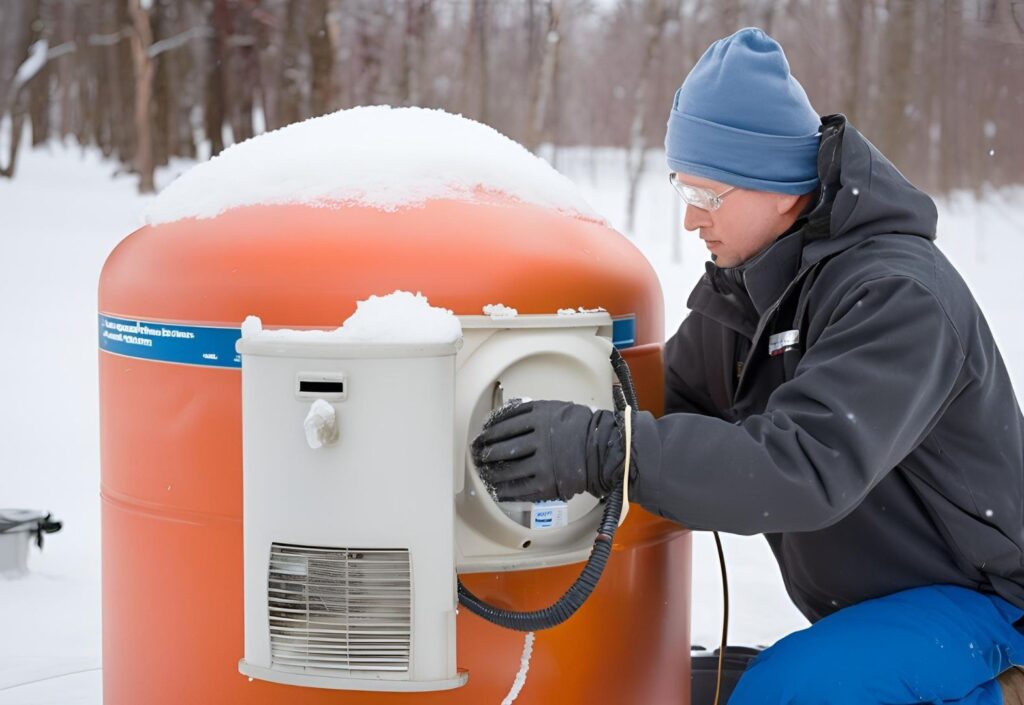
Have you ever gone to use your propane tank only to find it covered in a layer of frost? You’re not alone.
This common issue leaves many scratching their heads and wondering what went wrong. But don’t worry, you’re about to uncover the mystery behind why your propane tank freezes. Understanding the reasons can save you time, prevent mishaps, and maybe even save you money.
So, if you’re tired of dealing with icy tanks and interrupted plans, keep reading. You’ll discover not only why this happens but also how to prevent it, ensuring your propane tank works smoothly when you need it most. Stay tuned, because mastering this knowledge could change the way you use propane forever.
How Propane Tanks Work
Understanding how propane tanks work is key to figuring out why they sometimes freeze. At first glance, a propane tank might seem like a simple metal container. However, the way it stores and releases propane involves physics that directly affect its performance, especially in cold conditions.
Propane Storage Basics
Propane tanks store propane in both liquid and gas forms. Inside the tank, propane is mostly liquid under pressure. This liquid propane vaporizes into gas when you use it, providing the fuel for your appliances.
The tank is designed to keep propane in liquid form by maintaining enough pressure. As you use propane, liquid turns into gas to fill the space above it. This process cools the tank, which can sometimes lead to freezing.
Pressure And Temperature Relationship
Propane pressure inside the tank depends directly on temperature. When the temperature drops, the pressure inside the tank decreases too. This means less propane gas is available for your appliances.
Have you noticed your propane-powered devices struggling more on cold days? That’s because low temperature lowers the tank’s pressure. When the pressure falls too much, the propane doesn’t vaporize well, causing the tank surface to feel cold or even freeze.
This relationship explains why your propane tank might freeze in winter or during heavy use. The more propane you use quickly, the more the liquid must vaporize, cooling the tank further. Understanding this can help you manage your propane use better to avoid freezing issues.

Credit: www.youtube.com
Common Causes Of Freezing
Propane tanks can freeze under certain conditions. Understanding common causes helps prevent this issue. Freezing stops the propane from flowing correctly. This can disrupt heating or cooking appliances that rely on propane. Several factors contribute to the tank freezing.
Low Ambient Temperatures
Cold weather directly affects propane tanks. When temperatures drop below freezing, the tank surface can get very cold. Propane inside the tank also cools down. This slows down the pressure inside the tank. Low pressure can cause the tank to freeze, especially if it stays cold for long periods.
Rapid Fuel Withdrawal
Using propane quickly causes the tank to cool rapidly. This happens because propane changes from liquid to gas inside the tank. The process absorbs heat, cooling the tank surface. If fuel is withdrawn faster than heat can enter the tank, freezing happens. This is common with high-demand appliances or multiple devices running at once.
Moisture Contamination
Water inside the propane system can cause freezing. Moisture can enter during refills or through leaks. When water freezes, it blocks the valves or regulators. Ice buildup stops propane flow. It is important to keep the tank and connections dry and well-maintained to avoid this problem.
Signs Of A Frozen Propane Tank
Recognizing the signs of a frozen propane tank is essential for maintaining safety and ensuring your appliances work smoothly. A frozen tank can disrupt your gas supply and even pose risks if left unnoticed. Knowing what to look for helps you act quickly and avoid bigger problems.
Frost Or Ice Buildup
One of the clearest signs of a frozen propane tank is visible frost or ice on the tank’s surface. This usually appears as a thick layer of white frost, especially around the valve or regulator. If you notice this, it means the propane inside is too cold and may not flow properly.
Reduced Gas Flow
Have you experienced your heater or stove suddenly losing power or burning weakly? This can happen when the propane flow slows down due to freezing inside the tank. If your appliances aren’t getting enough gas, it’s a strong indicator your propane tank might be frozen.
Unusual Noises
Listen closely when using your propane appliances. Strange hissing or popping sounds can signal pressure issues caused by ice blocking the flow. These noises often mean the tank isn’t functioning normally and needs attention before it worsens.
Simple Fixes To Thaw Your Tank
Dealing with a frozen propane tank can be frustrating, especially when you need it most. Luckily, there are simple fixes that can help you thaw your tank quickly and safely. These practical steps can get your propane flowing again without the need for expensive repairs or replacements.
Moving To A Warmer Location
One of the easiest ways to thaw your propane tank is to move it to a warmer spot. If your tank is outside, try bringing it indoors or to a sheltered area where temperatures are higher.
Even placing the tank near a heat source, like a warm garage or a sunny window, can make a noticeable difference. Have you noticed how quickly ice melts on a sunny day? The same principle applies here.
Slowing Down Fuel Usage
Using propane too quickly can cause your tank to freeze because the rapid gas flow cools the tank surface. Try reducing your appliance’s propane demand to slow the fuel usage.
For example, lower the flame on your grill or use fewer burners at once. This simple change helps prevent the tank from getting too cold and freezing again.
Checking For Moisture
Moisture inside your propane system can cause ice buildup, leading to freezing issues. Check your tank and connections for any signs of water or condensation.
If you find moisture, dry the area thoroughly and consider using a propane filter to reduce water buildup. Have you ever thought about how a small amount of water can cause big problems in your propane tank?
Preventing Future Freezing
Preventing your propane tank from freezing helps keep your appliances running smoothly. Cold weather makes propane tanks prone to ice buildup. Taking steps to avoid freezing protects your tank and ensures steady fuel flow. Simple actions can make a big difference in freezing conditions.
Proper Tank Maintenance
Check your propane tank regularly for damage or leaks. Clean dirt and debris off the tank surface. Keep valves and connections tight and free from rust. Replace old or worn parts on time. Proper maintenance helps your tank work efficiently and avoid freezing issues.
Using Insulation Wraps
Wrap your propane tank with insulation to keep cold out. Use special propane tank blankets or foam wraps. Insulation keeps the tank warmer and prevents ice buildup. Secure the wrap tightly but leave space for ventilation. This simple step reduces the risk of freezing in winter.
Regular Refills
Keep your propane tank full to reduce freezing chances. A nearly empty tank cools faster and freezes more easily. Schedule refills before the tank level gets too low. Regular refills keep the fuel flowing and avoid interruptions caused by ice.

Credit: www.reddit.com
When To Call A Professional
Knowing when to call a professional for a freezing propane tank is important. Some problems need expert help to prevent danger and damage. Ignoring these signs can lead to costly repairs or unsafe situations.
Persistent Freezing Issues
If your propane tank freezes repeatedly, it means there is a bigger problem. Simple fixes won’t solve it. A professional can check the tank and the regulator to find the root cause. They have tools to fix the problem safely and quickly.
Safety Concerns
Propane tanks hold flammable gas under pressure. Freezing can cause leaks or pressure build-up. Any unusual smell, hissing sound, or frost on valves needs immediate expert attention. Professionals know how to handle these risks without harm to you or your home.
Tank Damage Signs
Cracks, dents, rust, or corrosion on your propane tank increase freezing risks. These damages reduce the tank’s strength and safety. A professional can inspect the tank’s condition and advise if repair or replacement is needed. Acting fast can avoid accidents.

Credit: centralpennpropane.com
Frequently Asked Questions
Why Does My Propane Tank Freeze In Cold Weather?
Propane tanks freeze because liquid propane absorbs heat during vaporization. In cold weather, this heat absorption can drop the tank temperature below freezing, causing frost or ice to form on the tank surface.
Can A Frozen Propane Tank Still Provide Gas?
A frozen propane tank may not deliver gas efficiently. Ice buildup restricts propane vapor flow, reducing pressure. This can cause appliances to malfunction or stop working until the tank warms up.
How Can I Prevent My Propane Tank From Freezing?
Keep your propane tank full to reduce freezing risk. Store the tank in a sheltered, well-ventilated area away from extreme cold. Using a propane tank heater or insulating the tank also helps prevent freezing.
Is It Dangerous If My Propane Tank Freezes?
A frozen propane tank is generally not dangerous, but it can disrupt gas flow. Never try to remove ice with flames or heat sources, as it can lead to accidents or tank damage.
Conclusion
Propane tanks freeze because cold affects pressure inside. When pressure drops, the tank may stop working well. Keep tanks away from snow and ice buildup. Store tanks in a cool, dry place with good airflow. Regularly check for leaks or damage to stay safe.
Knowing why tanks freeze helps prevent problems during winter. Stay prepared and enjoy reliable propane use all year.