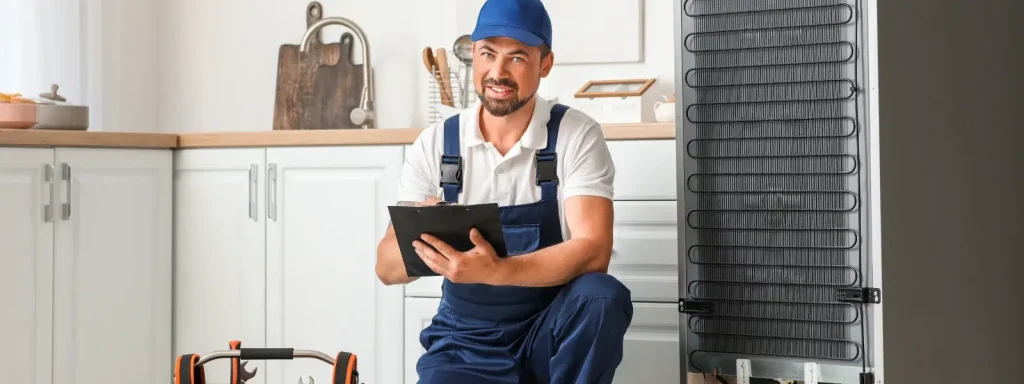
You open your refrigerator and notice a small puddle forming at the bottom. It’s not a pleasant sight, and you might find yourself wondering, “Why does my refrigerator drip water inside?”
This common issue can be frustrating, especially if it leads to spoiled food or a messy cleanup. But don’t worry; you’re not alone, and there’s a reason this happens. We’ll uncover the mystery behind the dripping water inside your fridge and explore simple solutions to keep your appliance running smoothly.
Stay with us as we dive into the causes and fixes, so you can enjoy a hassle-free kitchen experience.
Common Causes Of Refrigerator Dripping
Noticing water dripping inside your refrigerator can be frustrating and confusing. Understanding the common causes helps you fix the problem before it worsens. Let’s look at the main reasons why your fridge might be leaking water inside.
Clogged Defrost Drain
The defrost drain removes water created during the automatic defrost cycle. If this drain gets clogged with food particles or ice, water backs up and drips inside the fridge. Have you checked if water pools at the bottom or near the back wall? Clearing the drain with warm water or a pipe cleaner often solves this quickly.
Damaged Door Seal
A worn or cracked door seal lets warm, moist air enter the fridge. This causes excess condensation, which can turn into dripping water inside. You might notice frost buildup or the door not closing tightly. Try pressing the seal firmly or replacing it if you see visible damage—it saves energy and stops leaks.
Blocked Drain Pan
The drain pan collects water that drips from inside and evaporates it over time. If this pan is blocked or overflowing, water can leak inside your fridge. Check underneath or at the back of your refrigerator for spills or dirt. Cleaning the pan regularly prevents water buildup and keeps your fridge dry.
Excessive Condensation
High humidity levels or frequent door openings cause condensation inside the fridge. This excess moisture can turn into water droplets and start dripping. Think about how often you open the door or if the fridge is near a heat source. Reducing humidity and limiting door openings helps control condensation.
Improper Temperature Settings
If your refrigerator temperature is set too low, it can cause frost and water buildup inside. On the other hand, if it’s too high, food may spoil and create moisture. Check your fridge’s recommended temperature—usually between 37-40°F (3-4°C)—to keep it balanced and prevent dripping.

Credit: www.angi.com
How To Locate The Source Of The Leak
Finding the exact spot where your refrigerator leaks water can save you time and prevent further damage. Start by examining areas that commonly cause leaks. Being thorough helps you avoid unnecessary repairs and keeps your fridge running smoothly.
Checking The Defrost Drain
The defrost drain is often the culprit behind water dripping inside your fridge. This drain carries melted ice to a pan underneath the unit. If it gets clogged with food debris or ice, water backs up and pools inside.
To check, locate the drain hole inside the freezer or refrigerator compartment, usually at the back or bottom. Use warm water or a pipe cleaner to clear any blockages you find. Have you noticed water pooling right under frozen foods? That’s a strong clue the defrost drain needs attention.
Inspecting The Door Gasket
The door gasket seals the fridge and keeps cold air in. If it’s worn out or dirty, warm air sneaks in and causes condensation to form inside. This can look like water dripping or pooling near the door edges.
Run your fingers along the gasket to feel for cracks or gaps. Clean it with warm, soapy water and check if the door closes tightly. If you spot any damage, replacing the gasket might stop the leak instantly.
Examining The Drain Pan
Water that drips inside your fridge should eventually collect in the drain pan underneath the unit. If this pan is cracked, overflowing, or misplaced, water can leak back inside your appliance.
Slide out the drain pan and inspect it carefully for cracks or excessive water. Sometimes, simply repositioning the pan or cleaning it can fix the leak. Have you ever lifted your fridge and noticed unexpected puddles underneath? That’s a sign to check this pan.
Monitoring Temperature And Humidity
High humidity or incorrect temperature settings can cause excess moisture inside your fridge. This moisture often appears as water droplets or puddles on shelves and drawers.
Use a fridge thermometer to ensure temperatures stay between 37°F and 40°F (3°C to 4°C). Also, try to keep the fridge door closed as much as possible to maintain stable humidity. Could adjusting these settings reduce the water buildup you see?
Quick Fixes For Refrigerator Dripping
If you notice water dripping inside your refrigerator, it’s more than just a minor annoyance. This issue can lead to spoiled food, unpleasant odors, and even costly repairs if ignored. Fortunately, many causes of dripping water are simple to fix with a little attention and the right approach.
Below are some practical fixes you can try yourself to stop that unwanted drip and keep your fridge running smoothly.
Unclogging The Defrost Drain
The defrost drain can easily get clogged with food particles or ice, causing water to pool inside your fridge instead of draining away. To fix this, locate the drain hole usually found at the back or bottom of the fridge compartment.
Use warm water mixed with a little baking soda and flush the drain with a turkey baster or a small funnel. This often clears the blockage and stops the dripping quickly.
Replacing Or Repairing Door Seals
Worn or damaged door seals let warm air in, causing condensation and water buildup inside your refrigerator. Check the seals for cracks or tears by pressing them against a piece of paper—if it slips out easily, the seal isn’t tight enough.
You can clean the seals with warm soapy water to remove dirt that affects their grip. If cleaning doesn’t help, replacing the seals can make a huge difference in stopping water leaks.
Cleaning The Drain Pan
The drain pan collects water that drips during the defrost cycle. If it gets dirty or cracked, water might overflow and drip inside the fridge.
Pull out the drain pan from underneath the unit, clean it thoroughly with soap and water, and check for any damage. Placing it back correctly ensures water drains as it should without causing leaks.
Adjusting Temperature Settings
Incorrect temperature settings can cause excessive condensation inside your fridge. If it’s too cold, frost builds up and melts into water; if it’s too warm, moisture forms on surfaces.
Set your refrigerator temperature between 37°F and 40°F (3°C to 4°C) and the freezer at 0°F (-18°C). Adjusting these settings often balances moisture levels and stops dripping problems.
Have you checked your fridge’s temperature recently? Small tweaks can prevent water buildup and save you hassle down the line.

Credit: www.reddit.com
Preventive Measures To Avoid Future Drips
Preventing water drips inside a refrigerator requires simple and regular care. Keeping the fridge dry saves energy and avoids food spoilage. Small daily habits help maintain an efficient appliance and stop drips before they start.
Regular Maintenance Tips
Clean the drip pan often to remove water buildup. Check and clear the defrost drain from blockages. Wipe any moisture from shelves and walls. Keep the fridge temperature between 37°F and 40°F for proper cooling. Avoid overloading to allow good air circulation inside.
Proper Food Storage Practices
Cover liquids and moist foods tightly to stop spills. Store items in sealed containers to limit moisture release. Do not place hot food directly inside; let it cool first. Arrange foods to allow cold air to flow freely. Avoid placing large amounts of fresh produce at once.
Keeping Door Seals Clean
Wipe door seals regularly with a damp cloth. Remove dirt and sticky residues that affect sealing. Check seals for cracks or tears and replace if damaged. Ensure doors close firmly and stay shut. Proper seals keep cold air inside and prevent condensation.
Scheduling Professional Checkups
Book annual inspections with a refrigeration expert. Technicians can detect hidden leaks or faults early. They clean coils and check refrigerant levels. Professionals ensure the fridge runs smoothly and efficiently. Early repairs save money and avoid water problems.

Credit: www.reddit.com
Frequently Asked Questions
Why Is My Refrigerator Leaking Water Inside?
Water leaks inside due to clogged or frozen defrost drain tubes. Condensation can also cause dripping if the door seal is faulty. Regular cleaning and checking seals help prevent water buildup.
How Does A Clogged Defrost Drain Cause Dripping?
A clogged drain blocks melting water from exiting the fridge. This water accumulates and drips inside the refrigerator compartment. Clearing the drain with warm water or a pipe cleaner usually fixes this issue.
Can A Broken Door Seal Cause Water Inside?
Yes, a faulty door seal lets warm air enter the fridge. This causes excess condensation that drips inside. Replacing or repairing the seal stops moisture buildup and water dripping.
How Often Should I Clean My Refrigerator Drain?
Clean the defrost drain every 3 to 6 months. This prevents blockages that cause water leaks inside. Regular maintenance keeps your refrigerator functioning properly and avoids water damage.
Conclusion
A dripping refrigerator can signal small issues inside. Check door seals and drain holes for blockages. Clean the drip pan regularly to avoid spills. Keep the fridge at the right temperature to stop water buildup. Fix problems early to save money and food.
A little care keeps your fridge working well. Don’t ignore water drops—they tell you something needs attention. Simple steps can stop the drip and keep food fresh. Easy to do and worth the effort.