Have you ever opened your refrigerator, only to find your lettuce turned into a block of ice, or your milk transformed into a frosty beverage? It’s frustrating when your fridge, meant to keep your food fresh, starts freezing it instead.
Not only does it waste food, but it also leaves you puzzled and wondering what went wrong. You’re not alone. Many people face this chilling dilemma and are left searching for answers. Understanding why your refrigerator freezes food is the first step in solving this frosty problem.
We’ll unravel the mystery behind your fridge’s icy tendencies and guide you on how to fix it, ensuring your food stays just as fresh as you expect. Stick around to discover the simple solutions that can save you time, money, and the disappointment of ruined groceries.

Credit: oakvalleyappliance.com
Common Causes Of Freezing Food
Freezing food in your refrigerator can be frustrating, especially when you find fresh produce or leftovers turned into icy blocks. Understanding the common causes behind this problem helps you fix it quickly and keep your food fresh. Let’s look at some frequent reasons why your refrigerator might be freezing food unexpectedly.
Thermostat Set Too Low
Your refrigerator’s thermostat controls the temperature inside. If it’s set too low, the fridge can get colder than necessary, causing food to freeze. Try adjusting the thermostat to a slightly higher setting and monitor if the freezing stops.
Blocked Air Vents
Air vents circulate cold air evenly throughout your fridge. When these vents are blocked by food items or containers, cold air can concentrate in one spot, freezing food nearby. Make sure there’s enough space around items and the vents stay clear.
Faulty Door Seal
A door seal that doesn’t close properly lets cold air escape and warm air enter. This can cause the fridge to overcompensate by cooling more, freezing your food. Check your door gasket for cracks or gaps and replace it if needed.
Malfunctioning Temperature Sensor
The temperature sensor tells the fridge how cold it should be inside. If this sensor malfunctions, it may give wrong readings and cause overcooling. If you notice inconsistent temperatures or freezing despite correct settings, have a technician test the sensor.
Overfilled Refrigerator
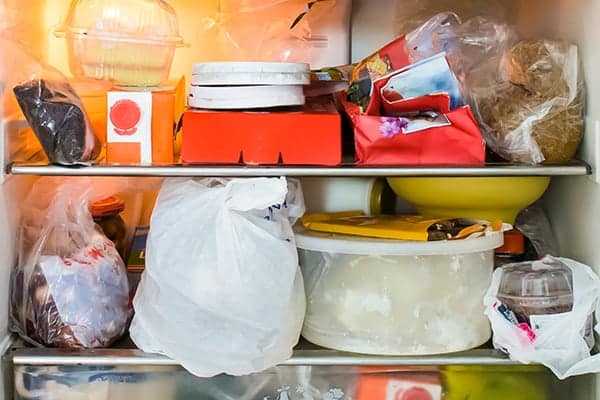
Stuffing your fridge too full can block airflow and disrupt the cooling cycle. This leads to uneven temperatures and some items freezing. Keep your fridge organized and avoid cramming in too many items at once to maintain proper air circulation.

Credit: oakvalleyappliance.com
How Freezing Affects Food Quality
Freezing food in your refrigerator might seem like a great way to keep it fresh longer, but it can actually change the food in several ways. Understanding how freezing affects food quality helps you make smarter choices about storage and meal planning. These changes can impact the texture, nutrients, and taste of your food, sometimes in surprising ways.
Texture Changes
Freezing causes ice crystals to form inside the food. These crystals can puncture cell walls, leading to a softer or mushier texture once the food thaws. Have you ever noticed how frozen berries or lettuce feel different after thawing? That’s the ice damaging the structure.
Meat and fish often lose their firmness too, which might affect your cooking results. If texture matters for your recipe, you may want to avoid freezing or freeze food quickly to minimize crystal size.
Nutrient Loss
Freezing slows down nutrient loss but doesn’t stop it entirely. Vitamins like C and B can break down gradually over time in the freezer. If your food stays frozen for months, you might not get the same nutritional value as fresh options.
Think about how you store your food. Using airtight containers or vacuum sealing can help reduce nutrient loss by limiting exposure to air. This small step can make a big difference in keeping your meals healthy.
Taste Alterations
Freezing can dull the flavor of many foods. Ice crystals can cause water to leak out when thawed, washing away some of the natural taste. Ever had frozen bread that seemed bland compared to fresh? That’s a common example.
Some foods develop off-flavors if they are stored too long or not wrapped properly. Have you ever noticed a strange smell in your frozen meals? It’s often freezer burn, which can ruin the taste and texture.
Simple Fixes To Prevent Freezing
Freezing food in your refrigerator can be frustrating, especially when fresh produce or leftovers end up with icy edges. Luckily, there are simple fixes you can try at home to stop your fridge from turning everything into a mini freezer experiment. Let’s look at some straightforward ways to keep your food cool without freezing it.
Adjusting The Thermostat
Your refrigerator’s thermostat controls the internal temperature. If it’s set too low, your food will freeze. Try raising the temperature slightly and check if that prevents freezing without making your fridge too warm.
Many people don’t realize their fridge setting might be too cold. Have you checked your thermostat lately? Small adjustments can make a big difference.
Clearing Air Vents
Blocked air vents can cause cold air to concentrate in one area, leading to frozen spots. Make sure vents inside the fridge are clear of food or containers.
Keeping vents open helps cold air flow evenly. Have you noticed any blocked vents in your fridge? Clearing them can improve overall temperature balance.
Replacing Door Seals
Worn-out or damaged door seals let cold air escape and cause your fridge to work harder. This can lead to inconsistent temperatures and freezing.
Check the rubber seals around your fridge door for cracks or gaps. Replacing faulty seals can save energy and keep your fridge temperature steady.
Checking Temperature Sensors
Temperature sensors tell your fridge when to cool and when to stop. If a sensor malfunctions, the fridge might overcool and freeze food.
If your fridge is freezing food despite thermostat adjustments, consider testing or replacing the sensors. This can solve unexpected freezing issues quickly.
Organizing Food Properly
Placing food too close to cooling elements causes it to freeze. Keep items a few inches away from vents and the back wall.
Organize your fridge with airflow in mind. Have you tried rearranging your shelves and food placement to prevent freezing? It often helps maintain an even temperature throughout.
When To Call A Professional
Knowing when to call a professional can save time and money. Some refrigerator problems need expert help for proper repair. Attempting fixes without experience may cause more damage.
Persistent issues with your fridge’s temperature often signal deeper problems. A professional has the tools to diagnose and solve these accurately. They ensure your fridge works efficiently again.
Persistent Temperature Issues
If your refrigerator keeps freezing food despite adjusting settings, it needs expert attention. Continuous temperature problems can harm your food and increase energy bills. A technician can check sensors, thermostats, and control boards to find the cause.
Complex Component Failures
Issues like a broken defrost timer, faulty temperature control, or compressor problems require special skills. These parts are hard to repair without training. Calling a professional avoids further damage and ensures safe, correct repairs.
Safety Concerns
Electrical parts in refrigerators can be dangerous to handle. Professionals have the knowledge to work safely with electrical components. Avoid risks like shocks or fires by letting an expert manage complicated repairs.
Credit: www.electrolux.in
Frequently Asked Questions
Why Does My Refrigerator Freeze Fresh Food Sometimes?
Your fridge might be set too cold or the thermostat could be faulty. Cold air circulation can also cause freezing. Adjust the temperature to 37-40°F and check the thermostat for accuracy. Proper airflow management prevents food from freezing.
How Can I Prevent My Fridge From Freezing Food?
Keep the fridge temperature between 37-40°F. Avoid placing food near the cooling vents. Regularly check door seals and avoid leaving the door open too long. Proper organization and maintenance help maintain consistent temperature and prevent freezing.
Does A Faulty Thermostat Cause Food Freezing?
Yes, a faulty thermostat can cause incorrect temperature settings. It may cool the fridge too much, freezing your food. Testing and replacing the thermostat can resolve temperature regulation issues and prevent freezing.
Can Blocked Vents Cause My Fridge To Freeze Food?
Blocked vents restrict airflow, causing cold spots that freeze food. Keep vents clear of obstructions and food items. Proper air circulation inside the fridge maintains even temperatures and prevents freezing.
Conclusion
A freezing refrigerator can spoil your food quickly. Check the temperature settings first. Too cold can cause freezing. Also, see if the thermostat works well. Air vents blocked? That can cause uneven cooling. Keep items away from the back wall.
That stops cold air from freezing food. Regular cleaning helps the fridge run smoothly. Small fixes save money and reduce waste. Stay aware and adjust settings as needed. Your food will stay fresh and safe. Simple steps make a big difference.