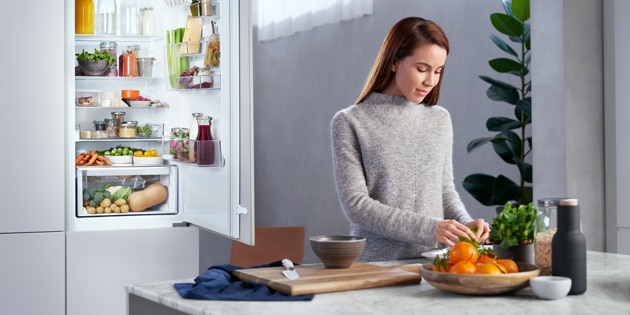
Have you ever opened your fridge only to find your fresh fruits or leftovers frozen solid? It’s frustrating when your food turns into icy blocks instead of staying fresh and tasty.
You might be wondering, “Why does my refrigerator freeze my food? ” Understanding the reasons behind this common problem can save you money, reduce food waste, and keep your meals just the way you like them. Keep reading, and you’ll discover simple fixes that anyone can do to stop your fridge from turning your food into an unwanted freezer surprise.
Credit: www.plazaappliancemart.com
Common Freezing Issues
Noticing your food freezing inside the refrigerator can be frustrating and puzzling. This issue often stems from common problems that disrupt the appliance’s cooling balance. Understanding these issues helps you fix them quickly and keep your food fresh.
Temperature Setting Problems
Your refrigerator’s temperature might be set too low. Many people accidentally set the thermostat below the recommended range of 37°F to 40°F (3°C to 4°C). This causes the fridge to overcool and freeze items that should only stay chilled.
Try adjusting the temperature slightly higher and check if your food stops freezing. Have you ever noticed your fridge’s dial turned down without realizing it? That simple change can make a big difference.
Faulty Thermostat
If your fridge’s temperature setting looks correct but freezing continues, the thermostat might be faulty. A broken thermostat can send wrong signals, making the cooling system run nonstop.
Replacing or repairing the thermostat often solves the problem. Consider testing your thermostat with a multimeter or calling a technician if you’re unsure. Have you experienced a fridge that just won’t stop cooling no matter what you do?
Blocked Air Vents
Air vents inside the refrigerator circulate cold air evenly. When these vents get blocked by containers or food items, cold air can build up in one area, freezing the food nearby.
Keep vents clear and avoid overpacking your fridge to maintain proper airflow. Have you ever stuffed your fridge so full that air can’t move around? That might be why some items freeze while others don’t.
Impact Of Door Seals
Door seals play a crucial role in keeping your refrigerator working properly. These seals stop cold air from escaping. They also keep warm air from entering. If the door seals are damaged or not closing right, the refrigerator may freeze your food. This happens because the appliance tries to keep the temperature steady.
Damaged seals can cause the fridge to run too cold. This makes some parts freeze, including your food. Understanding the impact of door seals helps in spotting problems early. It can save your food and energy costs.
Worn-out Gaskets
Gaskets are the rubber strips around the fridge door. They create an airtight seal when the door closes. Over time, gaskets can become cracked or brittle. Dirt and grime can also build up on them. This weakens the seal and lets cold air escape.
When gaskets wear out, the fridge works harder to stay cold. This can lead to overcooling and freezing of food. Check gaskets regularly for cracks or damage. Clean them gently with warm, soapy water to keep them flexible.
Improper Door Closure
Sometimes the fridge door does not close fully. This can happen if something blocks it or if the door is misaligned. Even a small gap lets warm air inside. The refrigerator then cools more to compensate.
Improper closure causes uneven temperatures. Cold spots form near the door, freezing food in those areas. Make sure nothing inside blocks the door. Adjust the door hinges if it does not close tightly.
Role Of Defrost System
The defrost system stops ice buildup inside the fridge. Without it, frost can block air flow and cause food to freeze. Proper defrosting keeps temperatures steady and food fresh.
The defrost system in your refrigerator plays a crucial role in maintaining the optimal temperature and preventing your food from freezing unexpectedly. This system ensures that frost build-up is melted away, keeping the refrigerator functioning efficiently. When it malfunctions, it can cause your refrigerator to freeze your food, leading to frustrating spoilage and waste.Defrost Timer Malfunctions
The defrost timer is responsible for cycling between cooling and defrosting modes. If it gets stuck in the cooling mode, your refrigerator could turn into a mini freezer. Imagine waking up to find your fresh produce turned into icy blocks. Check the timer for any irregularities. A simple reset might sometimes resolve the issue, or it might need replacement if the problem persists.Heater And Sensor Failures
The defrost heater melts away any frost accumulated on the evaporator coils. If it fails, frost can build up, causing the cooling system to overcompensate and freeze your food. Have you ever noticed ice crusting on the back of your refrigerator? It might be a sign of a heater issue. Sensors in the defrost system monitor temperature changes. A faulty sensor can misread temperatures, leading the system to overcool. Regular maintenance can help identify these failures before they cause chaos in your kitchen. By understanding the role of the defrost system, you can take proactive steps to ensure your refrigerator works effectively. Are you ready to tackle these issues head-on to save your food from an icy fate?Effects Of Overloading
Overloading a refrigerator causes several problems that lead to food freezing unexpectedly. Too many items inside block the normal flow of cold air. This disruption impacts how evenly your fridge cools. Understanding these effects can help avoid freezing food.
Restricted Air Circulation
Cold air needs space to move freely inside the fridge. Overcrowding blocks vents and air pathways. This blockage causes some areas to become too cold. Other parts may stay warmer than they should. Without proper airflow, the fridge cannot maintain a balanced temperature. Items near the blocked vents often freeze first.
Uneven Cooling
When air cannot circulate well, temperatures vary inside the fridge. Some shelves get colder than others. This uneven cooling causes certain foods to freeze. Meanwhile, other foods may not stay fresh. Uneven temperatures reduce the fridge’s efficiency and can spoil food faster. Organizing items properly helps keep temperatures steady everywhere.
Fixing Temperature Settings
Fixing temperature settings is often the first and easiest step to stop your refrigerator from freezing your food. Many refrigerators have temperature controls that are set too low by default or after accidental changes. Adjusting these settings to the right temperature can prevent your fruits, vegetables, and leftovers from turning into icy blocks.
Understanding The Ideal Refrigerator Temperature
Your refrigerator should be set between 35°F and 38°F (1.7°C and 3.3°C) to keep food fresh without freezing it. Temperatures below 32°F (0°C) cause freezing, especially near the back or bottom where cooling vents are strongest. Have you checked your fridge’s current temperature with a thermometer recently? It’s a simple step that many overlook.
How To Adjust Your Refrigerator Temperature Settings
Most refrigerators have a dial or digital panel to change the temperature. If you see numbers, lower numbers often mean warmer temperatures, and higher numbers mean colder. Start by raising the setting slightly if you find your food is freezing. Remember to wait 24 hours after adjusting before checking results; temperature changes take time to stabilize.
Using Temperature Zones To Your Advantage
Some refrigerators have multiple zones with different temperature controls. These zones can vary from a crisper drawer to a deli compartment. Use these sections wisely—store sensitive items like leafy greens in the warmer zones and frozen goods in colder areas. Are you placing your food in the right part of your fridge?
When To Call A Professional
If your fridge temperature settings are correct but your food still freezes, the thermostat or temperature sensor might be faulty. A professional technician can diagnose and fix these issues. Don’t let a small problem turn into a costly repair; getting expert help early saves you both food and money.

Credit: oakvalleyappliance.com
Replacing Faulty Parts
Replacing faulty parts often solves the problem of a refrigerator freezing food. Some parts wear out over time and cause temperature issues. Fixing or changing these parts helps keep food fresh and safe. Two common parts to check are the thermostat and door seals.
Thermostat Replacement
The thermostat controls the fridge’s temperature. A broken thermostat can make the fridge too cold. This causes food to freeze unexpectedly.
Replacing the thermostat is a simple fix. Turn off the power before starting. Remove the old thermostat carefully. Install a new one that matches the model. Test the fridge to ensure proper cooling.
Fixing Door Seals
Door seals keep cold air inside the fridge. Damaged seals let cold air escape and cause uneven cooling. This can lead to parts of the fridge freezing food.
Check the seals for cracks or tears. Clean the seals with warm, soapy water to remove dirt. Replace seals if they are worn out or broken. Proper sealing keeps temperature stable and food fresh.
Maintaining Proper Airflow
Proper airflow inside your refrigerator helps keep food fresh and prevents freezing. Air moves cold air evenly to all areas. If airflow is blocked, some spots get too cold and freeze food. Maintaining good airflow avoids this problem.
Clearing Vents
Vents allow cold air to travel inside the fridge. Blocked vents stop air from moving properly. Food or containers placed too close can block these vents. Check vents regularly and remove any items blocking them. Clean vents gently to keep air flowing freely.
Avoiding Overpacking
Overpacking reduces space for air to move. Crowded shelves trap cold air in certain spots. This causes uneven cooling and freezing. Leave space between items to let air circulate. Organize food so air can flow around all containers.

Credit: oakvalleyappliance.com
Frequently Asked Questions
Why Does My Fridge Freeze Food Unexpectedly?
Your refrigerator may freeze food due to incorrect temperature settings or faulty thermostat. Overcooling causes ice crystals to form on food. Adjust the temperature to the recommended range (37-40°F) and check the thermostat for proper function to avoid freezing.
How Can I Prevent My Fridge From Freezing Food?
To prevent freezing, set the fridge temperature between 37°F and 40°F. Avoid placing food near cooling vents. Keep the fridge door closed to maintain stable temperature. Regularly clean the coils and ensure proper airflow inside the fridge.
Is A Faulty Thermostat Causing My Fridge To Freeze Food?
Yes, a faulty thermostat can cause your fridge to freeze food. It may send incorrect signals, making the compressor run too long. This results in excessively cold temperatures inside. Replacing or repairing the thermostat can fix this issue and protect your food.
Can Blocked Air Vents Freeze Food In My Refrigerator?
Blocked air vents restrict cold air circulation, causing uneven cooling. This can lead to freezing in some areas and warming in others. Keep vents clear of food items to ensure proper airflow and consistent temperature throughout the fridge.
Conclusion
A freezing refrigerator can spoil your food quickly. Check the temperature settings first. Avoid placing food too close to the cooling vents. Keep your fridge door closed as much as possible. Clean the fridge regularly to keep airflow smooth. Small fixes can stop your food from freezing.
Watch your fridge for signs of trouble. Taking these steps helps keep your food fresh. Your fridge should cool, not freeze, your food. Stay aware and protect your groceries every day.