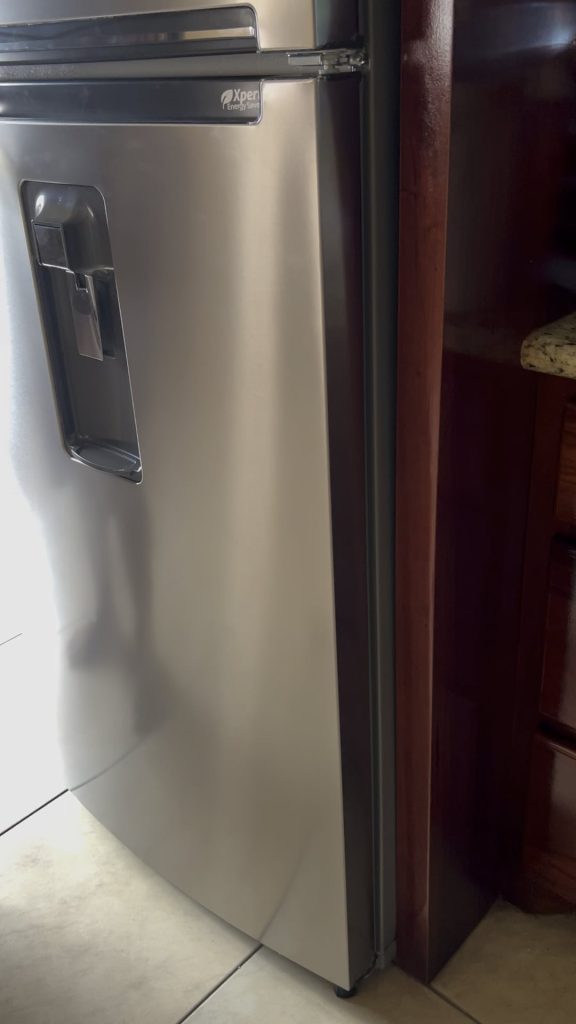
Is your refrigerator making a mysterious knocking noise? You’re not alone.
Many homeowners face this puzzling sound, which can be both annoying and worrisome. You might find yourself wondering if it’s a sign of an impending breakdown or if it’s just a harmless quirk. The truth is, a knocking noise from your fridge can stem from several causes, some of which may need immediate attention, while others might be simple fixes you can handle yourself.
We’ll unravel the mystery behind that unsettling sound, guiding you through the potential reasons your refrigerator is acting up. Understanding these causes will not only help you maintain peace of mind but also ensure your fridge continues to run smoothly. Stick with us, and by the end, you’ll know exactly what steps to take to silence that knocking once and for all.
Common Causes Of Knocking Noise
If your refrigerator is making a knocking noise, it can be both confusing and concerning. Understanding the common causes of this sound helps you decide if it’s something you can fix or if you need professional help. Let’s look at the main reasons why your fridge might be knocking and what you can do about it.
Compressor Issues
The compressor is the heart of your refrigerator. When it struggles to start or run smoothly, it can produce knocking sounds. This often happens if the compressor’s internal parts are worn or if there’s a problem with the electrical components.
Have you noticed the noise gets louder when the fridge cycles on? That’s a key sign the compressor may be involved. Ignoring this can lead to bigger problems and costly repairs.
Fan Problems
Fans inside your fridge help circulate air to keep everything cool. If a fan blade is loose, damaged, or hitting something, it can create a knocking or tapping noise. Dirt and debris can also cause the fan to wobble and knock against its housing.
Try opening your fridge and listening carefully near the vents. Can you hear the knocking when the fan runs? Cleaning the fan or tightening loose parts might stop the noise quickly.
Water Inlet Valve Noise
The water inlet valve controls water flow into your fridge for ice making and water dispensing. If it malfunctions, it can make knocking or buzzing noises when filling. Pressure changes in your home’s water supply can also cause this sound.
Does the knocking occur mostly after the fridge fills with water? That could point to the valve. Checking water pressure and valve condition might help reduce the noise.
Ice Maker Malfunctions
An ice maker that’s not working right can produce knocking sounds as it tries to fill or eject ice cubes. Sometimes, ice cubes get stuck or the ejector arm hits the ice tray incorrectly. This creates repeated knocking noises inside the freezer.
If your ice maker makes noise during its cycle, try removing the ice and checking for blockages. Adjusting or repairing the ice maker may be necessary to stop the knocking.
Loose Or Worn Parts
Over time, parts inside your refrigerator can loosen or wear out. Screws, brackets, or panels vibrating against each other often cause knocking sounds. Even the fridge itself can shift slightly, making contact noises.
Have you checked if something inside the fridge is rattling or if the fridge is level? Tightening screws, securing panels, or adjusting the fridge’s position might be all you need to fix the knocking.
Identifying The Source Of The Noise
Tracking down the source of a knocking noise in your refrigerator can save you time and money. Identifying where the sound comes from helps you decide if it’s a quick fix or a call for professional help. Let’s break down how you can pinpoint the exact origin of that annoying knock.
Listening Techniques
Start by standing close to your fridge with the door closed. Try to isolate the noise by turning off other appliances or background sounds in your home.
Use a simple tool like a cardboard tube or a paper towel roll as a makeshift stethoscope. Place one end near the fridge’s surface and the other to your ear to better detect where the knocking is loudest.
Does the noise happen continuously or only at certain times? Noticing patterns can guide you to the right component.
Checking Compressor And Fans
The compressor is the heart of your fridge and often the source of strange noises. Listen closely near the back lower area where the compressor sits.
Fans can also produce knocking if their blades hit debris or if the motor is failing. Check if the fan blades spin freely and if there’s any dust or dirt buildup causing imbalance.
Try gently pushing the fan blades to see if the noise changes or stops. This simple test can reveal if the fan needs cleaning or replacement.
Inspecting Ice Maker And Water Valve
If your fridge has an ice maker, it might be the culprit. Knocking sounds can come from the ice tray filling with water or the mechanical parts moving.
Listen when the ice maker cycles on. Is the noise coming from the side or back of the fridge where the ice maker is installed?
Don’t forget the water valve. A faulty valve can create knocking or banging sounds when water pressure fluctuates. Check for any leaks or unusual vibrations around the valve.
Examining Internal Components
Open your fridge and listen carefully inside. Sometimes internal parts like shelves or the drip pan can cause knocking if they’re loose.
Look for any objects that might be vibrating against the walls or back panel. Even a slight misalignment can create noise when the fridge cycles.
Try gently pushing shelves and other removable parts to see if the knocking stops. Securing loose components is often a quick fix.
Quick Fixes For Knocking Sounds
If your refrigerator is making a knocking noise, it’s often a sign that something needs a quick adjustment or a bit of maintenance. These sounds can be annoying, but many times, you can fix them yourself without calling a repair service. Let’s look at some practical ways to stop those knocking sounds fast.
Tightening Loose Parts
Loose parts inside or outside your fridge can cause knocking noises when the compressor or fans run. Check the screws and bolts around the back panel and inside compartments. Use a screwdriver to tighten any parts that feel wobbly—you’ll often find this simple fix stops the noise immediately.
Cleaning And Defrosting
Dirt and ice buildup can interfere with your refrigerator’s fans and motors, causing knocking sounds. Clean the coils and vents regularly to keep airflow smooth and clear. If you notice ice forming inside, defrost your fridge completely; this can release stuck components and eliminate the noise.
Adjusting Refrigerator Level
Is your refrigerator sitting unevenly? An unlevel fridge can cause parts to vibrate or knock against each other. Use a level tool to check and adjust the fridge’s feet until it sits perfectly flat on the floor. This simple adjustment often stops the knocking sounds caused by movement.
Replacing Faulty Components
Sometimes, knocking noises come from worn-out parts like the fan motor or compressor mounts. If you’ve tightened and cleaned everything but the noise persists, inspect these components. Replacing faulty parts might seem challenging, but many brands offer easy-to-follow guides or you can get professional help to solve the problem for good.

Credit: www.allaustinrepairs.com
When To Call A Professional
Hearing a knocking noise from your refrigerator can be annoying, but it’s not always a sign of a serious problem. However, knowing when to call a professional can save you from bigger repairs and unexpected breakdowns. Here’s how to recognize the warning signs and what to do next.
Signs Of Serious Mechanical Issues
Sometimes, a knocking noise is more than just a minor glitch. If you notice the sound coming with other problems—like the fridge not cooling properly, water leaking inside or outside, or frequent cycling on and off—it’s time to take action.
Persistent knocking combined with these symptoms may indicate issues with the compressor, motor, or fan. Ignoring these signs can lead to costly repairs or spoilage of your food.
Safety Precautions
Before you attempt any fixes, unplug your refrigerator to avoid electrical hazards. Refrigerators have delicate components that can cause injury if handled improperly.
If you smell burning or see smoke, get professional help immediately. Never try to repair electrical parts unless you are confident and trained to do so.
Choosing A Reliable Technician
Finding the right professional can make all the difference. Look for technicians with good reviews and proper certifications.
Ask questions about their experience with your refrigerator brand and model. A reliable technician will explain the problem clearly and offer transparent pricing.
Have you ever hired a repair service that left you more confused? Don’t hesitate to seek a second opinion if you’re unsure.
Preventing Future Knocking Noises
Preventing future knocking noises in your refrigerator helps keep it running smoothly. Small actions can stop sounds before they start. Consistent care improves performance and extends the fridge’s life.
Regular Maintenance Tips
- Clean condenser coils every 6 months to avoid dust build-up.
- Check door seals for cracks and clean them to ensure tight closure.
- Defrost manually if your fridge doesn’t have an automatic defrost feature.
- Keep the fridge level to prevent vibrations and noise.
Proper Loading And Usage
- Do not overload shelves; heavy items can cause strain and noise.
- Distribute food evenly to avoid blocking vents or fans.
- Avoid placing hot items inside; this can stress the compressor.
- Close the door gently to prevent sudden movements and knocking sounds.
Routine Inspections
- Listen for unusual sounds weekly to catch problems early.
- Check fans and motors for dust or loose parts.
- Look under and behind the fridge for debris or damage.
- Schedule professional check-ups every year for thorough evaluation.

Credit: www.caringrealestate.com

Credit: highcityappliance.com
Frequently Asked Questions
Why Does My Refrigerator Make A Knocking Noise?
A knocking noise in your fridge often comes from the compressor or fan. It happens due to loose parts or ice buildup. Regular maintenance can prevent this. Check if the fridge is level and clean the coils to reduce noise.
Is A Knocking Noise Harmful To My Refrigerator?
Yes, persistent knocking may signal mechanical issues. Ignoring it can cause compressor damage or fan failure. Early detection helps prevent costly repairs. If noise continues, contact a professional technician for inspection.
How Can I Fix A Knocking Noise In My Fridge?
First, unplug the fridge and inspect for loose parts or ice buildup. Clean the condenser coils and ensure the fridge is level. If noise persists, call a qualified repair service to check the compressor and fan.
When Should I Call A Professional For Fridge Noise?
Call a technician if knocking noise lasts more than a few days. Also, seek help if the fridge stops cooling properly or makes loud, unusual sounds. Timely repair prevents further damage and extends appliance life.
Conclusion
A knocking noise in your refrigerator can cause concern. It often signals a simple issue, like a loose part or ice buildup. Regular cleaning and checking can stop the noise quickly. Ignoring it might lead to bigger problems later. Staying aware helps keep your fridge working well.
Small fixes save money and hassle. Keep your appliance in good shape for longer use. A quiet fridge means a happy kitchen.