
You’re in the kitchen, enjoying a quiet moment, when suddenly—pop! Your refrigerator makes a sound that jolts you to attention.
What’s going on inside that icy fortress? Is it a warning sign, or just your fridge’s way of keeping you on your toes? You’re not alone in wondering about these mysterious noises. Many people have heard that unsettling pop and immediately started imagining costly repairs.
But before you jump to conclusions, let’s dive into why your refrigerator might be making these sounds. Understanding the cause can save you time, money, and a lot of unnecessary stress. Stick with us, and you’ll gain the peace of mind that comes from knowing exactly what’s happening with your trusty kitchen companion.
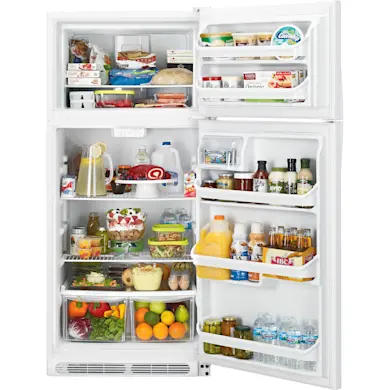
Credit: www.searspartsdirect.com
Common Causes Of Refrigerator Popping
Hearing popping sounds from a refrigerator can be unsettling. These noises usually point to common issues inside the appliance. Understanding these causes helps in finding the right fix quickly. The main reasons for refrigerator popping include electrical problems, compressor issues, and noises from the defrost cycle.
Electrical Issues
Loose wiring or faulty connections can create popping sounds. Electrical sparks or short circuits inside the fridge may cause these noises. Faulty capacitors that start the compressor motor can also pop. Checking the power supply and wiring can often solve the problem.
Compressor Problems
The compressor is the fridge’s heart and can make popping noises when it struggles. Overheating or worn-out compressor parts cause these sounds. Sometimes, the compressor starts or stops abruptly, creating a pop. Regular maintenance helps avoid compressor failure and noise.
Defrost Cycle Noises
The defrost cycle melts frost buildup inside the freezer. Water dripping on the defrost heater can cause popping sounds. Ice melting and cracking also produce similar noises. These sounds are normal but loud pops might signal a defrost system issue.
Impact Of Temperature Fluctuations
Temperature changes inside a refrigerator cause materials to shift and move. This movement creates small noises, like popping sounds. Understanding how temperature affects these parts helps explain why your fridge makes these noises.
Expansion And Contraction
Materials inside the fridge expand when warm air enters. They contract as the temperature cools down. This constant change causes parts to move slightly. Plastic, metal, and glass all react differently to temperature swings. The popping noise often comes from these parts adjusting to the changes.
Frost Buildup Effects
Frost forms when moisture freezes on cold surfaces. As frost builds, it can push on plastic or metal parts. When the frost cracks or melts, it causes sudden noises. This process can create popping sounds inside the freezer or fridge. Regular defrosting helps reduce frost buildup and noise.
Role Of Refrigerant In Noise Creation
The refrigerant plays a key role in a refrigerator’s operation and sound production. It moves through coils and pipes, absorbing and releasing heat. This flow can cause various noises, including popping sounds. Understanding how the refrigerant behaves helps explain why these noises happen.
Refrigerant Flow And Pressure
The refrigerant flows under pressure inside sealed tubes. Changes in pressure create shifts in temperature and volume. These shifts cause parts of the system to expand or contract quickly.
When the refrigerant moves from high to low pressure, it can cause sudden pops. The popping noise comes from metal parts reacting to rapid temperature changes. This reaction is normal but can be louder in some models.
Leaks And Their Consequences
Leaks in the refrigerant system disrupt pressure balance. Low refrigerant levels cause the compressor to work harder. This can increase noise and cause popping sounds.
Leaks also reduce cooling efficiency. Refrigerant escaping may produce hissing or bubbling noises near the leak. Ignoring leaks can lead to more frequent and louder pops.

Credit: www.searshomeservices.com
Effects Of Door Seals And Hinges
Your refrigerator door seals and hinges play a crucial role in its smooth operation and silence. When these parts start to wear out, you might hear unexpected popping sounds. Understanding how door seals and hinges affect your fridge can help you fix the issue quickly and avoid bigger problems.
Seal Deterioration
The door seal keeps the cold air inside and blocks warm air from entering. Over time, these seals can crack, harden, or lose their flexibility. Have you noticed your fridge door not closing as tightly as before? That’s often a sign the seal is deteriorating.
When the seal is damaged, air leaks cause the refrigerator to work harder, which can lead to pressure changes inside the fridge. These pressure shifts often cause popping or clicking sounds. Replacing a worn-out seal can stop the noise and save energy.
Hinge Wear And Tear
Hinges support the door and allow it to open and close smoothly. If they become loose or rusty, the door might not align properly. This misalignment can create tension when you close the door, resulting in popping noises.
Think about how a squeaky door in your home makes noise due to worn hinges. Your fridge is no different. Regularly check and tighten hinges to keep your door operating quietly. Sometimes, a little lubrication goes a long way in preventing annoying pops and clicks.
Safety Concerns And When To Call A Technician
Hearing popping noises from your refrigerator can be unsettling. While some sounds are normal, others may signal safety risks. Knowing when to call a technician can protect your home and health.
Signs Of Electrical Hazards
Watch for flickering lights inside the fridge or frequent tripping of your circuit breaker. These signs often point to electrical issues that could escalate.
If you notice a burning smell or visible sparks near the power cord, unplug the refrigerator immediately. These symptoms require urgent professional attention to avoid fire hazards.
- Unusual heat near the plug or outlet
- Repeated power interruptions
- Buzzing or crackling sounds accompanying popping
When Popping Indicates A Serious Problem
Not all pops are harmless. If popping happens alongside temperature fluctuations or the fridge not cooling properly, it could mean compressor or motor troubles.
Persistent popping paired with water leaks or frost buildup suggests a failing defrost system. Ignoring these signs can lead to costly repairs or food spoilage.
Have you ever ignored a strange noise only to face a bigger issue later? Don’t wait for problems to escalate. Calling a technician at the first sign of danger can save you time and money.
Preventive Measures To Avoid Popping Noises
Popping noises from your refrigerator can be annoying. These sounds often come from normal operations, but they may also signal small problems. Taking preventive steps helps keep your fridge quiet and working well. Simple care and good habits reduce these noises and extend your fridge’s life.
Regular Maintenance Tips
- Clean the condenser coils every six months to improve cooling.
- Check door seals for cracks or gaps to keep cold air inside.
- Defrost the freezer if ice builds up to avoid pressure changes.
- Keep the fridge level to prevent extra stress on parts.
- Inspect the fan for dust or blockages that cause noise.
- Replace worn or loose parts like shelves and trays.
Proper Usage Guidelines
- Avoid overloading the fridge to allow good air circulation.
- Do not place hot food directly inside; let it cool first.
- Close the door gently to prevent sudden pressure changes.
- Keep the temperature setting stable, usually between 37°F and 40°F.
- Store liquids in sealed containers to reduce moisture build-up.
- Give space between items and walls to avoid blocking vents.

Credit: www.kitchenaid.com
Frequently Asked Questions
Why Does My Refrigerator Make Popping Sounds?
Refrigerators pop due to temperature changes causing metal parts to expand and contract. This natural process creates clicking or popping noises. It usually indicates normal operation, not a malfunction.
Is Refrigerator Popping Noise A Sign Of A Problem?
Not always. Occasional popping is normal during cooling cycles. However, frequent or loud pops may signal issues like a faulty defrost timer or loose components needing inspection.
Can Refrigerator Popping Affect Food Safety?
No, popping sounds don’t impact food safety. They are caused by mechanical processes, not temperature changes. Ensure proper cooling and storage to keep food safe despite the noise.
How Can I Reduce Refrigerator Popping Noises?
To reduce popping, keep your fridge level and avoid overpacking. Regularly clean coils and check door seals. These steps minimize stress on parts and reduce noise.
Conclusion
Refrigerator popping sounds are common and usually not a problem. These noises come from normal cooling and defrosting processes. Sometimes, parts like the fan or compressor make small sounds too. If the popping gets loud or often, check the door seal or temperature settings.
Regular cleaning helps keep your fridge quiet and working well. Understanding these sounds can ease worries and help you maintain your appliance. Stay calm and listen carefully—your fridge is likely just doing its job.