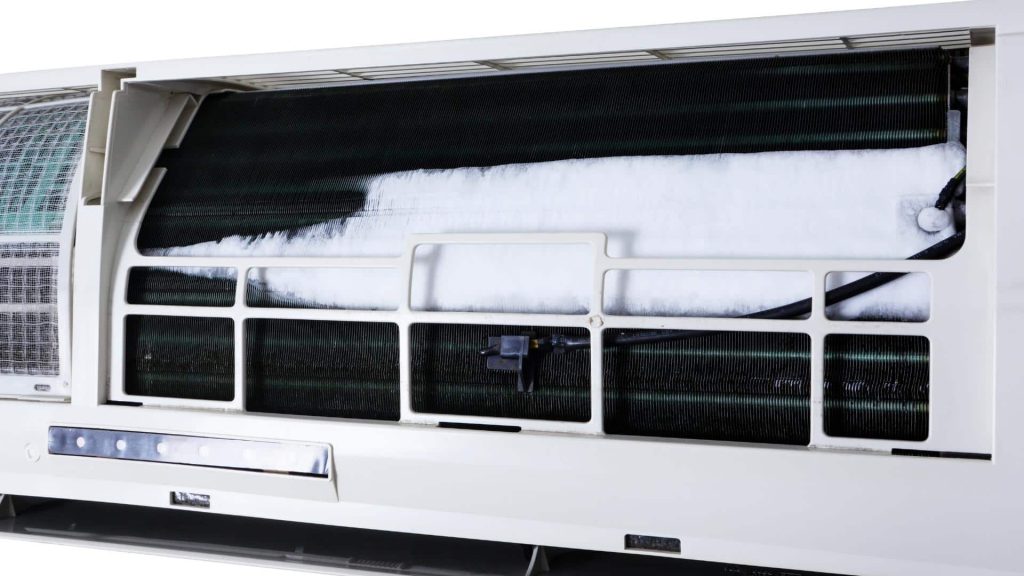
Have you ever turned on your RV air conditioner only to find it frozen solid? It’s frustrating when your cool escape turns into an icy mess.
You might wonder, “Why does my RV air conditioner freeze up? ” Understanding the reasons behind this problem can save you from sweaty discomfort and costly repairs. You’ll discover the simple causes and easy fixes to keep your RV AC running smoothly and your trips cool and comfortable.
Keep reading—your next adventure depends on it!

Credit: www.lippert.com
Common Causes Of Freezing
An RV air conditioner can freeze up for several reasons. This problem stops the AC from cooling properly. Understanding common causes helps you fix the issue faster.
Freezing happens when ice forms on the AC’s coils or parts. This blocks airflow and lowers efficiency. Below are common causes of freezing.
Dirty Air Filters
Dirty air filters block air from flowing through the AC. This makes the coils too cold and causes ice to form. It also reduces cooling power.
Clean or replace air filters regularly. This keeps air moving and prevents ice buildup on the unit.
Low Refrigerant Levels
Refrigerant cools the air inside the AC. Low levels cause the coils to get too cold and freeze. Leaks often cause low refrigerant.
Check refrigerant levels and fix leaks quickly. Proper levels keep the system working without freezing.
Blocked Airflow
Blocked vents or dirty coils stop air from moving properly. This lowers pressure and causes ice to form on the coils.
Clear vents and clean coils to restore airflow. This prevents freezing and helps the AC cool better.
- Remove obstructions near vents
- Clean debris from coils and fans
- Check for damaged ductwork
Thermostat Issues
A faulty thermostat can cause the AC to run too long or not turn off. This can freeze the coils because of continuous cooling.
Test the thermostat and replace it if it does not work correctly. Proper thermostat control stops the AC from freezing up.
Effects Of A Frozen Ac
A frozen RV air conditioner can cause several problems. It stops cooling your RV properly and can damage parts.
Knowing the effects helps you fix the issue fast. This keeps your RV cool and safe.
Reduced Cooling Efficiency
When your RV AC freezes, ice blocks the airflow. This lowers its ability to cool the air inside.
The AC has to work harder to cool your RV. This wastes energy and may not cool well.
- Ice blocks air from passing through the vents
- Cold air cannot circulate properly inside the RV
- The system uses more power without good results
- Temperature stays higher than you want
Potential Damage To Components
Ice buildup can harm your RV AC parts. Frozen coils and fans may break or stop working.
Running the AC with ice can cause long-term damage. Repairs might be costly and take time.
- Frozen evaporator coils can crack or leak refrigerant
- Fans may freeze and stop spinning
- Compressor may overheat from strain
- Electrical parts can short out from moisture
Quick Fixes To Try
An RV air conditioner freezing up is a common problem. It stops your AC from cooling properly.
There are simple fixes you can try to solve this issue. These help your AC work well again.
Cleaning Or Replacing Air Filters
Dirty air filters block airflow and cause the AC to freeze. Check your filters often.
Clean reusable filters with water and let them dry. Replace disposable filters if they are dirty.
- Turn off the AC before removing filters
- Use a vacuum or wash reusable filters
- Replace filters every 1-3 months
- Clean filters improve airflow and prevent freezing
Checking And Adjusting Thermostat Settings
Wrong thermostat settings can make the AC freeze. Check the temperature setting first.
Set the thermostat to a comfortable temperature, not too low. Avoid rapid temperature changes.
- Set thermostat to around 75°F (24°C)
- Do not set it lower than needed
- Avoid switching between cooling and heating quickly
- Check if the thermostat is working properly
Clearing Air Vents And Registers
Blocked vents reduce airflow and cause ice buildup on the AC. Make sure vents are clear.
Remove dust and objects blocking the vents. Keep furniture and curtains away from them.
- Check all air vents and registers inside the RV
- Clean vents with a brush or vacuum
- Do not cover or block any vents
- Proper airflow prevents freezing
Defrosting The Ac Unit
If your AC is frozen, turn it off to let ice melt. Defrosting stops damage to the unit.
You can speed up defrosting by using a fan or warm cloth. Do not use sharp tools to break ice.
- Turn off the AC and let ice melt naturally
- Use a fan to help air circulate
- Apply warm cloth carefully to frozen areas
- Never use sharp objects to remove ice
When To Call A Professional
Your RV air conditioner may freeze up for several reasons. Some causes you can fix yourself. Others need expert help. Knowing when to call a professional can save time and money.
If your air conditioner keeps freezing despite basic checks, it is time to get a professional. Experts can find hidden problems and fix them safely.
Refrigerant Recharge Needs
One common cause of freezing is low refrigerant. Your RV AC needs the right amount to cool properly. Too little refrigerant makes the system freeze.
Refilling refrigerant is not a simple task. It requires special tools and knowledge. Only trained technicians should handle refrigerant recharges.
- Low refrigerant causes poor cooling.
- Freezing happens when refrigerant levels drop.
- Professionals check for leaks before refilling.
- Proper recharge prevents future freeze-ups.
Electrical Or Mechanical Repairs
Freezing can also result from electrical or mechanical faults. Problems like a broken fan or faulty thermostat affect airflow and temperature.
These repairs need expert diagnosis. A professional can spot damaged parts and fix or replace them correctly. This keeps your AC running smoothly.
- Broken fan motors reduce airflow and cause ice.
- Faulty thermostats send wrong signals to the AC.
- Wiring issues can stop the system from working.
- Professionals use tools to test electrical parts.
Preventive Maintenance Tips
RV air conditioners can freeze up if not cared for properly. Preventive maintenance helps keep your AC working well. It stops ice buildup and keeps you cool.
Here are some tips to maintain your RV air conditioner. Follow these steps to avoid freezing problems and extend the life of your unit.
Regular Filter Cleaning
Dirty air filters block airflow and cause the AC to freeze. Clean the filters every two weeks during use. This keeps air flowing smoothly and prevents ice buildup.
Remove the filter and wash it with warm water. Let it dry completely before putting it back in. If the filter is damaged, replace it right away.
- Check filters every two weeks
- Wash with warm water and mild soap
- Dry filters fully before reinstalling
- Replace filters if torn or worn out
Scheduled Professional Inspections
Have a professional inspect your RV AC once a year. They check refrigerant levels and clean hard-to-reach parts. This prevents freezing and other issues.
Technicians can find leaks or electrical problems early. Fixing these problems saves you from bigger repairs later.
- Schedule yearly AC inspections
- Check refrigerant pressure
- Clean coils and drains professionally
- Repair leaks and faulty wiring promptly
Proper Usage Guidelines
Use your RV air conditioner correctly to avoid freezing. Set the thermostat to a reasonable temperature, not too low. Extreme cold settings can cause ice to form.
Turn on the fan mode sometimes to keep air moving. Avoid running the AC when outside temperatures are very low. This helps the system work without freezing.
- Set thermostat between 72-78°F (22-26°C)
- Use fan mode to circulate air
- Turn off AC in very cold weather
- Avoid blocking air vents inside the RV

Credit: www.lippert.com

Credit: www.rvacunit.com
Frequently Asked Questions
Why Does My Rv Ac Freeze Up?
Your RV air conditioner may freeze due to restricted airflow. This can happen because of dirty filters or blocked vents. Low refrigerant levels can also cause freezing. Ensure regular maintenance to prevent these issues. Cleaning filters and checking refrigerant levels are essential for proper function.
How Can I Prevent Rv Ac Freezing?
To prevent freezing, maintain proper airflow by cleaning filters regularly. Ensure vents are unobstructed and check refrigerant levels. Keep your RV’s interior well-insulated to reduce temperature fluctuations. Routine maintenance is crucial to prevent freezing and ensure efficient AC performance.
What Are Signs Of A Freezing Rv Ac?
Common signs include reduced airflow and visible ice on the AC unit. You may also notice unusual noises or increased humidity inside the RV. Address these issues promptly to prevent further damage. Regular maintenance can help identify and resolve potential problems early.
Can Dirty Filters Cause Ac Freezing?
Yes, dirty filters restrict airflow, leading to AC freezing. When airflow is limited, the evaporator coil may freeze, causing the system to malfunction. Clean or replace filters regularly to maintain optimal performance. Regular maintenance helps prevent freezing and extends the life of your AC unit.
Conclusion
An RV air conditioner freezing up can cause discomfort and damage. Dirt, low refrigerant, or poor airflow often cause this issue. Regular cleaning and maintenance keep the system working well. Check filters and vents to avoid blockages. Fix small problems early to stop bigger issues later.
Understanding these causes helps you stay cool on the road. A well-maintained AC means a more enjoyable trip every time. Stay alert and take simple steps to keep your RV comfortable.