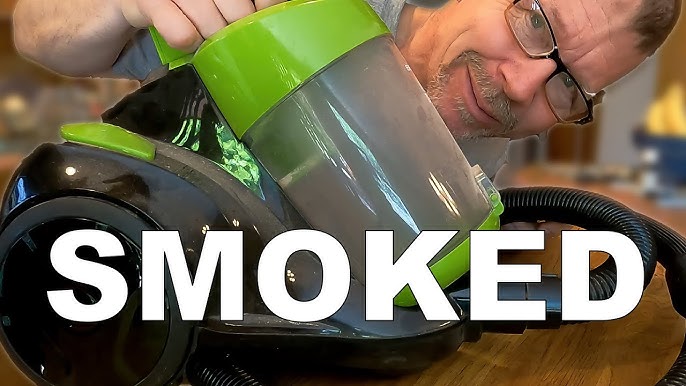
Have you ever noticed a strange, burnt smell wafting through the air as you vacuum your home? It’s not only unpleasant but might also leave you wondering if something is wrong with your trusty cleaning machine.
You’re not alone—many people experience this problem and wonder what it could mean. Is your vacuum on the verge of breaking down, or is it just a minor issue that can be easily fixed? We’ll dive into the common reasons why your vacuum might smell burnt and what steps you can take to solve the problem.
By understanding the possible causes, you can keep your vacuum in top shape and ensure your home stays fresh and clean. Keep reading to uncover the mystery behind that burnt smell and learn how to fix it before it leads to bigger problems.
Credit: us.narwal.com
Common Causes Of Burnt Smell
Noticing a burnt smell from your vacuum can be alarming. Understanding the common causes helps you fix the problem quickly and avoid damage. Let’s look at why this smell appears and what you can do about it.
Clogged Filters And Hoses
Filters and hoses trap dust and debris, but when they get clogged, airflow reduces drastically. This forces the motor to work harder, causing it to heat up and emit a burnt odor. Have you checked your vacuum’s filters or hoses lately? Cleaning or replacing these parts often stops the smell immediately.
Motor Overheating
Your vacuum’s motor is the heart of the machine. If it overheats, it can produce a strong burnt smell. Overheating might happen because of prolonged use, lack of maintenance, or blocked ventilation. Next time you vacuum, pause if you smell something burning and let the motor cool down before continuing.
Brush Roll Issues
The brush roll spins to lift dirt, but tangled hair or threads can jam it. When stuck, the brush motor strains, creating heat and a burning scent. If your vacuum sounds louder or the brush isn’t spinning properly, inspect it for debris. Regularly cleaning the brush roll prevents this problem and keeps your vacuum running smoothly.
Electrical Problems
Electrical faults inside the vacuum can also cause a burnt smell. This might come from worn wires, loose connections, or damaged components. If you notice sparks, smoke, or persistent burning odors, it’s safer to unplug the vacuum and get professional help. Ignoring electrical issues could lead to bigger hazards.
Credit: www.ecovacs.com
Identifying The Source Of The Smell
Noticing a burnt smell coming from your vacuum can be worrying. To fix it, you first need to find where the smell is coming from. Identifying the exact source helps you avoid damage and keep your vacuum working efficiently.
Checking The Vacuum Bag Or Canister
Start by looking at the vacuum bag or canister. A full or clogged bag can cause the motor to work harder, leading to overheating and a burnt smell. Also, check if any debris inside has started to burn or melt.
Empty the bag or canister if it’s full. If you see melted plastic or scorched dirt, clean it out immediately. This simple step often stops the smell and protects your vacuum from damage.
Inspecting The Brush Roll
The brush roll often collects hair, threads, and other debris that can get tangled and cause friction. This friction can create heat, resulting in a burnt odor. It’s common for people to overlook this part during regular cleaning.
Remove any stuck materials carefully. Spin the brush roll by hand to see if it moves smoothly. If it’s hard to turn or looks worn, replacing it might be necessary to prevent further issues.
Examining The Motor Area
The motor is the heart of your vacuum and a common source of burnt smells. Overheating motors emit a strong odor and could be a sign of electrical problems or blocked airflow. It’s important to address this quickly to avoid costly repairs.
Check for any visible dust buildup or obstructions around the motor vents. If you feel the vacuum getting hotter than usual or hear strange noises, it’s best to stop using it and have a professional inspect the motor. Ignoring these signs can lead to permanent damage.
Simple Fixes To Eliminate The Smell
Dealing with a burnt smell from your vacuum can be frustrating, but often the fix is simpler than you think. Regular maintenance and a few quick checks can stop the odor and keep your vacuum running smoothly. Let’s look at some straightforward actions you can take to eliminate that unpleasant burnt smell.
Cleaning Or Replacing Filters
Filters trap dust and dirt, but when clogged, they force the motor to work harder, which can cause overheating and a burnt smell. Check your vacuum’s filter regularly and clean it according to the manufacturer’s instructions. If the filter looks worn or damaged, replacing it can make a big difference in air flow and odor control.
Clearing Blockages
Blockages in the hose or brush roll area restrict airflow and strain the motor, often leading to that burnt smell. Take a moment to inspect these areas for debris like hair, string, or large dust clumps. Removing these blockages not only improves performance but also prevents the motor from overheating.
Maintaining The Brush Roll
The brush roll picks up dirt and hair, but it can also get tangled and cause friction. If the brush roll spins unevenly or gets stuck, it may generate heat and that burnt odor. Regularly remove hair and fibers wrapped around the roll to keep it spinning freely and avoid unnecessary motor strain.
Allowing The Motor To Cool
Continuous vacuuming without breaks can overheat the motor, resulting in a burnt smell. Give your vacuum regular breaks during long cleaning sessions to let the motor cool down. Have you noticed the smell disappearing after a short pause? That’s a clear sign your vacuum needs a rest to perform better.

Credit: everettvacuum.com
Preventive Tips For Vacuum Maintenance
Proper maintenance keeps your vacuum clean and smelling fresh. Small actions prevent burning smells and extend your vacuum’s life. Follow these simple tips to avoid damage and unwanted odors.
Regular Filter Cleaning
Filters trap dust and dirt. Clean them often to keep airflow smooth. Clogged filters make the motor work harder. This extra strain can cause burning smells. Wash or replace filters as the manual suggests.
Avoiding Overuse
Vacuuming for too long at once overheats the motor. Take breaks during long cleaning sessions. Let the vacuum cool down before using it again. This prevents burning and keeps the motor healthy.
Routine Brush Roll Checks
Brush rolls pick up hair and debris. Remove tangled items regularly. Blocked brushes slow down cleaning and strain the motor. Clean the brush roll to keep it spinning freely and avoid bad smells.
Proper Storage Practices
Store your vacuum in a dry, cool place. Avoid damp areas that cause mold and odors. Coil the cord loosely to prevent damage. Proper storage protects your vacuum from wear and tear.
When To Seek Professional Help
Knowing when to get professional help for your vacuum’s burnt smell can save you from bigger problems. Some issues might seem minor but can hide serious damage. Understanding the warning signs helps you decide when to call an expert instead of trying to fix it yourself.
Persistent Burnt Odor
If the burnt smell lingers even after you clean or change filters, it’s a red flag. This could mean internal parts are overheating or damaged. Don’t ignore this—persistent odors often signal problems beyond simple maintenance.
Have you tried running the vacuum in short bursts only to find the smell returns quickly? That’s a clear sign to stop using it and seek professional inspection. Continuing to use it can cause permanent damage.
Motor Malfunctions
Is your vacuum making unusual noises or losing suction power along with the burnt smell? These symptoms often point to motor issues. Motors can overheat and fail if they’re struggling, and a professional can diagnose if replacement or repair is needed.
Attempting to fix motor problems without expertise might lead to more damage or void your warranty. A technician has the right tools to safely open and test the motor’s condition.
Electrical Safety Concerns
Any burnt smell combined with sparks, smoke, or tripped circuit breakers means it’s time to stop using your vacuum immediately. Electrical faults are dangerous and require professional attention to prevent fire hazards.
Have you noticed your vacuum’s plug or cord feeling hot or damaged? This is a warning sign that electrical components might be compromised. Only a qualified technician should handle electrical repairs to ensure safety.
Frequently Asked Questions
Why Does My Vacuum Cleaner Smell Burnt?
A burnt smell usually comes from overheating motor parts or clogged filters. Check for blockages and clean filters regularly to prevent damage.
Can A Clogged Vacuum Cause A Burning Odor?
Yes, clogs restrict airflow, causing the motor to overheat and emit a burnt smell. Clear debris to avoid this issue.
How Do I Fix A Burnt Smell In My Vacuum?
Turn off the vacuum, unplug it, and inspect for blockages or worn belts. Replace faulty parts and clean filters to fix the smell.
Is A Burnt Vacuum Smell Dangerous?
A burnt smell indicates overheating, which can damage the vacuum or cause fire hazards. Stop use immediately and inspect the device.
Conclusion
A burnt smell from your vacuum signals a problem inside. It may come from a clogged filter or a stuck brush roll. Overheating parts need quick attention to avoid damage. Regular cleaning helps keep your vacuum fresh and working well.
Check belts and motors often to catch issues early. Taking small steps prevents big repairs later. Keep your home clean and your vacuum smelling good. Don’t ignore the burnt odor; fix it soon. Your vacuum will last longer and work better.
Simple care makes a big difference every day.