Have you ever turned on your vacuum cleaner only to be greeted by the unsettling smell of burning rubber? You’re not alone.
This strange odor can not only be alarming but also leave you wondering if there’s something seriously wrong with your trusty cleaning companion. Before you start imagining costly repairs or a dreaded replacement, let’s dive into why this might be happening.
Understanding the cause can save you time, money, and stress. So, why does your vacuum smell like burning rubber? Stick around to find out the surprising reasons behind this common issue and how you can easily fix it. Your vacuum—and your nose—will thank you!

Credit: www.youtube.com
Common Causes Of Burning Rubber Smell
A burning rubber smell from your vacuum signals a problem. It often means some parts are under strain or damaged. Identifying the cause helps prevent bigger issues and costly repairs.
Common causes include worn belts, clogged brush rolls, motor problems, blocked airflow, and stuck debris. Each can produce that strong burning rubber odor.
Worn Or Damaged Belt
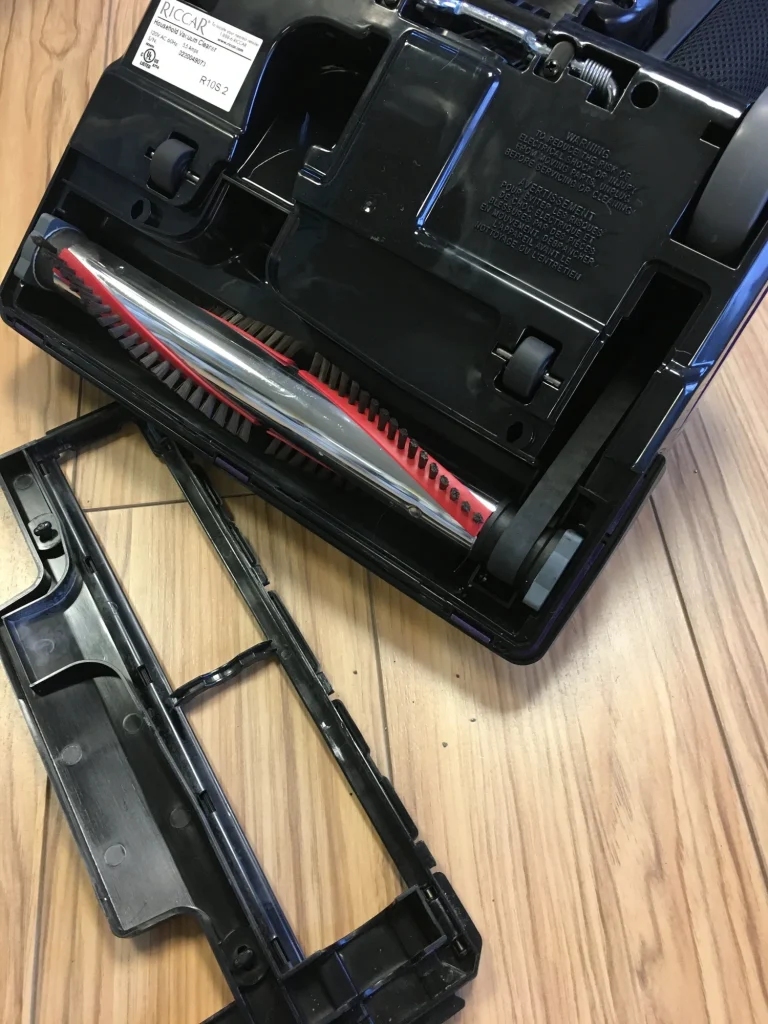
The belt moves the brush roll. Over time, belts wear out or tear. A slipping or broken belt can heat up and smell like burning rubber. Check the belt for cracks, fraying, or stretch marks.
Clogged Or Dirty Brush Roll
Dirt, hair, and fibers wrap around the brush roll. This causes extra friction and heat. The brush roll may slow down or stop. This friction creates the burning rubber smell.
Motor Overheating
The motor powers the vacuum. Overheating can happen if the motor works too hard. Dust buildup or mechanical issues cause heat. Overheated motors often emit a burning rubber odor.
Obstructed Airflow
Air must flow freely through the vacuum. Blocked filters or hoses reduce airflow. This forces the motor and belt to strain. Strain creates heat and the burning smell.
Debris Stuck In Vacuum
Small objects or debris can get trapped inside. This can pinch or rub against parts. Friction from trapped debris causes heat and a rubber-like burning smell.
Credit: us.narwal.com
Identifying The Source Of The Smell
The smell of burning rubber from a vacuum can be worrying. Finding the exact source helps fix the problem quickly. Several parts inside the vacuum can cause this odor. A careful check is important before using the vacuum again. This prevents damage and keeps the machine working well.
Inspecting The Belt And Brush Roll
The belt connects the motor to the brush roll. It can wear out or slip. A worn belt often smells like burning rubber. Check the belt for cracks, fraying, or stretching. The brush roll should spin freely. If the belt is tight or broken, it creates friction and heat. Replace the belt if you see damage or if it smells burned.
Checking For Blockages
Blockages in the vacuum hose or brush area cause strain on the motor. This strain creates heat, which leads to a burning rubber smell. Clear any debris stuck in the hose or brush. Use a long object or a flexible brush to remove dirt. Make sure airflow is strong and free from obstructions. Clean filters and empty dust containers regularly to avoid blockages.
Examining The Motor And Wiring
The motor powers the vacuum and uses wiring to connect parts. Overheating or damaged wiring can create a burning rubber smell. Inspect the motor for dust buildup or worn components. Look for melted insulation on wires or burnt marks. A faulty motor may need professional repair or replacement. Never use the vacuum if you see smoke or sparks near the motor.
Step-by-step Fixes
Dealing with a burning rubber smell from your vacuum can be worrying. It often signals a common problem that you can fix yourself. Follow these step-by-step solutions to identify and solve the issue. Each fix targets parts that usually cause this smell. Simple checks and maintenance can make your vacuum run smoothly again.
Replacing The Vacuum Belt
The vacuum belt often causes burning smells if it wears out or breaks. Check the belt around the brush roll. If it looks cracked, stretched, or melted, it needs replacement. Turn off and unplug the vacuum first. Remove the brush roll cover and slide out the old belt. Get the exact replacement belt from the manufacturer. Fit the new belt carefully on the motor shaft and brush roll. Reassemble the vacuum and test it. This fix stops the belt from slipping and overheating.
Cleaning The Brush Roll And Filters
Dirt buildup on the brush roll or clogged filters can strain the motor. This strain causes the motor to heat up and emit a burning rubber smell. Remove hair, threads, and debris from the brush roll. Wash or replace filters as recommended in your vacuum’s manual. Clean filters allow better airflow and reduce motor stress. Regular cleaning keeps your vacuum efficient and odor-free.
Clearing Air Pathways
Blocked air pathways reduce suction and increase motor heat. Check the hose, nozzle, and dust container for clogs. Remove any visible blockages with a long object or compressed air. Empty the dust container or replace the bag if full. Clear airways help the vacuum cool itself and prevent burning smells.
Allowing The Motor To Cool
Overheated motors cause burning rubber odors. Turn off the vacuum and unplug it immediately. Let it rest in a cool, dry place for at least 30 minutes. Cooling prevents permanent damage to the motor. Avoid using the vacuum continuously for long periods to reduce overheating risk.
Professional Repair Options
Some problems need expert help. Motor issues, electrical faults, or deep damage require professional repair. Contact an authorized service center or a trusted vacuum technician. They diagnose complex problems and replace parts safely. Professional help ensures your vacuum runs well and lasts longer.
Preventing Future Burning Smells
Preventing future burning smells from your vacuum keeps it working well and safe. Regular care and smart use help avoid heat and friction. Watch for worn parts to keep your vacuum fresh and strong.
Regular Maintenance Tips
- Clean filters often to stop blockages.
- Check the brush roll for hair or string tangles.
- Empty the dustbin or bag before it gets too full.
- Inspect the belt for cracks or wear regularly.
- Wipe vents and airways to prevent overheating.
Proper Usage Practices
- Do not run the vacuum over large objects or thick carpet.
- Avoid using the vacuum for long periods without breaks.
- Use the vacuum only on surfaces it is designed for.
- Keep the vacuum moving to prevent motor strain.
- Turn off the vacuum if you smell burning or see smoke.
When To Replace Parts
- Change belts if they appear cracked or stretched.
- Replace filters every few months or when dirty.
- Swap out brush rolls if bristles are missing or bent.
- Update bags when they are full or torn.
- Consider motor service if burning smells persist despite care.

Credit: www.youtube.com
Frequently Asked Questions
Why Does My Vacuum Smell Like Burning Rubber?
A burning rubber smell often means the vacuum belt is slipping or damaged. Overheating belts produce this odor. Check the belt for wear and replace it if necessary to prevent damage.
Can A Clogged Vacuum Cause Burning Rubber Smell?
Yes, a clogged vacuum restricts airflow, causing the motor to overheat. This overheating can produce a burning rubber smell. Regularly clean filters and remove blockages to maintain proper airflow and avoid this issue.
How To Fix Burning Rubber Smell In Vacuum?
Turn off the vacuum and inspect the belt and motor area. Replace worn belts and clear debris. Clean filters and ensure proper airflow. Regular maintenance prevents burning smells and extends vacuum life.
Is It Safe To Use Vacuum With Burning Smell?
No, using a vacuum with a burning rubber smell can cause motor damage or fire risk. Turn off the vacuum immediately and inspect or repair it before further use.
Conclusion
A burning rubber smell from your vacuum is a warning sign. It often means the belt or motor is overheating. Stop using the vacuum to avoid damage. Check the belt for wear or slipping. Clean any debris blocking airflow. Regular maintenance keeps your vacuum running well.
Fixing small issues early saves money later. Stay alert to unusual smells or sounds. Your vacuum will last longer with care. Don’t ignore burning smells; act quickly for safety.