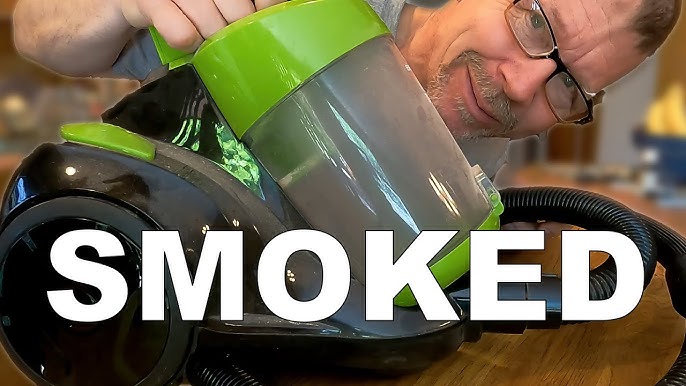
Have you ever noticed a strange, burning smell coming from your vacuum cleaner? It can be a bit unsettling, right?
You’re not alone. Many people experience this issue and wonder what could possibly be wrong. Understanding the cause is crucial, not just for your peace of mind but also for the longevity of your vacuum. This article will delve into the possible reasons behind that burning smell and guide you on how to address it effectively.
Keep reading to discover practical solutions that will help ensure your vacuum operates smoothly and safely. Plus, we’ll share some simple maintenance tips to prevent this problem from happening again. Don’t let a mysterious odor disrupt your cleaning routine—let’s get to the bottom of it together!

Credit: everettvacuum.com
Common Causes Of Burning Smell
A burning smell from your vacuum can be worrying. It signals that something is wrong inside the machine. Common causes include parts working too hard or getting blocked. Identifying the issue helps stop damage and keeps your vacuum safe to use.
Clogged Filters And Airflow Issues
Filters trap dust and dirt. When clogged, air cannot flow well. The vacuum motor works harder and heats up. This heat can cause a burning smell. Cleaning or replacing filters often solves this problem.
Worn Out Or Jammed Brush Roll
The brush roll moves dirt into the vacuum. Hair and fibers can wrap around it. This jams the brush and makes the motor strain. The friction creates heat and a burning odor. Removing debris from the brush roll clears the problem.
Overheated Motor
The motor powers your vacuum. If it runs too long or faces resistance, it overheats. This causes a hot, burning smell. Turning off the vacuum and letting it cool prevents damage. Check for blockages or worn parts if overheating repeats.
Debris Stuck In The Vacuum
Small objects can get stuck inside. This blocks airflow and stresses parts. The trapped debris may also burn from friction. Regularly inspect the hose and openings for stuck items. Removing debris stops the burning smell and restores suction.
Electrical Problems
Worn wires or loose connections can cause sparks or short circuits. These electrical faults produce a burning plastic or rubber smell. It is important to unplug the vacuum immediately. Seek professional repair to avoid fire hazards and further damage.
Credit: us.narwal.com
How To Identify The Source
Identifying the source of a burning smell from your vacuum is key to fixing it. The smell often signals a problem that needs quick attention. Start by examining parts that wear out or get clogged. Small checks can reveal issues before they worsen.
Checking The Brush Roll And Belt
Remove the vacuum’s brush roll cover. Look for tangled hair, string, or debris wrapped around the brush. These block the brush from spinning properly. Check the belt for cracks or stretching. A worn belt can slip and create friction. Friction causes heat and the burning smell.
Inspecting The Filters And Hose
Take out the vacuum filters and inspect them. Dirty or clogged filters reduce airflow. This can cause the motor to overheat. Clean or replace filters if they look dirty. Look inside the hose for blockages. Use a long stick or broom handle to push out debris. Blockages also cause overheating and smells.
Smelling Different Areas Of The Vacuum
Turn on the vacuum and carefully smell near key parts. Check near the motor, brush roll, and belt area. A strong burning smell near one area shows where the problem is. Avoid touching hot parts. Use your nose to guide your inspection.
Listening For Unusual Noises
Listen to the vacuum while it runs. A burning smell with a high-pitched squeal or grinding noise signals trouble. These sounds often come from the motor or belt. Strange noises mean parts are stressed or damaged. Stop the vacuum to prevent damage.
Preventive Measures
Preventive measures are key to avoiding that unpleasant burning smell from your vacuum. Taking care of your machine not only extends its life but also keeps your home fresh and clean. Let’s look at practical steps you can take to keep your vacuum running smoothly and odor-free.
Regular Cleaning And Maintenance
Dust and debris buildup can strain your vacuum’s motor, causing it to overheat and smell like it’s burning. Clean the filters, dustbin, and brushes regularly to prevent blockages.
Check the hose for clogs or trapped dirt that might restrict airflow. A clean vacuum works more efficiently and stays cooler during use.
Replacing Worn Parts On Time
Worn belts, brushes, or filters can cause friction and overheating. Pay attention to how your vacuum sounds and smells; these can be signs parts need replacement.
Keep spare belts and filters handy, and don’t hesitate to replace them as soon as they show wear. This simple step can save you from costly repairs.
Proper Usage Tips
Are you using the right settings for your floor type? Using a vacuum on the wrong setting can cause unnecessary strain.
Avoid running the vacuum over thick carpets at the highest power setting if it’s not designed for that. Adjust suction levels to match the cleaning task.
Avoiding Vacuum Overload
Vacuuming large piles of debris in one go can cause the motor to work too hard. Try emptying the dustbin more often during heavy cleaning sessions.
Break down large tasks into smaller chunks to keep your vacuum cool. Have you noticed your vacuum struggling after long cleaning sessions? That’s a sign to take breaks and avoid overload.

Credit: www.youtube.com
When To Seek Professional Help
Knowing when to seek professional help for your vacuum is important. A burning smell can signal serious issues. Some problems need expert care to avoid damage or danger. Acting quickly can keep your home safe and your vacuum working well.
Signs Of Electrical Damage
Look for frayed wires or sparks near the vacuum. Flickering lights or sudden power loss are warning signs. A burnt smell combined with these signs means electrical damage. Stop using the vacuum immediately and call a professional.
Persistent Burning Odor
A brief smell might clear up, but a lasting burning odor is serious. It shows internal parts could be overheating or melting. Do not try to fix this yourself. A technician can find and fix the exact cause safely.
Vacuum Not Functioning Properly
Strange noises, loss of suction, or the vacuum shutting off often are red flags. These problems can cause parts to overheat and smell burnt. Professional repair ensures the vacuum works correctly again. It also prevents further damage or fire risk.
Frequently Asked Questions
Why Does My Vacuum Smell Like It’s Burning?
A burning smell often indicates overheating. It may be due to clogged filters, a blocked brush roll, or motor issues. Check for debris and clean the vacuum regularly to prevent this odor.
Can A Clogged Vacuum Cause A Burning Smell?
Yes, a clogged vacuum restricts airflow, causing the motor to overheat. This overheating produces a burning smell. Regularly clear blockages to maintain proper airflow and prevent damage.
How Do I Fix A Burning Smell In My Vacuum?
Turn off and unplug the vacuum first. Clean filters, empty the dustbin, and remove debris from the brush roll. If the smell persists, check the motor or seek professional repair.
Is A Burning Vacuum Smell Dangerous?
It can be. Overheating parts risk fire or permanent motor damage. Stop using the vacuum immediately if you smell burning and inspect it carefully before resuming.
Conclusion
A burning smell from your vacuum is a warning sign. It can mean the motor or belt is overheating. Stop using the vacuum to avoid damage or fire risk. Check for blockages or tangled hair that cause strain. Regular cleaning helps keep it running smoothly.
If the smell continues, consider professional repair or replacement. Taking care of your vacuum keeps your home safe and clean. Don’t ignore strange smells—act quickly to protect your machine.