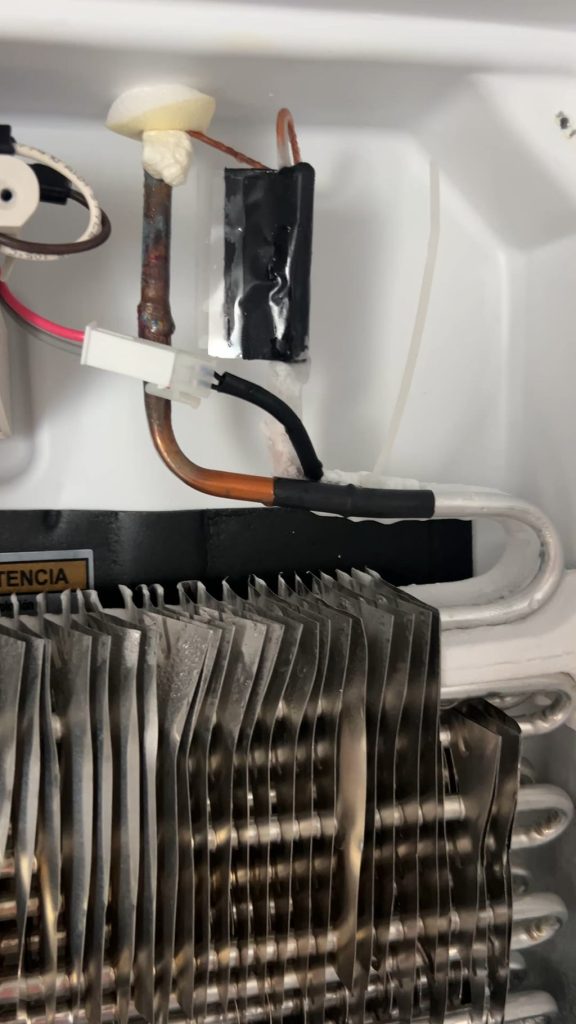
Is your Whirlpool refrigerator making strange noises? You’re not alone.
Many people find themselves puzzled and sometimes even worried when their refrigerator starts humming, buzzing, or rattling. But what if those noises were actually trying to tell you something? Understanding these sounds can save you time, money, and unnecessary stress.
You may even discover that the solution is much simpler than you thought. Imagine the peace of mind you’ll feel once you know exactly what’s going on and how to fix it. Keep reading, because unlocking the mystery behind your noisy refrigerator could be easier than you ever imagined.

Credit: www.searshomeservices.com
Common Noise Types
Whirlpool refrigerators, like all appliances, can produce different noises that might catch your attention. Understanding these common noise types helps you figure out if your fridge is simply working hard or signaling a problem. Let’s look at some typical sounds and what they might mean for your fridge’s health.
Humming Sounds
A steady humming noise usually comes from the compressor or the condenser fan running smoothly. It’s normal to hear this as your fridge maintains the right temperature. However, if the humming gets louder or changes pitch, it could mean the compressor is struggling or the fan motor needs cleaning.
Buzzing Or Clicking
Buzzing or clicking sounds often come from the start relay or the defrost timer. These parts switch on and off to keep your fridge cool. If the clicking is rapid or the buzzing loud, it might be a sign of electrical issues or a failing relay that needs your attention.
Rattling Or Vibrating
Rattling noises can be caused by loose parts or items inside the fridge vibrating against each other. Check if the fridge is level or if anything inside is touching the walls. Sometimes, simply tightening screws or adjusting shelves stops the annoying rattles.
Grinding Or Squealing
Grinding or squealing sounds are less common and usually indicate mechanical trouble. These noises might come from the evaporator fan motor or compressor bearings wearing out. Ignoring these sounds could lead to bigger repairs, so it’s wise to investigate early.
Noise Causes
Whirlpool refrigerators can make different noises during normal use. Some sounds are common, while others signal a problem. Understanding noise causes helps spot issues early and avoid bigger troubles.
Noise usually comes from parts working hard or parts needing repair. Some parts move or cool the fridge, which can create sound. Others might be loose or damaged, causing unusual noise.
Compressor Issues
The compressor pumps refrigerant through the fridge. It can make humming or buzzing noises. Loud clicking or knocking sounds may mean the compressor is failing. Compressor noise often increases when the fridge works harder to cool.
Condenser Fan Problems
The condenser fan cools the compressor. Dust or debris can block the fan blades. A worn-out motor can cause rattling or grinding sounds. If the fan stops, the fridge may overheat and make loud noises.
Evaporator Fan Malfunctions
This fan circulates cold air inside the fridge. Ice buildup can stop the fan blades, causing buzzing or humming. A broken motor makes clicking or loud whirring sounds. Proper airflow is key for quiet operation.
Water Inlet Valve
The water inlet valve controls water flow to the fridge. It can make clicking or buzzing noises when filling the ice maker or water dispenser. A faulty valve might run longer and create unusual sounds.
Ice Maker Sounds
The ice maker creates clicks, pops, or grinding noises during ice production. Normal sounds include water filling and ice dropping. Loud or continuous noises may indicate a jam or mechanical issue.
Loose Parts Or Panels
Loose screws, panels, or shelves can cause rattling or banging sounds. Vibrations from the compressor can shake parts. Tightening or securing loose pieces often stops these noises quickly.
Quick Fixes
Strange noises from a Whirlpool refrigerator can disrupt your kitchen peace. Many noises come from simple problems. Quick fixes often stop these sounds fast. You can try a few simple checks and adjustments. These do not need special tools or skills. Here are some easy ways to quiet your fridge.
Leveling The Refrigerator
A fridge that is not level may vibrate or buzz. Check the floor under the fridge for uneven spots. Adjust the feet of the fridge to make it steady. Use a level tool if you have one. A balanced fridge runs quieter and works better.
Cleaning Condenser Coils
Dirty coils cause the fridge to work harder and make noise. Find the coils at the back or bottom of the fridge. Use a brush or vacuum to clean dust and dirt. Clean coils help the fridge cool quietly and save energy.
Tightening Loose Components
Loose screws or parts cause rattling sounds inside the fridge. Open the fridge doors and check shelves and drawers. Tighten screws or clips that seem loose. Check the back panel and compressor area too. Secure parts reduce noise and improve fridge life.
Clearing Ice Buildup
Ice buildup in the freezer or around vents makes noise and blocks airflow. Check for thick ice layers on walls or shelves. Defrost the fridge if you see ice. Use warm water and a cloth to remove ice safely. Clear vents and fans to keep the fridge quiet and cool evenly.
When To Call A Technician
Knowing when to call a technician for your Whirlpool refrigerator can save you time, money, and stress. Some noises are normal, but others signal deeper problems that need expert attention. If you’re unsure whether a sound is serious, keep an eye on the pattern and intensity of the noise.
Persistent Loud Noises
If your refrigerator makes loud noises that don’t stop, it’s a clear sign to get professional help. Persistent banging, grinding, or rattling often means a part is loose or damaged. Ignoring these sounds can lead to bigger issues that are more expensive to fix.
Think about the last time your fridge suddenly got noisy and didn’t quiet down. That’s a good moment to pause and consider calling a technician before the problem worsens.
Compressor Failures
The compressor is the heart of your fridge, and if it starts making strange noises like humming, clicking, or buzzing, it might be failing. These sounds usually come with reduced cooling performance or the fridge stopping altogether.
Don’t wait for your food to spoil before acting. A failing compressor often requires a technician’s diagnosis and repair to avoid replacing the entire unit.
Electrical Concerns
Buzzing or popping noises accompanied by flickering lights or the fridge turning on and off unexpectedly can indicate electrical problems. These issues can be dangerous and might cause damage to your appliance or even pose a fire risk.
If you notice any electrical irregularities, unplug the refrigerator and contact a technician immediately. Safety should always come first when dealing with electrical concerns.
Maintenance Tips
Proper maintenance helps reduce unwanted noises in your Whirlpool refrigerator. Small efforts keep it running smoothly. Noise often signals a need for care. Follow simple tips to keep sounds low and your fridge working well.
Regular Cleaning Schedule
Clean your refrigerator regularly to avoid noise issues. Dust and dirt can block vents and fans. Wipe down coils and the compressor area monthly. Remove food spills inside to prevent odors and rattling. A clean fridge runs quietly and efficiently.
Proper Loading Practices
Load items evenly on shelves to prevent vibrations. Avoid overstuffing as it strains the motor. Leave space between items for air circulation. Place heavy items on lower shelves to reduce noise. Proper loading keeps your fridge balanced and quiet.
Routine Inspections
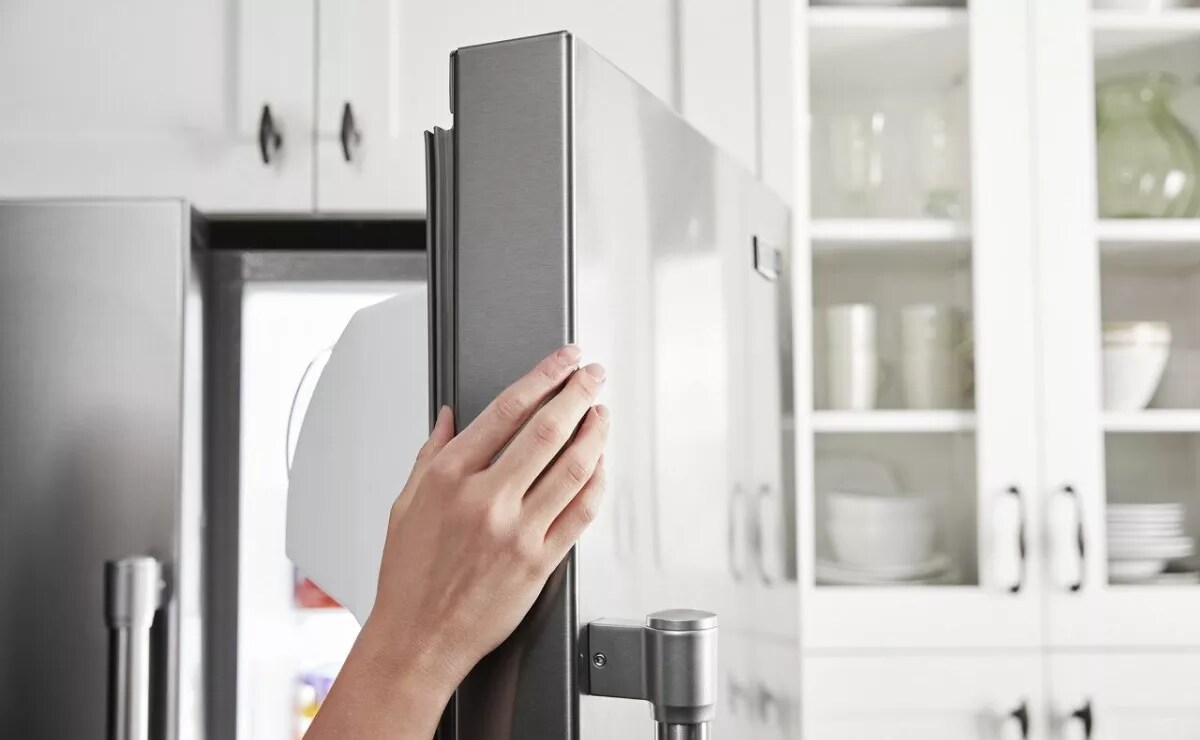
Check your refrigerator for loose parts regularly. Listen for unusual sounds like clicking or buzzing. Tighten screws and replace worn-out parts quickly. Inspect door seals for gaps that cause noise and energy loss. Routine checks catch problems before they get worse.

Credit: www.reddit.com
Credit: www.maytag.com
Frequently Asked Questions
Why Is My Whirlpool Refrigerator Making Loud Noises?
Loud noises often come from the evaporator or condenser fan. Dirt or ice buildup can cause the fan to hit parts. Regular cleaning and defrosting usually fix this issue and keep your fridge running quietly.
How To Fix Humming Sounds In Whirlpool Refrigerators?
Humming is typically the compressor running. If it’s louder than usual, check for blocked vents or dirty coils. Clean the coils and ensure proper airflow to reduce humming and improve efficiency.
What Causes Clicking Noises In Whirlpool Refrigerators?
Clicking sounds often come from the start relay or defrost timer switching on and off. This is normal but excessive clicking may indicate a faulty relay needing replacement.
Can A Noisy Whirlpool Refrigerator Affect Food Quality?
Yes, unusual noises may signal cooling issues. If the fridge struggles to maintain temperature, food can spoil faster. Address noises early to ensure proper cooling and food safety.
Conclusion
A noisy Whirlpool refrigerator can signal simple issues. Fans or motors might need cleaning or replacement. Sometimes, loose parts cause rattling sounds. Regular checks help keep the fridge quiet and efficient. Address noises early to avoid bigger problems. Understanding these causes helps you act fast.
Keep your fridge running smoothly and quietly. Small fixes often stop the noise for good. Don’t ignore unusual sounds—they protect your appliance’s health.