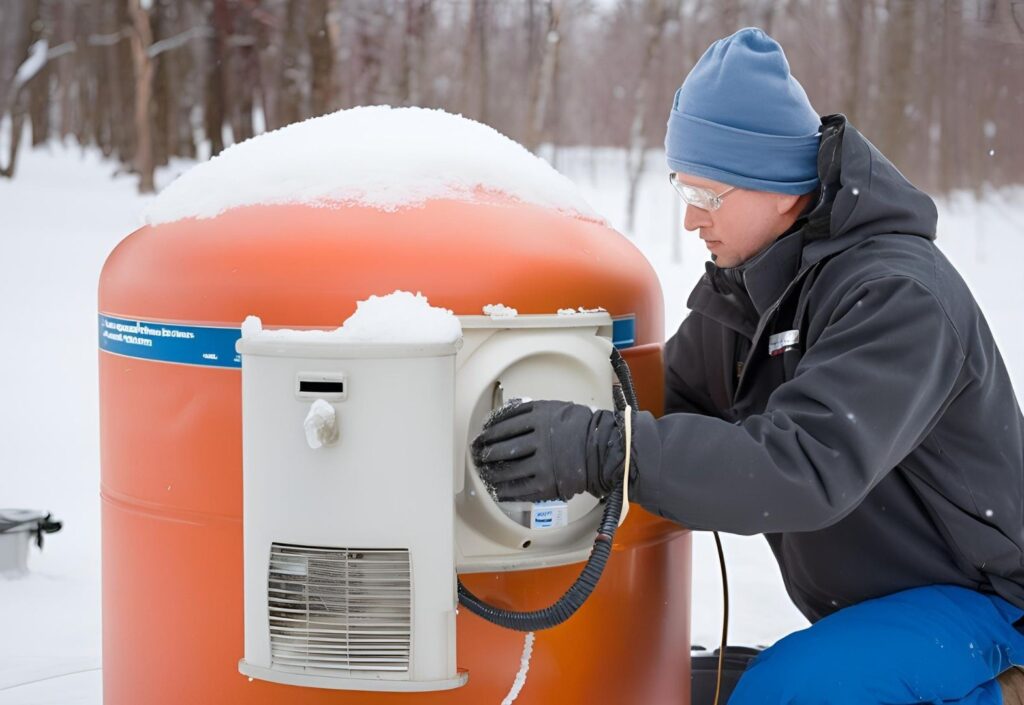
Have you ever wondered why propane, a fuel you rely on for grilling, heating, or even powering appliances, can freeze? It’s an intriguing question that might leave you puzzled, especially when you consider propane’s reputation as a reliable energy source.
You’ll discover the surprising science behind propane’s freezing point and what it means for your daily activities. Imagine the frustration of a grill that won’t light or a heater that won’t warm up, just because your propane froze. Understanding this phenomenon can save you from those inconvenient moments and keep your home running smoothly.
Stay with us to learn why this happens and what you can do to prevent it.
Credit: www.townsendtotalenergy.com
What Is Propane
Propane is a common fuel used for heating, cooking, and vehicles. It is a gas at room temperature but easily turns into liquid when under pressure. This makes it easy to store and transport in tanks.
Propane comes from natural gas processing and petroleum refining. It belongs to a group of chemicals called hydrocarbons. These are made of hydrogen and carbon atoms.
Physical Properties Of Propane
Propane is colorless and odorless in its natural state. An odorant is added to help detect leaks. It is heavier than air, so it can settle in low areas.
- Boiling point: -42°C (-44°F)
- Freezing point: -188°C (-306°F)
- Density: 1.87 kg/m³ (gas form at 0°C)
Uses Of Propane
Propane is versatile and clean-burning. It powers homes, grills, and vehicles. It is popular in areas without natural gas lines.
- Home heating and hot water
- Cooking fuel for grills and stoves
- Fuel for forklifts and other vehicles
- Camping and outdoor equipment
Storage And Safety
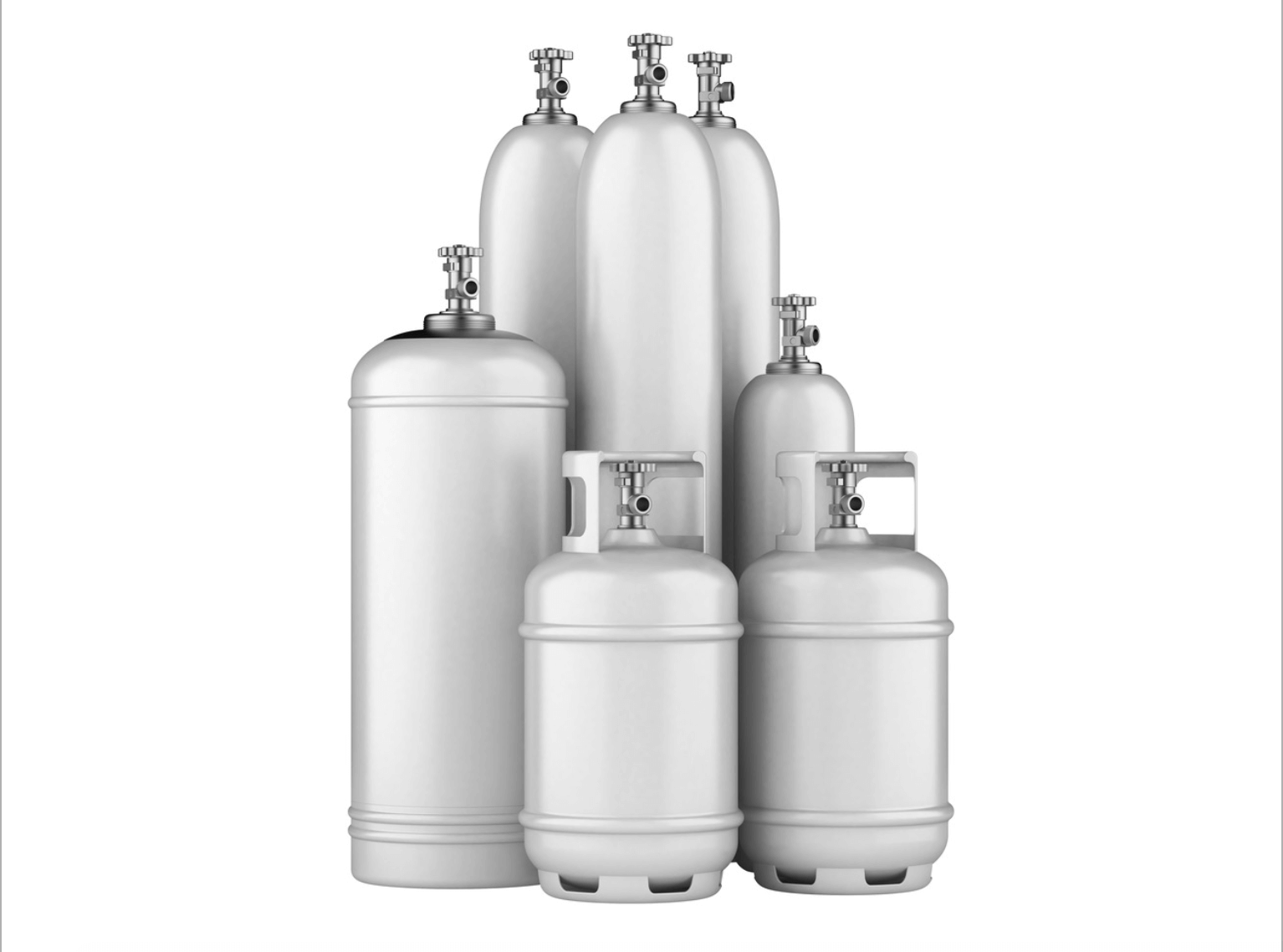
Propane is stored as a liquid in pressurized tanks. The pressure keeps it in liquid form. Proper handling is crucial to avoid leaks and accidents.
- Use certified tanks and equipment
- Store tanks in well-ventilated areas
- Check for leaks regularly
- Follow local safety regulations
Credit: bryansfuel.on.ca
Freezing Point Of Propane
Propane is a common fuel used for heating, cooking, and more. Understanding its freezing point helps explain why it sometimes stops flowing in cold weather. The freezing point is the temperature at which propane changes from liquid to solid. This change can affect how propane is stored and used.
What Is The Freezing Point Of Propane?
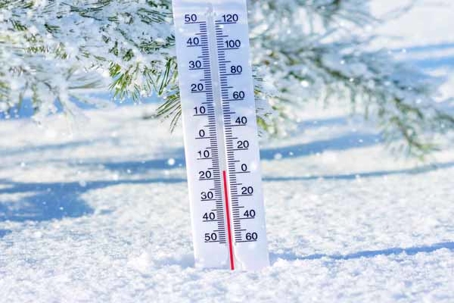
The freezing point of propane is -306 degrees Fahrenheit (-188 degrees Celsius). At this temperature, propane turns from liquid into a solid state. This is much colder than most outdoor temperatures, so propane rarely freezes under normal conditions.
How Does Temperature Affect Propane?
Propane stays liquid under pressure at temperatures above its freezing point. When temperatures drop near this point, propane can start to solidify. This can cause blockages in tanks or lines, stopping the flow of gas.
Why Does Propane Freeze In Some Cases?
Although propane freezes at a very low temperature, it can freeze inside tanks if the pressure is low. Low pressure makes propane turn solid more easily. This often happens in very cold climates or when tanks are almost empty.
Signs Of Frozen Propane
- Reduced gas flow or no gas coming out.
- Frost or ice on propane tanks or pipes.
- Unusual noises from propane equipment.
Conditions That Cause Propane To Freeze
Understanding the conditions that cause propane to freeze is crucial for anyone using it in cold environments. Propane doesn’t behave like water; it requires specific conditions to change from a gas or liquid into a solid state. Knowing these conditions helps you avoid unexpected problems like clogged lines or malfunctioning appliances.
Temperature Thresholds
Propane freezes at a very low temperature—around -306°F (-188°C). This means in most everyday cold conditions, propane won’t actually freeze solid. However, if you’re in extreme environments, such as high-altitude locations or polar regions, temperatures can approach these levels.
Even in moderately cold weather, propane can start to experience other issues like reduced pressure or liquid phase changes, but freezing is rare. Have you ever wondered why your propane grill might struggle in winter even though it’s not frozen? It’s because propane’s pressure and temperature balance is delicate.
Pressure Effects
Pressure plays a big role in propane’s state. At higher pressures, propane remains liquid at lower temperatures. When the pressure drops, propane can vaporize or even freeze if the temperature is low enough.
For example, propane stored in a tank under high pressure stays liquid even when it’s very cold. But if the pressure inside the tank decreases—maybe due to a leak or temperature change—the propane can freeze more easily. This interplay between pressure and temperature can cause unexpected freezing, particularly in poorly maintained systems.
Do you check your propane tank’s pressure regularly? Understanding this can help you prevent freezing and maintain efficient propane use, especially in cold weather.
Signs Propane Is Freezing
Propane freezing is rare but possible in very cold temperatures. Knowing the signs helps to spot problems early. Recognizing these signs can prevent appliance issues and keep your home safe. Here are common signs that propane is freezing or close to freezing.
Low Pressure In The Tank
Freezing propane causes a drop in pressure inside the tank. The pressure gauge may show a lower reading than usual. Appliances may not work well or stop working. This low pressure can signal propane is freezing or vaporizing slowly.
Appliances Running Weakly
Burners and heaters may flame weak or flicker. Heat output drops noticeably. This happens because frozen propane cannot vaporize to fuel appliances. You might notice longer startup times or uneven flames.
Frost Or Ice On The Tank Surface
Ice can form on the outside of propane tanks in freezing weather. This frost is a clear sign of very cold conditions affecting the tank. It may mean the propane inside is near freezing or starting to freeze.
Unusual Odors
A strong or strange smell near propane appliances can mean leaks or freezing issues. Frozen propane can cause irregular vapor flow, affecting odor levels. Always check and ventilate immediately if you smell propane.
Difficulty In Turning Valves
Valves on propane tanks or lines may become stiff or hard to turn. Freezing temperatures can cause components to contract and freeze. This stiffness suggests that freezing conditions affect the propane system.
Impact Of Frozen Propane On Appliances
Frozen propane can cause unexpected problems for your appliances. When propane freezes, it changes how gas flows through your system, which can lead to reduced efficiency or even damage. Understanding these effects helps you protect your appliances and avoid costly repairs.
How Frozen Propane Disrupts Appliance Performance
Frozen propane restricts the flow of gas to your appliances. This can cause flames to flicker or go out completely, leaving you without heat or hot water. Have you ever noticed your heater struggling on a cold day? That might be propane freezing inside the tank or lines.
When gas flow is inconsistent, appliances work harder to maintain temperature. This extra strain can wear out components faster, shortening their lifespan. You might not see the damage immediately, but your appliance is silently suffering.
Risks Of Damage To Valves And Regulators
Frozen propane can cause valves and regulators to freeze up or malfunction. These parts control how much gas reaches your appliance, so any blockage affects performance. If a regulator freezes, it might cause dangerous pressure build-up or prevent gas flow altogether.
Have you ever had to replace a regulator unexpectedly? It’s often because of freeze-related damage. Regular maintenance and monitoring can prevent these issues and keep your system running safely.
Preventing Appliance Failure Due To Frozen Propane
- Keep propane tanks in insulated or heated areas during cold weather.
- Use propane additives designed to lower freezing points and improve flow.
- Check regulators and valves regularly for signs of frost or malfunction.
- Consider installing a tank heater if you live in extremely cold climates.
Taking these steps can save you from sudden appliance failures and costly repairs. What changes can you make today to protect your propane appliances from freezing?
Preventing Propane From Freezing
Preventing propane from freezing is essential for safe and efficient use. Propane can freeze in extremely cold conditions, causing delivery problems and equipment damage. Simple care in storage and usage stops freezing and keeps propane flowing smoothly.
Storage Tips
- Keep propane tanks in a dry, sheltered spot away from wind.
- Store tanks upright to allow proper pressure build-up.
- Avoid placing tanks directly on cold surfaces like concrete or snow.
- Use insulated covers or blankets designed for propane tanks.
- Ensure tanks have room to breathe; do not enclose tightly.
Usage Best Practices
- Use propane regularly during cold months to maintain pressure.
- Check and replace old or damaged regulators and hoses.
- Keep equipment clean and free from ice or frost build-up.
- Avoid overfilling tanks; leave space for gas expansion.
- Consider a propane heater or tank warmer in extreme cold.
Common Myths About Propane Freezing
Many people believe propane can freeze in cold weather. This idea causes unnecessary worry. Understanding the truth helps you use propane safely and confidently. Several common myths about propane freezing need clarification.
Propane Freezes Like Water
Propane does not freeze like water. It turns from liquid to gas without becoming solid at normal cold temperatures. Propane’s freezing point is much lower than outdoor winter temperatures.
Propane Tanks Can Burst From Freezing
Tanks do not burst from freezing. Propane expands when heated but contracts when cooled. Properly maintained tanks handle temperature changes without damage.
Low Temperatures Stop Propane From Working
Cold weather can reduce propane pressure but does not stop it from working. Propane systems are designed to work in cold climates. Any drop in performance usually relates to other factors.
Adding Water Prevents Propane Freezing
Water does not prevent propane freezing. Adding water to propane is dangerous and should never be done. Propane purity is essential for safe and efficient use.

Credit: centralpennpropane.com
Frequently Asked Questions
What Temperature Does Propane Freeze At?
Propane freezes at around -306°F (-188°C). This extremely low temperature makes freezing rare in typical environments. Propane remains liquid under usual cold weather conditions.
Can Propane Tanks Freeze In Winter?
Propane tanks rarely freeze because the freezing point is extremely low. However, improper tank maintenance can cause pressure drops, affecting performance. Keep tanks filled and stored correctly to avoid issues in cold weather.
How Does Propane Freezing Affect Its Usage?
Frozen propane can cause blockages in fuel lines and regulators. This leads to interrupted gas flow and appliance malfunction. Proper storage and regular maintenance prevent freezing-related problems.
Is Propane Freezing Dangerous?
Propane freezing itself is not dangerous, but it can disrupt gas flow. Blocked lines may cause appliances to stop working, which could lead to safety hazards. Always inspect propane systems regularly in cold climates.
Conclusion
Propane freezes at very low temperatures, much colder than most places experience. This means freezing is rare but possible in extreme cold. Knowing this helps you handle propane safely during winter. Keep propane tanks in warm, dry spots to avoid issues.
Always check your equipment for signs of freezing. Understanding propane’s properties makes using it easier and safer. Stay aware and prepared for cold weather challenges with propane. Simple steps protect your fuel and keep things running smoothly.