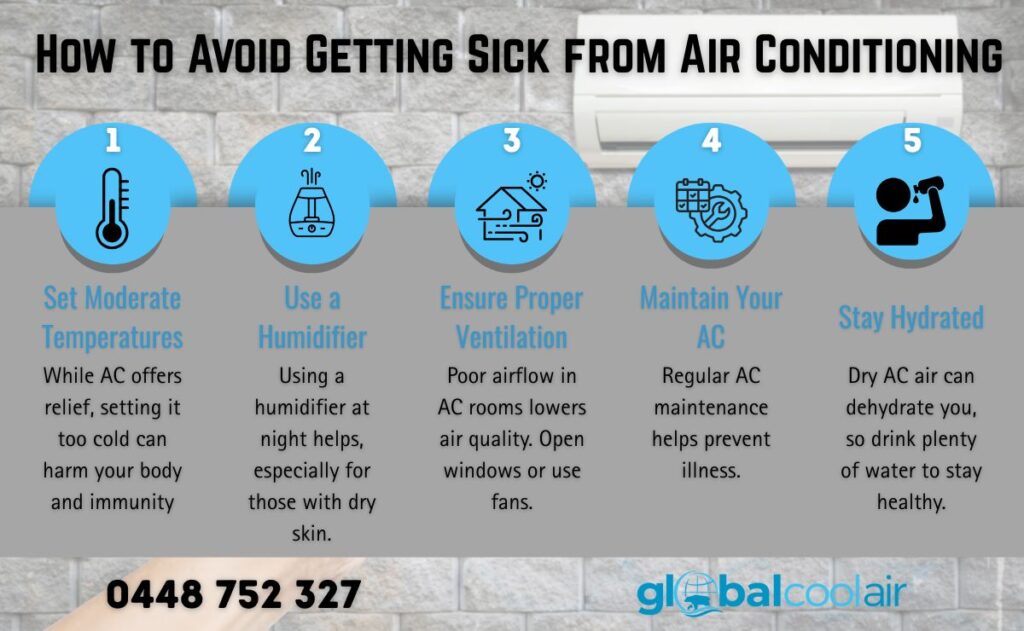
Have you ever noticed your nose getting stuffy whenever you turn on the air conditioner? It’s a common problem that can make you feel uncomfortable and disrupt your day.
You might wonder why something meant to cool you down ends up causing this annoying blockage. Understanding the reasons behind your stuffy nose can help you find relief and enjoy cool air without the discomfort. Keep reading to discover what’s really happening and how you can fix it fast.

Credit: www.onlymyhealth.com
Air Conditioner And Nasal Congestion
Many people notice a stuffy nose when they use an air conditioner. This happens because AC changes the air around us. It can affect our nasal passages and cause discomfort.
Understanding how air conditioners impact your nose can help you reduce nasal congestion. This guide explains the main reasons behind this problem.
How Ac Affects Nasal Passages
Air conditioners cool the air but also remove moisture. This dry air can irritate your nasal passages. When the inside of your nose dries out, it may swell and feel blocked.
The cold air from the AC may also cause blood vessels in your nose to narrow. This reduces airflow and leads to a stuffy feeling. Dust and allergens trapped in the AC system can worsen the problem.
- Dry air irritates nasal lining
- Cold air causes nasal swelling
- Dust in AC triggers allergies
- Reduced humidity leads to congestion
Common Symptoms Linked To Ac Use
People who spend time in air-conditioned rooms may notice several symptoms. These signs show how the AC affects their nose and breathing.
- Stuffy or blocked nose
- Dryness inside the nose
- Frequent sneezing
- Itchy or irritated nasal passages
- Watery eyes
- Headaches from poor airflow
Recognizing these symptoms helps you take steps to improve indoor air quality and reduce nasal discomfort.

Credit: www.allergyasthma.clinic
Dry Air And Its Impact
Air conditioners can make the air inside your home dry. This dry air can affect your nose and make it feel stuffy. Understanding why this happens is important for comfort and health.
When the air is too dry, it can cause problems. One common problem is a stuffy nose. Let’s explore how dry air from air conditioners affects your nose.
Role Of Humidity Levels
Humidity levels tell us how much moisture is in the air. Air conditioners often lower humidity levels. This makes the air drier than usual.
When humidity is low, the air can dry out the lining of your nose. This lining needs moisture to keep your nose comfortable and clear.
- Low humidity dries nasal passages
- Moisture is essential for nose comfort
- Dry air can lead to congestion
Effects On Nasal Mucosa
The nasal mucosa is the soft tissue inside your nose. This tissue helps trap dust and germs. It needs to stay moist to work properly.
When the air is dry, the mucosa can become dry too. This can lead to irritation and make you feel congested. Keeping the mucosa moist is key to avoiding a stuffy nose.
- Mucosa traps dust and germs
- Needs moisture to function well
- Dryness causes irritation and congestion
Allergens And Indoor Air Quality
Air conditioners help cool rooms but can affect air quality inside. They may cause stuffy noses by spreading allergens.
Understanding how allergens build up and trigger reactions helps manage these problems better.
Dust And Mold In Ac Systems
Dust and mold can collect inside air conditioner parts. These allergens spread through the air when the AC runs.
- Dust settles on filters and coils
- Mold grows in moist areas of the AC unit
- Dirty filters reduce air quality
- Airborne spores cause nasal irritation
Triggers For Allergic Reactions
Allergic reactions happen when the body reacts to allergens in AC air. These reactions cause stuffy noses and sneezing.
| Allergen | Common Sources | Symptoms |
| Dust Mites | Dust in filters and vents | Stuffy nose, sneezing |
| Mold Spores | Moist areas inside AC | Congestion, itchy eyes |
| Pollen | Outdoor air entering AC | Runny nose, coughing |
Temperature Fluctuations And Sensitivity
Air conditioners cool the air quickly. This sudden change can affect your nose. Many people feel stuffy or uncomfortable when exposed to cold air.
Understanding how cold air affects your nasal passages helps explain why your nose feels blocked. The body reacts to these temperature changes in specific ways.
Cold Air And Nasal Response
When cold air hits your nose, the blood vessels inside tighten. This reduces airflow and causes stuffiness. The nose also produces more mucus to protect itself.
- Cold air narrows blood vessels in the nose.
- Mucus production increases to trap cold particles.
- The nasal lining may swell, blocking airflow.
- This leads to a feeling of stuffiness or congestion.
Body’s Reaction To Sudden Changes
Your body is sensitive to quick temperature changes. Moving from warm to cold air triggers a defense response. This can cause nasal swelling and mucus build-up.
| Temperature Change | Body Reaction |
| Warm to Cold | Blood vessels shrink and mucus increases |
| Cold to Warm | Blood vessels expand and mucus thins |
| Stable Temperature | Normal nasal function |
Preventing Ac-induced Nasal Congestion
Air conditioners can cause stuffy noses by drying out the air inside your home. Dry air irritates your nasal passages and can lead to congestion.
There are ways to prevent this problem. Keeping the air balanced and clean helps your nose stay comfortable.
Maintaining Proper Humidity
Air conditioners remove moisture from the air, making it dry. Dry air causes your nose to feel blocked and irritated.
Using a humidifier can add moisture back into the air. Aim for indoor humidity levels between 40% and 60% for comfort.
- Check humidity with a hygrometer
- Use a humidifier if air feels dry
- Avoid too much moisture to prevent mold
Regular Ac Cleaning Tips
Dirty air conditioners spread dust and allergens that irritate your nose. Regular cleaning keeps the air fresh and healthy.
Clean or replace filters every 1 to 3 months. Wipe down vents and coils to remove dust buildup.
- Turn off AC before cleaning
- Use a vacuum or brush on filters
- Check ducts for dust and mold
- Call a professional for deep cleaning
Using Air Purifiers
Air purifiers remove tiny particles from the air. This helps reduce allergens that cause nasal congestion.
Choose purifiers with HEPA filters for best results. Place them in rooms where you spend most time.
- Use HEPA filter air purifiers
- Keep purifier running during AC use
- Clean purifier filters regularly
When To Seek Medical Advice
If your nose feels stuffy after using an air conditioner, it might be temporary. Sometimes, it can last longer. Knowing when to see a doctor helps you stay healthy.
This guide explains signs to watch for and possible health issues behind a stuffy nose caused by air conditioning.
Persistent Symptoms
Some symptoms last too long and need medical help. Check your symptoms carefully if they do not improve after several days.
- Nasal congestion lasting more than 10 days
- Severe headaches or facial pain
- Yellow or green nasal discharge
- Fever above 101°F (38.3°C)
- Difficulty breathing through your nose
Possible Underlying Conditions
A stuffy nose from air conditioning can be a sign of other health issues. These may need treatment from a healthcare provider.
| Condition | Description |
| Allergic Rhinitis | Allergic reaction to dust or mold in the AC |
| Sinus Infection | Infection causing swelling and blockage in sinuses |
| Dry Nasal Passages | Air conditioner dries out the nose, causing irritation |
| Non-Allergic Rhinitis | Inflammation from irritants, not allergies |
Credit: www.khaleejtimes.com
Frequently Asked Questions
Why Does Air Conditioning Cause Nasal Congestion?
Air conditioning lowers humidity, drying out nasal passages. This dryness irritates the mucous membranes, leading to a stuffy nose and discomfort.
Can Air Conditioners Spread Allergens Causing Nose Stuffiness?
Yes, poorly maintained AC units can circulate dust and mold. These allergens trigger nasal inflammation, causing congestion and irritation.
How Can I Prevent Nose Stuffiness From Air Conditioning?
Regularly clean AC filters and maintain humidity levels. Use a humidifier and stay hydrated to keep nasal passages moist.
Does Cold Air From Ac Worsen Sinus Problems?
Cold air can constrict nasal blood vessels, worsening sinus congestion. People with sinus issues may feel increased stuffiness in AC environments.
Conclusion
Air conditioners can dry out the air inside your home. This dryness often irritates your nose and causes stuffiness. Dust and mold in the AC system may also trigger allergies. Cleaning filters regularly helps reduce these problems. Using a humidifier can add moisture back into the air.
Drinking water keeps your nasal passages hydrated too. Understanding these causes makes it easier to find relief. Small changes can make your indoor air more comfortable. Breathe easier and enjoy a fresher, healthier home environment.