Have you ever noticed your nose feeling stuffy right after you turn on the air conditioner? It’s frustrating when you just want to stay cool but end up feeling uncomfortable instead.
You might wonder, why does the air conditioner make my nose stuffy? This common problem affects many people, and understanding the reasons behind it can help you find relief fast. Keep reading, and you’ll discover simple explanations and easy tips to breathe better while staying cool.

Credit: www.khaleejtimes.com
How Air Conditioners Affect Nasal Passages
Dry airfrom air conditioners can cause nasal irritation. This dryness makes the nose feel stuffyand uncomfortable. The nasal passages may become inflamed, leading to a blocked feeling. Also, dry air reduces the mucus that protects the nose.
Temperature changesfrom air conditioning affect mucus production. Cold air can slow mucus flow. When moving between cold and warm areas, the nose reacts by producing more mucus. This excess mucus causes nasal congestionand stuffiness.
Common Allergens In Ac Systems
Dust often builds up inside air conditioners. It can cause blockagesand allergic reactions. Mold grows in damp parts of AC systems. This growth releases sporesthat irritate the nose and throat.
Dirty filters trap dust and mold but can get contaminatedover time. A clogged filter lowers air quality. It spreads allergensthroughout the room, making noses stuffy.
| Common Allergen | Where It Grows | Effect on Nose |
|---|---|---|
| Dust | Inside AC ducts and vents | Causes sneezing and stuffiness |
| Mold | On damp parts and filters | Triggers irritation and congestion |
| Filter Contamination | Clogged air filters | Spreads allergens, lowers air quality |
Air Quality And Indoor Environment
Reduced humidity levelscaused by air conditioners can dry out the nasal passages. This dryness often leads to a stuffy or irritated nose. Low humidity makes mucus thicker, which can block the nose and cause discomfort. Breathing in dry air for a long time may worsen this feeling.
The circulation of pollutantsis another issue. Air conditioners can spread dust, pollen, and other allergens inside rooms. If filters are dirty, these particles increase, triggering allergic reactionsor nasal congestion. Poor ventilation also traps indoor pollutants, making the air less clean and healthy.

Credit: www.allergyasthma.clinic
How Your Body Reacts To Ac Exposure
Your nose feels stuffy because the cold air from the ACcan dry out the inside of your nose. This dryness causes the nose to produce more mucus to stay moist. The extra mucus leads to a feeling of congestion or stuffiness.
The body also sees cold air as a small threat. This triggers the immune systemto react by releasing chemicals. These chemicals cause the blood vessels in the nose to swell. Swelling blocks the nasal passages, making breathing harder.
- Dry air causes mucus to thicken
- Thick mucus blocks nasal passages
- Immune system releases chemicals
- Blood vessels swell, causing blockage
Tips To Prevent Nasal Congestion From Ac
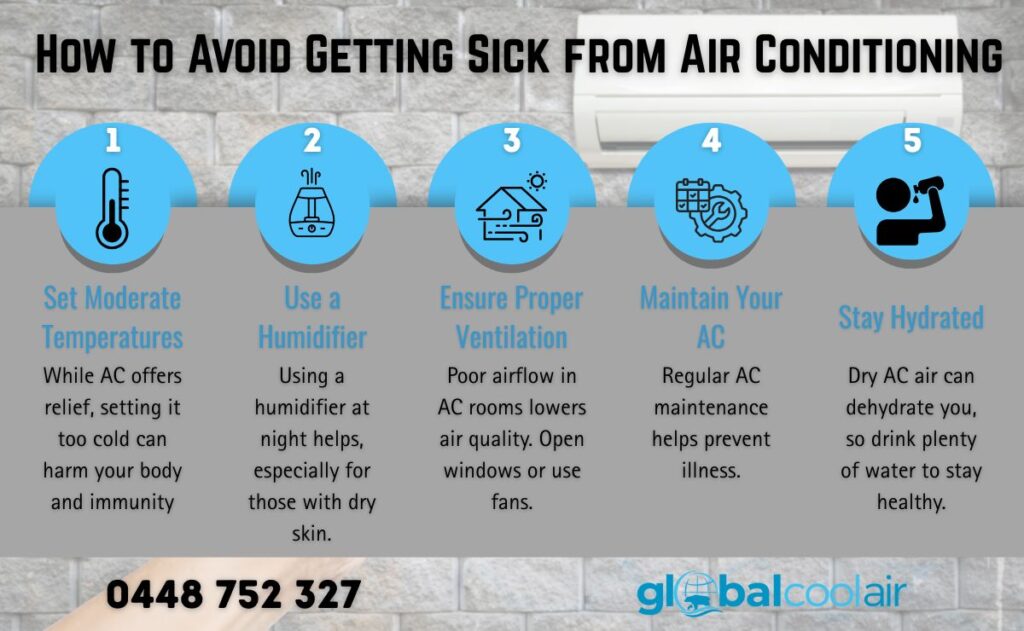
Keeping the right humidityin your room helps stop your nose from feeling stuffed. Too dry air from the AC can irritate your nasal passages. A humidifier adds moisture to the air and makes breathing easier.
Cleaning your air conditioner often is very important. Dust and dirt in the AC can cause allergies and stuffy nose. Change or wash the filters regularly to keep the air fresh and clean.
Using air purifiersand good filters captures dust, pollen, and other small particles. This stops these irritants from entering your nose and causing discomfort. Clean air means less chance of nasal congestion.

Credit: www.onlymyhealth.com
Frequently Asked Questions
Why Does Ac Cause A Stuffy Nose?
Air conditioners can dry out indoor air, leading to nasal irritation. This dry air can cause the nasal passages to become dry and inflamed, resulting in a stuffy nose. Using a humidifier can help maintain moisture levels, reducing the chance of experiencing nasal congestion when using an AC.
Can Cold Air Affect Nasal Passages?
Yes, cold air can irritate nasal passages. Cold, dry air from air conditioners can cause the nasal membranes to swell. This swelling can lead to a stuffy nose. To prevent this, try to keep indoor temperatures moderate and ensure proper room ventilation.
Is My Ac Filter Causing Nasal Issues?
Dirty AC filters can contribute to nasal stuffiness. They can harbor dust, mold, and allergens, which circulate in the air. Regularly cleaning or replacing AC filters can help maintain air quality. This practice reduces nasal irritation and helps prevent a stuffy nose.
How Can I Prevent Ac-related Nasal Congestion?
To prevent AC-related nasal congestion, maintain optimal humidity levels indoors. Use a humidifier to add moisture to the air. Clean or replace AC filters regularly to ensure good air quality. Keep the room temperature moderate to avoid irritation from cold air.
Conclusion
Air conditioners can dry the air inside your room. Dry air often irritates your nose and causes stuffiness. Dust and mold in the AC may also block your nose. Keep the AC clean and use a humidifier to add moisture.
Drinking water helps keep your nose moist too. Small changes can reduce discomfort and improve breathing. Understanding these causes helps you feel better indoors. Stay comfortable even with the AC running.