
Have you ever wondered why the government keeps banning certain refrigerants? It’s not just about rules or regulations.
These bans affect your daily life, your energy bills, and even the environment you live in. Understanding the reasons behind these decisions can help you make smarter choices for your home and your family. Keep reading, and you’ll discover the surprising facts that explain why these changes keep happening—and what they mean for you.
Credit: www.lg.com
History Of Refrigerant Use
The history of refrigerant use reveals a story of trial, error, and adaptation. Refrigerants have evolved alongside our growing understanding of chemistry and environmental impact. Looking back helps explain why governments now strictly regulate these substances.
Early Refrigerants And Their Impact
In the early days, natural substances like ammonia, sulfur dioxide, and methyl chloride were common refrigerants. These chemicals worked well but were often toxic or flammable, posing serious risks to users and the environment.
Many accidents occurred, some fatal, raising public concern and pushing for safer alternatives. This history shows how innovation sometimes comes with hidden dangers you might not expect until it’s too late. Have you ever wondered how these early choices still affect regulations today?
Shift To Synthetic Chemicals
The introduction of synthetic refrigerants, especially chlorofluorocarbons (CFCs), marked a major shift. They were non-toxic and non-flammable, making them seem like perfect replacements.
However, decades later, scientists discovered CFCs severely damage the ozone layer, leading to increased UV radiation reaching Earth. This finding triggered global action, including bans and phase-outs under treaties like the Montreal Protocol.
Governments continue to ban newer refrigerants when harmful effects emerge, reflecting a pattern of balancing performance with safety. Understanding this shift helps you see why regulations are so strict and ever-changing.

Credit: www.the-sun.com
Environmental Concerns
Environmental concerns drive many government decisions about refrigerants. These chemicals can harm the planet in serious ways. Protecting the environment means controlling substances that damage the air and climate. Refrigerants have come under scrutiny because of their impact on the atmosphere.
Ozone Layer Depletion
Some refrigerants contain chemicals that break down the ozone layer. This layer protects life by blocking harmful ultraviolet rays from the sun. Without it, more UV rays reach Earth, causing health problems and harming ecosystems. Governments ban refrigerants that contain ozone-depleting substances to stop this damage.
Chlorofluorocarbons (CFCs) and hydrochlorofluorocarbons (HCFCs) are examples of harmful refrigerants. These chemicals last long in the atmosphere and cause holes in the ozone layer. Banning these substances helps the ozone layer recover slowly over time.
Global Warming Effects
Many refrigerants are powerful greenhouse gases. They trap heat in the atmosphere, raising Earth’s temperature. This warming leads to climate change and extreme weather patterns. Reducing the use of high-global warming potential (GWP) refrigerants is key to fighting climate change.
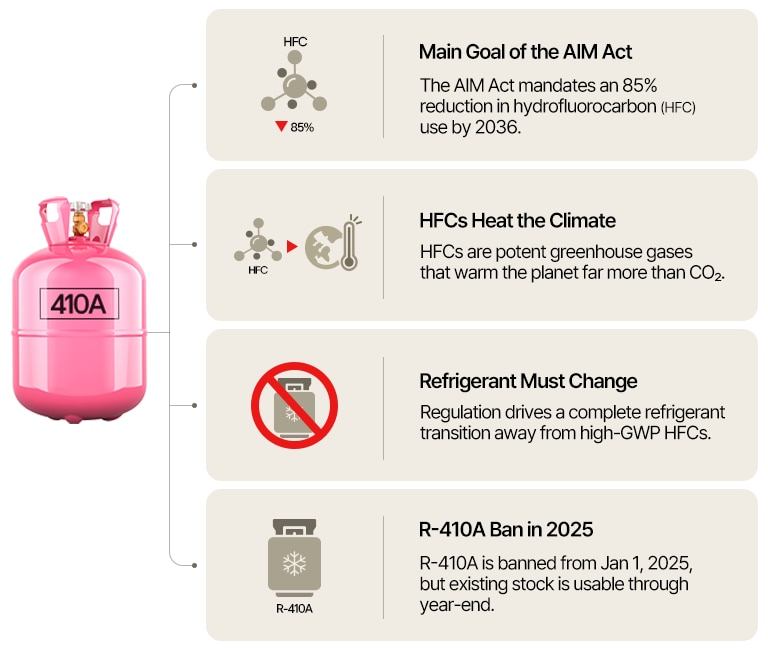
Hydrofluorocarbons (HFCs) replaced ozone-depleting refrigerants but still have high GWP. Governments ban or limit HFCs to lower greenhouse gas emissions. Safer alternatives with low GWP are promoted to protect the climate.
Health And Safety Risks
Refrigerants play a crucial role in cooling systems. Yet, they pose significant health and safety risks. Governments often ban certain refrigerants to protect the public. Understanding these risks helps explain why such actions are necessary.
Toxicity And Exposure Dangers
Some refrigerants are toxic and can harm humans. Exposure can occur through leaks in cooling systems. Symptoms include dizziness, headaches, or even more severe health issues. Prolonged exposure increases these risks. Workers in industries using refrigerants face these dangers daily.
Fire And Explosion Hazards
Certain refrigerants are flammable. This creates a risk of fire or explosion. Improper handling or system malfunctions can ignite these substances. Such incidents can cause property damage and endanger lives. Safety measures are critical to prevent such hazards.
Government Regulations
Government regulations play a crucial role in shaping the use of refrigerants worldwide. These rules are designed to protect the environment and public health by controlling substances that harm the ozone layer and contribute to global warming. Understanding these regulations helps you see why certain refrigerants keep getting banned and replaced.
Major Bans And Policies
Many countries have imposed strict bans on refrigerants known to damage the ozone layer, such as chlorofluorocarbons (CFCs) and hydrochlorofluorocarbons (HCFCs). These substances were once common but were phased out due to their high ozone depletion potential.
Governments now encourage the use of alternatives with lower environmental impact, like hydrofluoroolefins (HFOs) and natural refrigerants such as ammonia and carbon dioxide. This shift is not only about the environment—it also pushes industries to innovate and improve energy efficiency.
Have you ever wondered how these policies affect the availability and cost of cooling systems you use daily? Regulations often lead to higher costs initially but promote sustainable choices in the long run.
International Agreements
International agreements are a backbone of global refrigerant regulations. The Montreal Protocol, signed by almost every country, is one of the most successful treaties aimed at phasing out ozone-depleting substances.
This agreement sets clear timelines for reducing and eventually banning harmful refrigerants worldwide. It ensures that no country lags behind in protecting the ozone layer, creating a level playing field for industries and consumers.
Imagine the impact if countries did not cooperate on this issue—would your environment be healthier today? These agreements show how collective action can lead to meaningful environmental protection.
Industry Impact And Response
The government’s move to ban certain refrigerants has a wide impact on the industry. Manufacturers, suppliers, and service providers must quickly adjust to new rules. These changes push the industry to adopt safer and eco-friendly options. The response from companies varies, but all face challenges and new opportunities.
Innovation In Refrigerant Alternatives
Companies invest heavily in finding new refrigerants. These alternatives have lower global warming potential. Research focuses on chemicals that cool efficiently and are safer for the environment. Some new refrigerants are natural substances like hydrocarbons or carbon dioxide. Innovation also includes improving system designs for better energy use.
Smaller leaks and longer equipment life are key goals. Industry players partner with scientists and engineers. The aim is to create solutions that meet regulations and customer needs. This innovation drives progress and helps reduce environmental harm.
Economic And Market Changes
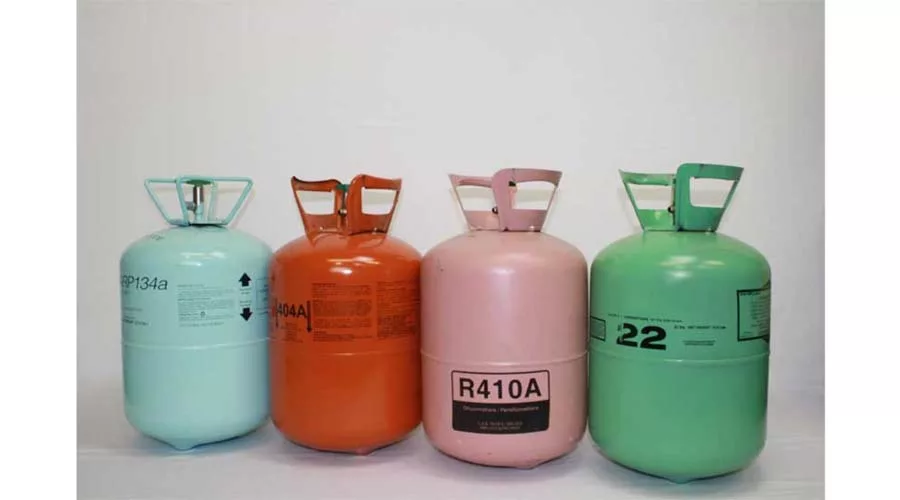
Banning refrigerants causes shifts in prices and supply chains. Older refrigerants become scarce and expensive. New products often cost more at first. Businesses must manage these cost changes carefully. Some companies pass costs to customers, while others absorb them.
New training and certification for technicians increase operational costs. Market demand shifts towards eco-friendly products. This creates new business chances for innovators and early adopters. Smaller firms may struggle with high costs. Larger companies often lead the transition.
Credit: www.achrnews.com
Future Of Refrigerants
The future of refrigerants is shaping up to be a mix of innovation and responsibility. Governments worldwide keep banning certain refrigerants to protect the environment, pushing industries to find safer alternatives. Understanding what lies ahead helps you grasp why these changes matter to your daily life and the planet.
Emerging Technologies
New refrigerants are coming with lower global warming potential and zero ozone depletion. Technologies like hydrofluoroolefins (HFOs) and natural refrigerants such as ammonia and CO2 are gaining attention.
These options not only reduce environmental impact but also improve energy efficiency. Some companies are even experimenting with magnetic refrigeration, which uses no chemicals at all. Could these innovations change how your fridge or air conditioner works in the near future?
Balancing Environmental And Practical Needs
Switching to greener refrigerants isn’t as simple as it sounds. The new substances must be safe, affordable, and compatible with existing systems.
Take flammability and toxicity into account—some eco-friendly refrigerants pose risks that need careful handling. Manufacturers and policymakers must find a middle ground where environmental goals meet practical usage.
Are you prepared for the shift in refrigerant technology? Understanding these challenges helps you make smarter choices when buying appliances or advocating for greener policies.
Frequently Asked Questions
Why Does The Government Ban Certain Refrigerants?
Governments ban refrigerants that harm the ozone layer or contribute to global warming. These bans protect the environment and public health by reducing greenhouse gases and ozone depletion.
How Do Refrigerant Bans Impact The Environment?
Refrigerant bans reduce emissions of harmful chemicals, protecting the ozone layer and slowing climate change. This leads to cleaner air, healthier ecosystems, and less global warming.
What Alternatives Replace Banned Refrigerants?
Environmentally friendly alternatives like hydrofluoroolefins (HFOs) and natural refrigerants such as ammonia and CO2 replace banned substances. These options have lower global warming potential and are safer for the planet.
When Did Major Refrigerant Bans Start?
Major refrigerant bans began in the 1980s with the Montreal Protocol to phase out CFCs. Since then, governments worldwide have implemented stricter regulations to protect the ozone layer.
Conclusion
Governments ban certain refrigerants to protect the environment. These chemicals harm the ozone layer and cause climate change. Safer alternatives help reduce pollution and save energy. Changing refrigerants can be hard but necessary for our planet. Everyone benefits from cleaner air and cooler homes.
The rules aim to keep future generations safe and healthy. Understanding these changes helps us support a greener world. It’s a step toward a better, cleaner future for all.