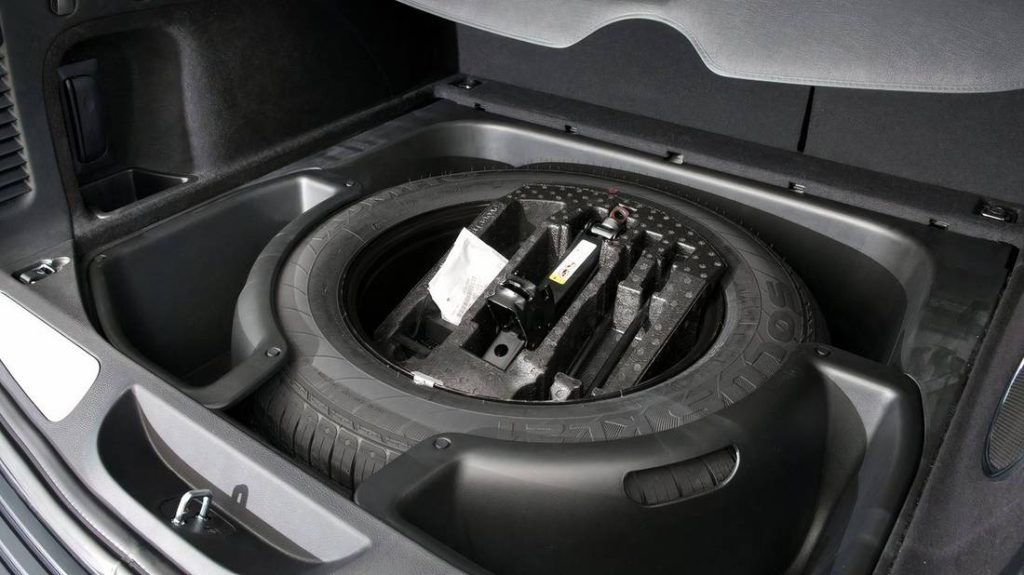
Have you noticed that many new cars no longer come with a spare tire? If you’ve ever wondered why, you’re not alone.
It might seem strange or even risky at first, especially if you’re used to having that extra tire ready just in case. But there’s a good reason behind this change—and it could actually save you time, money, and hassle in the long run.
Keep reading to discover why spare tires are disappearing from new cars and what that means for you on the road.
Rise Of Tire Repair Kits
Many new cars do not come with spare tires anymore. Instead, they include tire repair kits. These kits help fix small tire problems quickly. They save space and reduce car weight.
Car makers choose repair kits because they are easy to use. Drivers can fix a flat tire without needing to change it on the road. This change reflects new technology and design trends.
How Kits Replace Spare Tires
Tire repair kits include tools and sealant to fix small punctures. They work fast and let drivers continue their trip. Kits are often lighter and take less space than spare tires.
- Sealant plugs small holes inside the tire
- Air compressor inflates the tire after sealing
- Compact design fits easily in car storage areas
- Simple instructions help drivers fix tires on their own
Benefits Of Repair Kits
| Benefit | Explanation |
| Space Saving | Kits occupy less trunk space than spare tires. |
| Weight Reduction | Lighter weight improves fuel efficiency and handling. |
| Easy to Use | Simple tools allow quick tire fixes without help. |
| Cost Effective | Kits cost less than full spare tire assemblies. |
| Safety | Drivers avoid risky tire changes on busy roads. |

Credit: www.wcpo.com
Weight And Fuel Efficiency
New cars often do not have spare tires to reduce weight. Car makers want to make cars lighter.
Lighter cars use less fuel and help the environment. This is why many new cars skip spare tires.
Impact Of Spare Tires On Vehicle Weight
Spare tires add extra weight to a car. This weight affects how the car drives and uses fuel.
Removing the spare tire can cut the car’s weight by 20 to 30 pounds. This helps the car run better.
- Less weight means better acceleration
- Improves braking and handling
- Reduces wear on tires and brakes
Fuel Economy Improvements
Lighter cars use less energy to move. This reduces the amount of fuel needed for driving.
Car makers design new cars without spare tires to meet strict fuel standards. This helps save money on gas.
- Lower fuel use means fewer emissions
- Better mileage saves driver money
- Supports cleaner air goals
Cost-cutting Measures
Many new cars do not come with spare tires anymore. This change helps car makers save money. Removing the spare tire lowers the cost of making the car.
Car makers want to offer cars at lower prices. Cutting the spare tire is one way to do this without losing quality.
Manufacturing Savings
Spare tires take up space and add weight to the vehicle. Car makers save money by not including them. Less material and fewer parts are needed.
Removing the spare tire also lowers shipping and storage costs. This helps factories run more efficiently and saves money on logistics.
- Less material used
- Lower shipping costs
- Reduced storage space needed
- Simpler assembly process
Effect On Vehicle Pricing
Without a spare tire, the car costs less to build. Car makers pass some savings to buyers with lower prices. This makes new cars more affordable for many people.
Some buyers may not miss the spare tire. Roadside assistance and tire repair kits offer alternatives. This allows car makers to reduce prices while keeping customers happy.
Credit: carbuzz.com
Technological Advances In Tires
New cars often do not have spare tires because tire technology has improved a lot. These advances help drivers avoid flat tires and keep driving safely.
Car makers use new tire designs to save space and reduce car weight. These changes improve fuel efficiency and make cars safer.
Run-flat Tire Technology
Run-flat tires let drivers keep driving even after a puncture. They have reinforced sidewalls that support the car’s weight without air.
This technology removes the need for a spare tire. Drivers can reach a repair shop safely without changing the tire on the road.
- Supports car weight without air pressure
- Allows driving up to 50 miles after a puncture
- Reduces car weight by removing spare tire
Improved Tire Durability
Tire materials have become stronger and last longer. New rubber compounds resist wear and damage better than before.
Better durability means fewer tire failures on the road. This lowers the need to carry a spare tire for emergencies.
- Stronger rubber compounds resist cuts and cracks
- Improved tread designs reduce wear
- Longer-lasting tires lower replacement frequency
Space Constraints In Modern Cars
New cars often do not have spare tires. One reason is the limited space inside modern vehicles. Car makers design cars to be smaller and lighter. This helps save fuel and improve performance.
Because of smaller spaces, it is hard to fit a full-size spare tire. Designers must find new ways to use the available space smartly. This change affects how cars store tools and tires.
Design Changes In Vehicle Interiors
Car interiors have changed a lot in recent years. Designers focus on making cabins roomy and comfortable. They also add more technology and storage areas.
These changes reduce the room for traditional spare tires. Instead, cars use space for seats, electronics, and safety features. The trunk area is also smaller in many models.
Alternative Storage Solutions
Without space for spare tires, cars use other options for emergencies. Some have tire repair kits instead of full tires. These kits help fix small punctures quickly.
Other vehicles use run-flat tires. These tires can drive a short distance even if damaged. This lets drivers reach a repair shop safely without changing the tire on the road.
- Tire repair kits take less space than spare tires
- Run-flat tires allow driving with a puncture
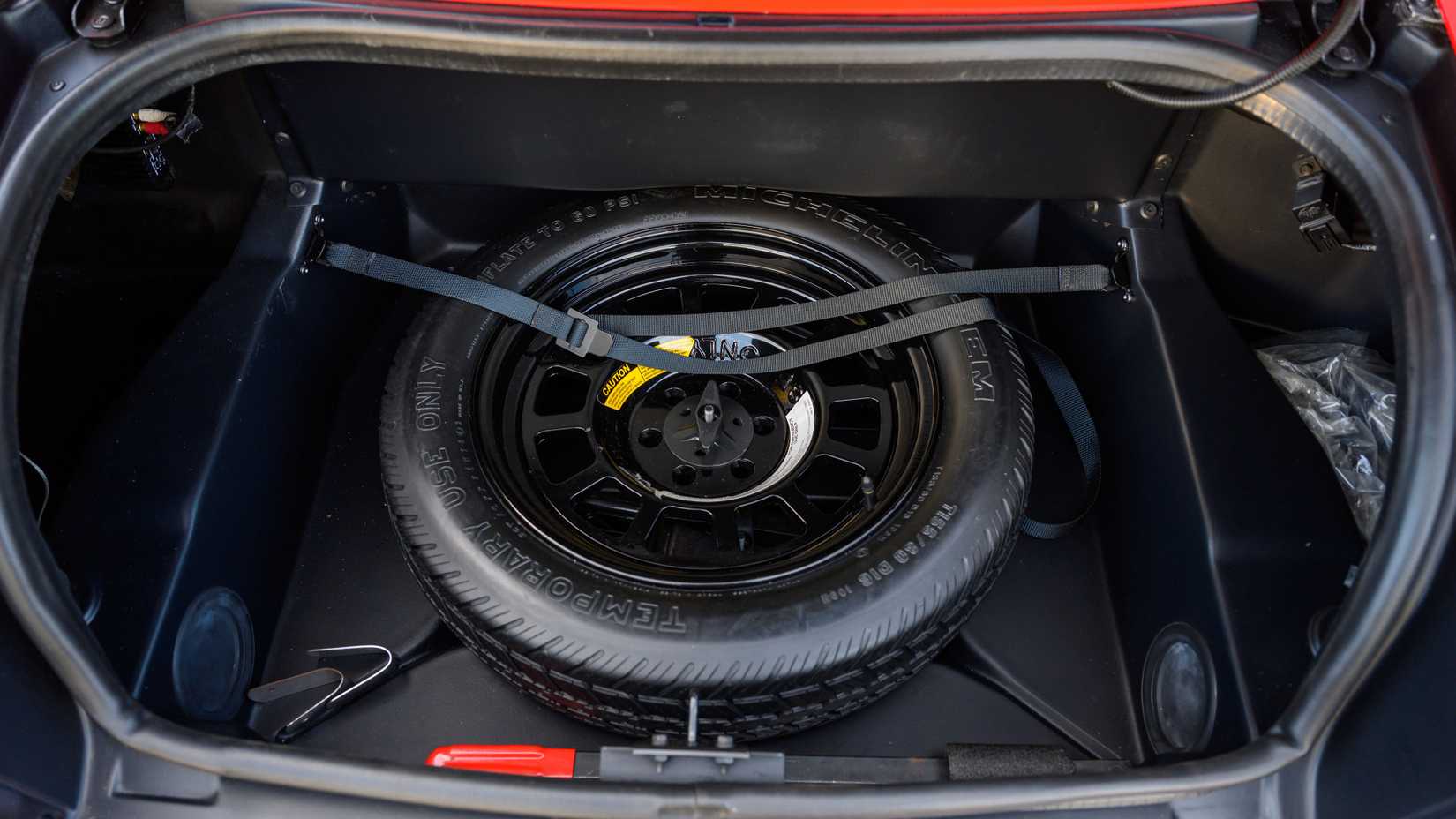
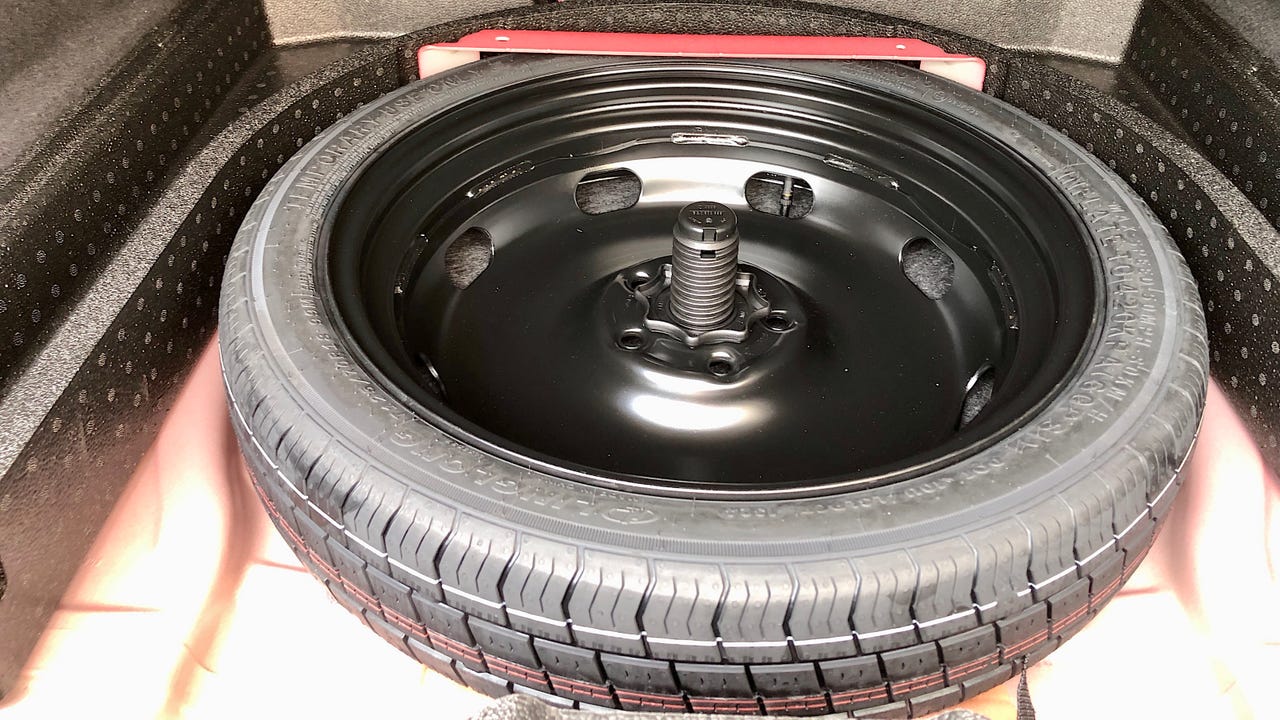
- Some cars store smaller, temporary spares under the floor
Credit: www.designnews.com
Safety Considerations
New cars often do not include spare tires. This change is based on safety reasons. Car makers focus on safer, more reliable options.
Understanding these safety considerations helps explain why spare tires are less common today. Let’s look at the risks and alternatives.
Risks Of Using Spare Tires
Spare tires are usually smaller and less durable. They are not meant for long distances or high speeds. This can cause safety problems.
Using a spare tire for too long may lead to tire failure. This can increase the chance of accidents. Drivers must change to a regular tire quickly.
- Smaller size reduces grip and handling
- Lower speed limits when using spares
- Higher risk of blowouts if used too long
- Can cause uneven car balance and control
Reliability Of Repair Kits And Run-flat Tires
Many new cars use repair kits or run-flat tires instead of spares. Repair kits fix small punctures quickly without a tire change.
Run-flat tires allow drivers to continue driving safely after a puncture. They can go limited distances at reduced speeds, avoiding immediate tire swaps.
- Repair kits are easy to use and save space
- Run-flat tires improve safety after a puncture
- Both reduce the need for a full-size spare tire
- They help avoid dangerous roadside tire changes
Consumer Reactions And Preferences
Many car buyers notice that new cars often do not include spare tires. This change has sparked different feelings among consumers. Some find it convenient, while others worry about safety.
Understanding how people react helps car makers improve their products. It also shows how buyers adapt to new ways of handling tire problems.
Public Opinion On Spare Tire Removal
People share mixed views about removing spare tires from new cars. Some think it saves space and weight. Others feel unprepared for emergencies without a spare tire.
- Some consumers like the extra trunk space.
- Others worry about getting stranded on the road.
- Many expect cheaper car prices without spare tires.
- A few find the idea of tire repair kits confusing.
Adaptation To New Solutions
Car owners use different methods to adjust to cars without spare tires. Many rely on new technology and roadside services. Some keep portable air pumps or tire sealants in their cars.
| Adaptation Method | Description | Consumer Preference |
| Run-flat tires | Can drive short distances after a puncture | Popular for safety |
| Tire repair kits | Temporary fix for small punctures | Mixed feelings about ease of use |
| Roadside assistance | Professional help in emergencies | Trusted by many drivers |
| Portable air pumps | Allows inflating tires on the go | Useful but less common |
Future Of Spare Tires
Many new cars do not come with spare tires. Car makers want to save space and weight. This helps improve fuel efficiency and reduce costs.
The future of spare tires looks different from the past. New ideas and trends change how drivers handle flat tires.
Potential Innovations
Car makers work on new ways to replace spare tires. Some use tire repair kits to fix small holes quickly. Others develop run-flat tires that let drivers continue driving after a puncture.
New materials and designs also aim to make tires last longer and resist damage better. This lowers the need for a spare tire in the car.
- Tire sealant kits for quick repairs
- Run-flat tires that keep working after damage
- Lightweight, durable tire materials
- Smart sensors to monitor tire health
Industry Trends
Many car brands now skip spare tires to save space. They give drivers tools to fix flats instead. This trend grows as cars become lighter and more efficient.
Electric vehicles often do not have spare tires. They use special tires and repair kits. Tire makers also focus on making tires that last longer and reduce waste.
- More cars without spare tires on the market
- Focus on lightweight and efficient cars
- Use of tire repair kits and run-flat tires
- Longer-lasting tires to reduce replacements
Frequently Asked Questions
Why Don’t New Cars Include Spare Tires?
Many new cars omit spare tires to save space, reduce weight, and improve fuel efficiency. Automakers often provide alternatives like run-flat tires or tire repair kits. These solutions are lighter and more compact, aligning with modern design and efficiency goals.
What Alternatives Do New Cars Offer?
New cars typically offer run-flat tires, tire repair kits, or inflator kits as alternatives. These solutions help maintain vehicle efficiency and space. Run-flat tires allow driving for limited distances even when punctured, while repair kits offer temporary fixes for minor tire issues.
Are Run-flat Tires Better Than Spare Tires?
Run-flat tires provide convenience by allowing you to drive even when punctured. They eliminate the need for immediate tire changes. However, they can be more expensive to replace and may offer a stiffer ride. The choice depends on personal preferences and driving habits.
How Do Tire Repair Kits Work?
Tire repair kits usually include a sealant and an inflator. When a tire puncture occurs, the sealant is injected into the tire to seal the hole. The inflator then restores tire pressure, allowing temporary driving until a proper repair or replacement is possible.
Conclusion
New cars often skip spare tires to save space and weight. This helps improve fuel efficiency and car design. Many vehicles now use tire repair kits or run-flat tires instead. These options can fix small punctures quickly and safely. Still, carrying extra care tools is smart for emergencies.
Knowing why spare tires are less common helps drivers prepare better. It also shows how car makers focus on safety and efficiency today. Keep your car ready with the right tools and knowledge. That way, you stay safe on every drive.