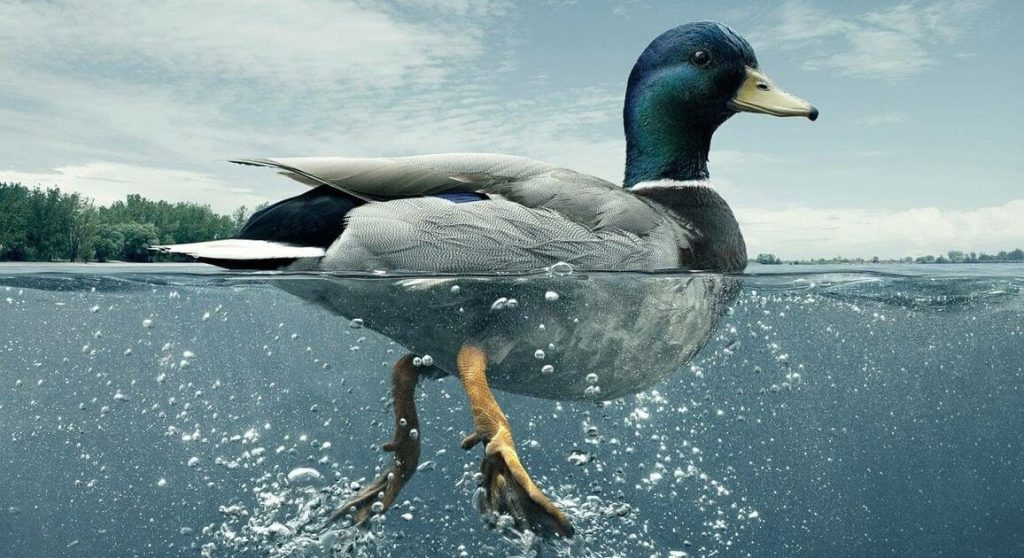
Have you ever wondered why ducks happily paddle through icy waters while you shiver just thinking about stepping outside without shoes? The secret lies in their incredible feet!
Ducks have a fascinating adaptation that prevents their feet from freezing, even in the coldest conditions. This natural marvel might seem like magic, but it’s actually a brilliant design of nature. By understanding this wonder, you not only satisfy your curiosity but also gain insight into the amazing survival strategies of wildlife.
So, if you’ve ever paused to marvel at a duck gliding effortlessly across a frozen pond, you’re in for a treat. Discover the science behind this chilly mystery and find out how ducks keep their feet warm all winter long. Keep reading to unlock the secrets beneath those webbed wonders!

Credit: www.youtube.com
Ducks’ Cold Habitat Challenges
Ducks live in cold places where water often freezes. Their feet touch icy water and snow. Staying warm is a big challenge. Cold weather can harm animals. Ducks have special ways to keep their feet safe. Understanding these challenges helps us see how ducks survive harsh winters.
Winter Conditions For Waterfowl
Winter brings freezing air and icy water. Lakes and ponds often freeze over. Snow covers the ground and hides food. Waterfowl must find open water to swim and eat. Temperatures can drop below freezing for days. Wind and moisture increase the cold’s effect. Ducks face a tough environment that tests their survival skills.
Risks Of Frozen Feet
Water around ducks’ feet can freeze quickly. Frozen feet cause pain and injury. Ice cuts and frostbite damage skin and tissue. If ducks lose feeling in their feet, they struggle to walk. Cold feet also reduce their ability to escape predators. Staying warm is vital for their health and safety.
Unique Anatomy Of Duck Feet
Ducks survive icy waters due to their unique feet anatomy. Their feet stay warm without freezing even in cold environments. This amazing ability comes from special structures and blood flow.
Structure Of Webbed Feet
Duck feet have webbing between their toes. This webbing helps them swim efficiently in water. The feet are flat and wide, spreading their weight on soft surfaces. The skin on their feet is thick and tough, protecting against cold and rough ground.
The bones in duck feet are strong but light. This design supports walking on slippery ice and swimming. The shape also helps reduce heat loss by limiting surface area exposed to cold air.
Specialized Blood Vessels
Ducks have a special blood flow system in their feet. Arteries and veins lie close together. Warm blood from the body passes through arteries. Cold blood returns in veins nearby.
This arrangement allows heat exchange. Warm blood heats the cold blood returning to the heart. This process keeps the feet just above freezing. It stops the feet from losing too much heat in icy water.
The system is called counter-current heat exchange. It helps ducks keep their feet warm without using much energy. This clever design lets them stay active in winter and cold climates.
Counter-current Heat Exchange
Ducks have a special way to keep their feet warm in icy water. This is called counter-current heat exchange. It helps stop their feet from freezing. This natural system works by controlling blood flow between warm and cold areas.
How Blood Flow Regulates Temperature
Inside a duck’s legs, arteries and veins lie close together. Warm blood flows down from the body through arteries. Cold blood returns from the feet through veins. Heat moves from the warm arteries to the cool veins. This warms the blood returning to the body and cools the blood going to the feet.
This process lowers the temperature of blood reaching the feet. It stops heat from escaping too quickly. The feet stay cold but not frozen. This balance protects the duck in freezing water.
Efficiency In Heat Conservation
This system is very efficient. It saves most of the body’s heat energy. Ducks do not waste warmth by sending hot blood into cold feet. Instead, the heat stays in the body’s core. This helps ducks stay active and healthy in cold weather.
Counter-current heat exchange also reduces energy use. Ducks need less effort to keep warm. This natural design suits their wet and chilly habitats perfectly.

Credit: www.youtube.com
Role Of Feathers And Behavior
The role of feathers and behavior plays a crucial part in why ducks’ feet don’t freeze in icy waters. Both act together to protect their legs and feet from extreme cold. You might be surprised how these natural strategies work seamlessly to keep ducks comfortable and active in winter.
Feather Insulation Near Legs
Ducks have dense feathers that cover their bodies, but the insulation near their legs is especially important. These feathers create a layer of trapped air, which acts like a thermal blanket. This helps reduce heat loss from the skin and keeps the blood flowing warm.
Interestingly, ducks have fewer feathers directly on their feet, but the feathers around the upper legs and body provide enough warmth. This design allows their feet to remain exposed to water without freezing, as the blood circulation is carefully regulated.
Behavioral Adaptations To Cold
Ducks use smart behaviors to avoid freezing their feet. One common behavior is standing on one leg, pulling the other close to their body to share warmth. You might have seen this yourself if you’ve watched ducks resting by a pond in winter.
They also tuck their feet under their belly feathers when resting. This simple action significantly reduces heat loss. Have you ever noticed how they keep moving their toes? This movement helps maintain blood flow, preventing ice buildup.
- Ducks choose warmer spots or huddle together to share heat.
- They swim regularly, which helps keep their feet warm through circulating water.
- By adjusting their posture, they minimize exposure to cold surfaces.
Thinking about your own cold days, what habits could you borrow from ducks to stay warm? Their combination of physical features and behavior offers practical lessons in cold endurance.
Comparisons With Other Birds
Ducks have special features that keep their feet from freezing in cold water. Comparing these features with other birds helps us understand how nature solves this problem. Birds living in cold places have different ways to protect their feet from frostbite. Some share similar traits with ducks, while others have different adaptations.
Similar Adaptations In Waterfowl
Waterfowl like ducks, geese, and swans have a unique system called counter-current heat exchange. This system helps keep their feet warm. Warm blood flowing from the body passes close to cold blood returning from the feet. Heat transfers between these blood vessels, reducing heat loss.
Their feet also have fewer nerves and blood vessels near the skin. This lowers the risk of frostbite. Thick scales on their feet add protection against cold surfaces. These adaptations help water birds stay active in icy waters.
Differences In Land Birds
Land birds usually do not have the same heat exchange system as waterfowl. Their feet often have more blood flow and are less insulated. They rely on behavior to avoid freezing, such as standing on one leg or tucking feet under feathers.
Some land birds migrate to warmer areas during winter to avoid cold damage. Their feet may have less protection because they do not spend much time in icy water. These differences show how habitat shapes the way birds protect their feet.
Credit: www.youtube.com
Scientific Studies And Discoveries
Scientists have studied why ducks’ feet do not freeze in cold water. Their research reveals how ducks survive freezing temperatures without damage. These discoveries help us understand thermal regulation in animals and inspire new technologies.
Research On Thermal Regulation
Studies show ducks use a special system called counter-current heat exchange. Warm blood flows from the body to the feet through arteries. Cold blood returns from the feet to the body through veins. Heat transfers from warm arteries to cold veins, keeping feet just above freezing.
This system limits heat loss while allowing feet to stay cold but not frozen. Researchers found blood vessels are arranged close together to maximize heat exchange. This design keeps ducks’ feet safe in icy water without losing body heat.
Technological Applications Inspired By Ducks
Scientists use knowledge from ducks’ feet to develop new technologies. Some materials mimic the heat exchange system for better insulation. Engineers design clothing and footwear that keep warm without bulkiness.
Other inventions focus on energy savings. Heat exchange systems in buildings and machines now imitate ducks’ efficient blood flow. This reduces energy use and improves comfort in cold environments.
Frequently Asked Questions
Why Don’t Ducks’ Feet Freeze In Cold Water?
Ducks have a unique blood flow system called counter-current heat exchange. Warm blood heats the cold blood returning to the heart. This process keeps their feet just above freezing without losing body heat.
How Do Ducks Stay Warm On Icy Surfaces?
Ducks have minimal fat and feathers on their feet. Instead, their circulation system reduces heat loss. This allows them to stand on ice without their feet freezing or becoming numb.
Do Ducks Have Special Adaptations For Cold Environments?
Yes, ducks possess a counter-current heat exchange system in their legs. This adaptation conserves heat by warming blood before it reaches the extremities, preventing frostbite and maintaining mobility in freezing conditions.
Can Duck Feet Survive Freezing Temperatures Without Injury?
Yes, the blood flow mechanism prevents ice formation in duck feet. It maintains a temperature just above freezing, ensuring tissue stays healthy and ducks avoid frostbite even in very cold environments.
Conclusion
Ducks have special blood flow in their feet that keeps them warm. Their feet have fewer nerves and muscles, so they feel less cold. Tiny blood vessels help keep heat close to their bodies. This natural design stops their feet from freezing in icy water.
Ducks show us how nature solves tough problems. Next time you see a duck walking on ice, remember this clever trick. Their feet stay warm, so they can live comfortably in cold places. Nature’s way is simple and smart.