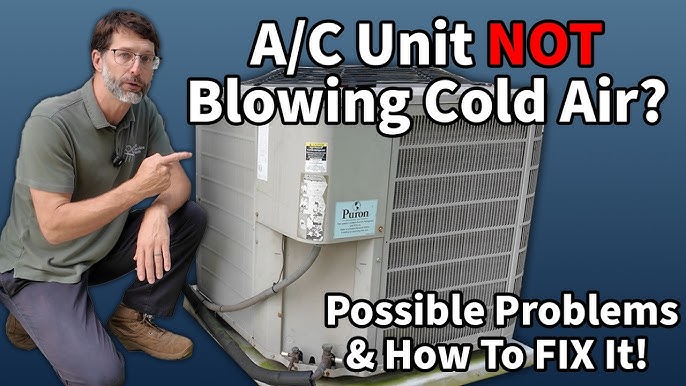
Is your air conditioner blowing warm air instead of the refreshing coolness you crave? You’re not alone.
Many people face the frustrating issue of an AC not cooling, especially when the temperature outside is soaring. This problem can be more than just an inconvenience; it can turn your home into an uncomfortable space. But don’t worry—understanding why this happens is the first step to fixing it.
You’ll discover the common reasons your air conditioner might not be cooling effectively and learn simple solutions that can help you restore the comfort of your home. Stay with us to uncover how to keep your cool, literally!

Credit: www.delcohvac.com
Common Reasons For Poor Cooling
Dirty air filtersblock airflow, making the air conditioner less effective. Clogged filters cause the system to work harder, reducing cooling power and increasing energy use.
Refrigerant leakslower the cooling capacity. Without enough refrigerant, the air conditioner cannot absorb heat properly. This leads to warm air blowing from the vents.
Faulty thermostatcan cause wrong temperature readings. If the thermostat is not working well, the AC may not turn on or off at the right time, affecting cooling.
Blocked condenser coilsstop heat from escaping. Dirt and debris on the coils reduce the system’s ability to cool the air effectively.
Electrical issueslike blown fuses or faulty wiring can prevent the AC from running properly. These problems may cause the unit to shut down or not start at all.
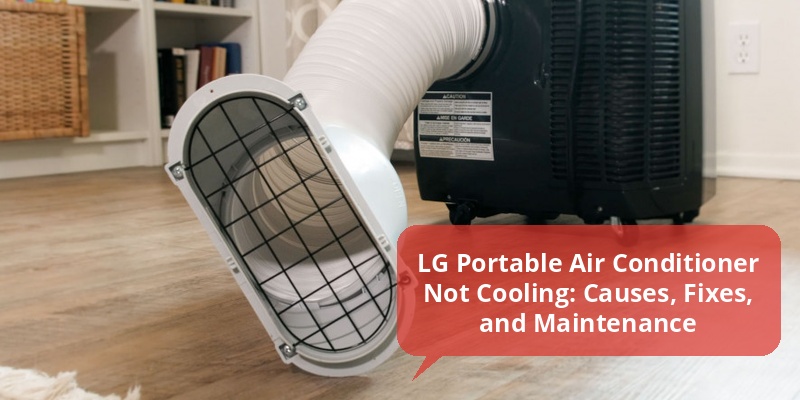
Credit: northnjhvac.com
How To Identify Cooling Problems
Checking airflowis important to find cooling problems. Make sure the vents are not blocked by furniture or dust. Clean filters often to keep air moving well. Poor airflow can stop the air conditioner from cooling properly.
Inspecting temperature differenceshelps spot issues. Feel the air coming from the vents. It should be much cooler than room air. If the air is warm or only a little cooler, the AC may have a problem.
Listening for unusual noisescan also help. Strange sounds like grinding, buzzing, or rattling are signs of trouble. These noises might mean parts are broken or need cleaning.
Quick Fixes For Cooling Issues
Cleaning or replacing filterscan improve airflow and cooling. Dirty filters block air and reduce efficiency. Check the filter every month and clean or replace it if needed.
Clearing debris from coilshelps the air conditioner cool better. Leaves, dirt, and dust on coils stop heat from leaving your home. Gently clean the coils with a soft brush or cloth.
Resetting the thermostatcan fix cooling issues. Turn off the thermostat, wait a few minutes, then turn it back on. This can reset any errors and help the system work properly.
Tightening electrical connectionskeeps the system safe and working well. Loose wires can cause the air conditioner to stop cooling. Use a screwdriver to check and tighten all connections carefully.
When To Call A Professional
Refrigerant problemsneed special tools and knowledge. Low refrigerant means the air conditioner cannot cool well. A professional can check for leaks and refill the refrigerant safely. Do not try to add refrigerant yourself as it can be harmful and illegal.
Fixing electrical componentsinvolves working with wires and circuits. Faulty capacitors, fuses, or relays can stop the AC from running properly. Experts use testers to find and fix these issues without risk of electric shock or damage.
Sometimes, major partslike the compressor or fan motor fail. These parts are expensive and tricky to replace. Professionals know how to remove and install new parts correctly to keep the AC working efficiently.
Preventive Tips To Maintain Cooling
Regular filter cleaningkeeps air flowing smoothly. Dirty filters block air, making cooling hard. Check filters every month and wash or replace them as needed. This helps the AC work well and saves energy.
Seasonal system checkscatch small problems early. Check the coils, fins, and refrigerant levels before hot months. Clear debris around the unit to keep air moving. A clean, well-maintained system cools better and lasts longer.
Set the thermostat to a comfortable but not too low temperature. Keeping it around 24-26°C (75-78°F)helps the AC run efficiently. Avoid changing settings often; it wastes energy and stresses the system.
Credit: fischerheating.com
Frequently Asked Questions
Why Is My Air Conditioner Not Cooling The Room?
Your AC may not cool due to dirty filters, low refrigerant, or blocked vents. Check these first to restore cooling.
How Can Clogged Filters Affect Ac Cooling?
Clogged filters reduce airflow, making the AC work harder and cool less effectively. Regular cleaning improves cooling efficiency.
Could Low Refrigerant Cause Ac Cooling Issues?
Yes, low refrigerant means the AC can’t absorb heat properly, resulting in poor cooling performance. Recharging refrigerant helps.
Does A Dirty Condenser Impact Air Conditioner Cooling?
A dirty condenser coil blocks heat release, reducing cooling efficiency. Cleaning the coil ensures optimal AC performance.
Conclusion
An air conditioner not cooling can cause real discomfort. Check the filters, thermostat, and refrigerant levels first. Dirt and blockages often stop cool air from flowing. Sometimes, simple cleaning or resetting fixes the problem. For persistent issues, call a trusted technician.
Regular maintenance keeps your AC working well. Stay cool by acting early when cooling stops. Your comfort matters, so don’t delay repairs. Keep your home fresh and cool all summer.