When it comes to choosing a cutting board, you want one that lasts long and keeps your knives sharp. Have you ever wondered why some chefs and home cooks swear by end grain cutting boards?
The secret lies in how they protect your knives and stand up to daily chopping. If you care about your kitchen tools and want a board that works better for you, understanding the benefits of end grain cutting boards is a game changer.
Keep reading, and you’ll discover why switching to an end grain cutting board could be the best decision you make for your cooking space.
End Grain Vs Edge Grain
Cutting boards come in different wood grain styles. The two main types are end grain and edge grain. Each style affects how the board works and lasts.
Understanding the differences helps you pick the best board for your kitchen needs.
Grain Orientation Differences
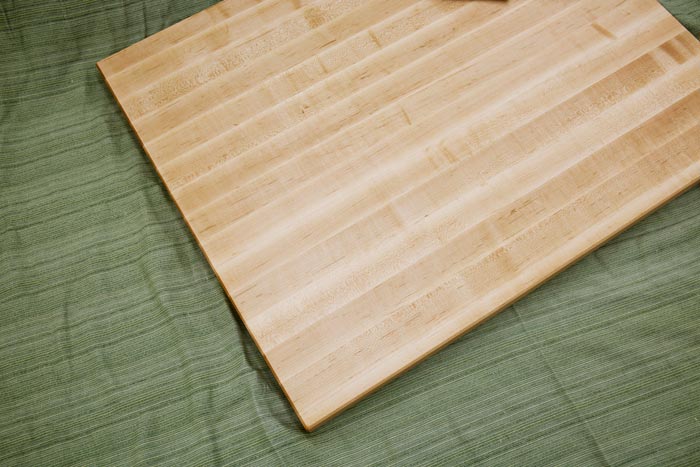
End grain boards show the wood fibers from the top. The fibers stand up vertically like tree rings. Edge grain boards show the side of the wood fibers. The fibers run lengthwise along the board.
This difference changes the board’s look and how it reacts to cutting. End grain looks like a checkerboard pattern, while edge grain has long wood lines.
- End Grain:Fibers face up, vertical to surface
- Edge Grain:Fibers run along the length, horizontal to surface
Impact On Cutting Surface
End grain boards are gentle on knives. The knife cuts between the wood fibers. The fibers then close back up, helping the board last longer.
Edge grain boards show cuts more easily. The knife slices across the fibers. This can dull knives faster and leave visible marks on the board.
- End Grain:Self-healing surface, protects knives
- Edge Grain:Shows cuts, dulls knives quicker
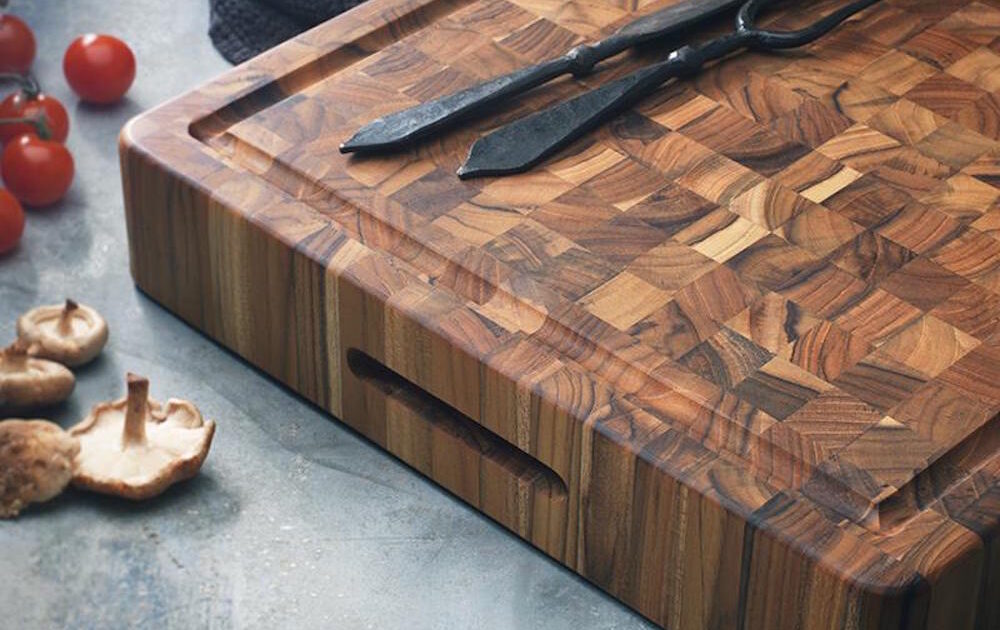
Credit: www.organicauthority.com
Durability Benefits
End grain cutting boards are made by arranging wood fibers vertically. This design helps the board last longer. The durability makes it a great choice for busy kitchens.
These boards can handle heavy use without showing damage. Their construction also protects your knives better than other types.
Resistance To Knife Marks
End grain boards show fewer knife marks because the blades cut between the wood fibers. The fibers absorb the cuts instead of breaking. This keeps the surface smooth and safe for food.
Less damage means your board stays cleaner and easier to maintain. It also helps prevent bacteria from hiding in deep grooves.
Longer Lifespan
End grain boards last longer because they handle wear better. The vertical fibers flex under pressure and then return to shape. This stops cracks and splits from forming.
With proper care, these boards can serve for many years. Their strong build means fewer replacements and better value over time.
Knife Friendliness
End grain cutting boards are better for your knives. They help keep your blades in good shape for longer.
The way the wood fibers are arranged in end grain boards makes a big difference. This helps protect your knives every time you cut.
Protecting Your Blades
End grain boards have wood fibers that stand up vertically. When you cut, the knife goes between these fibers.
This reduces wear on the blade. The wood gives a little, so the knife edge does not hit hard surfaces.
- Less dulling of the blade
- Less damage to the knife edge
- Wood fibers close back after cutting
Maintaining Sharpness
Because the knife edge is not damaged quickly, it stays sharp longer. This means you need to sharpen less often.
Using an end grain board helps your knife keep its fine cutting edge. The board absorbs some impact during cutting.
- Less frequent sharpening needed
- Blade edge lasts longer
- Better cutting performance over time
Care And Maintenance
End grain cutting boards last longer with the right care. Proper cleaning and conditioning keep the wood strong.
Taking simple steps protects the board from damage and keeps it safe for food preparation.
Cleaning Techniques
Clean your end grain board after each use. Use warm water and mild soap. Avoid soaking the board in water.
- Rinse the board with warm water
- Use a soft sponge and mild dish soap
- Rinse thoroughly to remove soap
- Dry the board immediately with a clean towel
- Let it air dry upright to avoid moisture buildup
Oiling And Conditioning
Oiling your cutting board protects the wood and stops it from drying out. Use food-safe mineral oil or special cutting board oils.
| When to Oil | How to Apply |
| After cleaning and drying | Apply oil with a clean cloth, rub evenly |
| Once a month or when wood looks dry | Let oil soak for a few hours, then wipe excess |
| Before first use | Apply generous coat and let sit overnight |
Avoiding Common Damages
Protect your board by avoiding actions that cause damage. Follow these tips to keep it in good shape.
- Do not place the board in the dishwasher
- Avoid extreme heat or direct sunlight
- Never soak the board in water
- Use both sides to spread wear evenly
- Keep away from strong chemicals or bleach
- Trim nails and avoid cutting with sharp claws
Choosing The Right Wood
Choosing the right wood is important for end grain cutting boards. The wood must be strong and safe for food use. It also needs to last long and protect your knives.
Different woods have different qualities. Some woods are harder, while others resist water better. Picking the right wood helps your board perform well.
Hardwood Options
Hardwood is the best choice for end grain boards. It handles knife cuts without damage. Hardwoods also resist stains and odors from food.
Common hardwoods include maple, walnut, and cherry. These woods are dense and durable. They offer a smooth surface that heals from knife marks.
- Maple: Light color, very strong, easy to clean
- Walnut: Dark color, rich look, good hardness
- Cherry: Warm tone, smooth texture, ages well
Sustainability Considerations
Choosing sustainable wood helps protect forests. Look for wood from managed forests or recycled sources. This choice supports the environment.
Some woods are more eco-friendly because they grow fast or are easy to replace. Avoid woods from endangered trees or illegal logging.
- Use FSC certified wood to ensure responsible harvesting
- Choose locally sourced wood to reduce transport impact
- Avoid tropical hardwoods with high deforestation rates
- Consider reclaimed wood for a second life
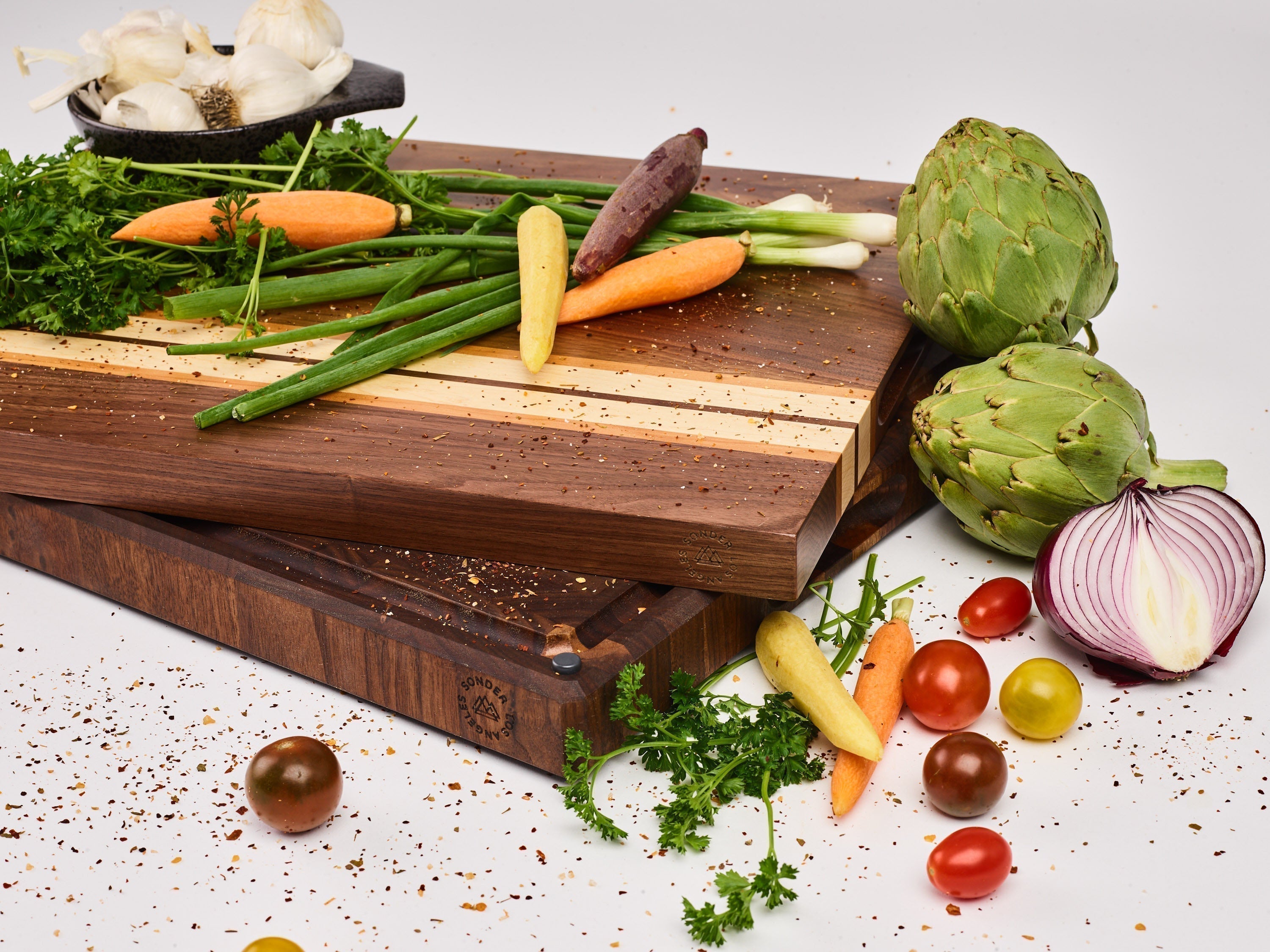
Credit: sonderla.com
Cost Vs Value
End grain cutting boards cost more than other types. Their price may seem high at first.
Still, many choose end grain boards for their long-lasting value and durability.
Initial Investment
End grain boards often cost more because they use more wood and need skilled work.
- High-quality hardwoods like maple are common
- Complex cutting and gluing of wood pieces
- More time and labor to craft the board
- Heavier and thicker than edge grain boards
Long-term Benefits
End grain boards last longer and protect knives better than other boards.
| Benefit | Explanation |
| Durability | Wood fibers absorb cuts, so the surface stays smooth longer. |
| Knife Friendly | Knives stay sharper because the wood gives way when cutting. |
| Repairable | Boards can be sanded and refinished to look new again. |
| Hygienic | End grain blocks resist deep cuts, reducing bacteria buildup. |
Common Myths
End grain cutting boards often face many myths. These myths make people unsure about buying or using them.
Understanding the facts helps you care for these boards properly and enjoy their benefits.
Misconceptions About End Grain Boards
Some believe end grain boards dull knives faster than other boards. This is not true. The wood fibers absorb the knife’s impact, protecting the blade.
- End grain boards are weak and break easily.
- They absorb too much water and rot quickly.
- They are harder to clean than other boards.
In fact, end grain boards are strong and resist cuts better. Proper sealing prevents water damage, and regular cleaning keeps them safe.
Clarifying Care Requirements
Caring for end grain boards is simple. They need regular oiling to stay smooth and prevent cracking.
| Care Task | Frequency | Purpose |
| Oiling | Once a month | Protects wood and prevents drying |
| Cleaning | After each use | Removes food particles and bacteria |
| Drying | Immediately after washing | Prevents warping and mold |
Do not soak the board in water or put it in the dishwasher. Use mild soap and dry it well.

Credit: www.reddit.com
Frequently Asked Questions
What Makes End Grain Cutting Boards Unique?
End grain cutting boards are unique due to their wood fibers. These fibers are aligned vertically, allowing knives to slide between them. This design minimizes wear and tear on knives, extending their lifespan. Additionally, end grain boards are self-healing, as fibers close up after cutting, reducing visible knife marks.
Are End Grain Cutting Boards More Durable?
Yes, end grain cutting boards are more durable. Their construction allows them to withstand heavy chopping without significant damage. The vertical grain alignment provides resilience and self-healing properties. This durability makes them a preferred choice for professional chefs and home cooks seeking long-lasting kitchen tools.
How Does End Grain Affect Knife Sharpness?
End grain cutting boards help maintain knife sharpness. The vertical wood fibers align in a way that cushions the knife blade. This reduces friction and impact, preventing dulling. As a result, knives remain sharper for longer periods, reducing the need for frequent sharpening.
Do End Grain Boards Require Special Maintenance?
End grain boards require regular maintenance. To keep them in top condition, oil them frequently with mineral oil. This prevents drying and cracking. Clean them with mild soap and water, then dry thoroughly. Avoid soaking or using the dishwasher, as excessive moisture can damage the wood.
Conclusion
End grain cutting boards last longer and stay sharp. They protect knives better than other boards. The wood fibers absorb cuts, keeping the surface smooth. This type also resists stains and bacteria well. Caring for these boards is simple with regular oiling.
They add a natural, beautiful look to kitchens. Choosing an end grain board means smart, practical cooking. It’s a small change with big benefits for your kitchen.