Imagine investing in a new refrigeration system only to find it underperforming, or worse, damaged. It’s not just frustrating—it’s costly.
You might wonder why this happens. One crucial step often overlooked during installation or maintenance is evacuating the refrigeration system. But why is this step so vital for your system’s health and efficiency? By understanding the importance of this process, you can ensure your refrigeration system runs smoothly and lasts longer.
You’re about to discover how this simple yet essential step can save you time, money, and the hassle of unexpected repairs. Stay with us, because understanding this could be the game-changer for your refrigeration needs.
Purpose Of Evacuating Refrigeration Systems
Evacuating a refrigeration system removes air, moisture, and contaminants from inside. This process creates a clean, dry environment for refrigerant flow. It helps the system run efficiently and prevents damage.
Without proper evacuation, air and moisture can cause many problems. These include corrosion, freezing, and poor cooling performance. Evacuation prepares the system for refrigerant charging and smooth operation.
Removing Moisture To Prevent Freezing And Corrosion
Moisture inside the system can freeze and block refrigerant flow. It also causes rust and corrosion on metal parts. Removing moisture keeps the system safe and extends its lifespan.
Eliminating Air To Improve Cooling Efficiency
Air reduces heat transfer and lowers system efficiency. It causes high pressure and reduces cooling capacity. Evacuation removes trapped air for better performance and energy savings.
Removing Contaminants To Protect System Components
Contaminants like dust and oils can damage compressors and valves. They cause wear and reduce system reliability. Evacuation cleans the system and protects its key parts.
Preparing The System For Proper Refrigerant Charging
Evacuation creates a vacuum needed for correct refrigerant filling. It ensures the right refrigerant amount and pressure. This step helps the system work as designed.

Credit: www.achrnews.com
Removing Moisture And Contaminants
Removing moisture and contaminants from a refrigeration system is crucial for its efficiency and longevity. Moisture and impurities can cause serious damage, reducing the system’s performance and increasing repair costs. Proper evacuation ensures these harmful elements are completely eliminated before the refrigerant is added.
Impact Of Moisture On System Performance
Moisture inside the refrigeration system causes ice to form. Ice blocks small passages, stopping refrigerant flow. This leads to poor cooling and higher energy use. Water also reacts with refrigerants, creating acids. These acids corrode metal parts and damage seals. Over time, moisture reduces system reliability and shortens lifespan.
Consequences Of Contaminants In Refrigerants
Contaminants like dirt, oil, and metal particles harm system parts. They clog filters and valves, causing malfunctions. Contaminants also reduce heat transfer efficiency. This forces the compressor to work harder, increasing wear and energy costs. Removing these impurities keeps the system clean and running smoothly.
Preventing Corrosion And Damage
Preventing corrosion and damage is a key reason why evacuating a refrigeration system is essential. Moisture inside the system can trigger chemical reactions that quickly deteriorate metal parts. By removing air and moisture before charging the system, you protect its components and extend its lifespan.
How Moisture Causes Corrosion
Moisture inside a refrigeration system reacts with the metal surfaces, creating rust and corrosion. This happens because water and oxygen combine to form oxides that eat away at the metal. Even small amounts of moisture can start this process, leading to leaks and system failure.
Think about a time you left a metal tool outside in the rain—after a few days, rust appears. The same principle applies inside your refrigeration system. Without proper evacuation, moisture remains trapped and begins damaging critical parts.
Long-term Effects On System Components
Over time, corrosion weakens pipes, valves, and other components, making them prone to cracks and leaks. This not only reduces efficiency but can also cause costly breakdowns. For example, corroded evaporator coils lose their ability to transfer heat effectively, forcing your system to work harder.
Electrical components are also at risk; moisture can cause short circuits or corrosion on connectors, leading to malfunctions. Protecting your system by evacuating it ensures you avoid these long-term headaches and expensive repairs.
Enhancing System Efficiency
Enhancing the efficiency of your refrigeration system starts with proper evacuation. Removing air, moisture, and contaminants before charging the system allows it to perform at its best. This process is often overlooked but plays a crucial role in keeping your system reliable and cost-effective.
Role Of Evacuation In Optimal Operation
Evacuating the refrigeration system creates a clean environment inside the pipes and components. Air and moisture trapped inside can cause blockages and corrosion, which reduce the system’s ability to cool effectively.
Imagine trying to breathe through a clogged filter—your system struggles the same way when it has contaminants inside. Proper evacuation ensures smooth refrigerant flow and prevents damage to vital parts like compressors and valves.
Have you ever noticed your fridge working harder and louder over time? That could be a sign of poor evacuation during installation or maintenance, leading to inefficiency and wear.
Energy Savings And Cost Benefits
When your refrigeration system runs efficiently, it uses less energy. Evacuation removes factors that make the compressor work overtime, which directly cuts down your electricity bills.
- Lower energy consumption means reduced operating costs.
- Less strain on components extends the lifespan of the system.
- Fewer repairs and breakdowns save you unexpected expenses.
Think about how much you could save if your system operated without unnecessary stress. Are you willing to risk higher bills and frequent repairs by skipping proper evacuation?
Ensuring Proper Refrigerant Flow
Ensuring proper refrigerant flow is a key part of maintaining an efficient refrigeration system. The refrigerant must move smoothly through the system’s components to absorb and release heat effectively. Any blockage or contamination can disrupt this flow, causing poor cooling performance and higher energy use.
Evacuating the system removes air, moisture, and other impurities that block refrigerant paths. Without proper evacuation, the refrigerant cannot circulate as intended. This leads to uneven cooling and potential damage to system parts.
Removing Air And Moisture
Air and moisture inside the system reduce refrigerant flow efficiency. Moisture can freeze and create blockages in small passages. Air lowers the refrigerant’s ability to absorb heat, making the system work harder. Evacuation clears these contaminants for smooth refrigerant movement.
Moisture inside the system causes corrosion in metal parts. Corrosion damages valves and pipes, disrupting refrigerant flow. Proper evacuation removes moisture, protecting the system from rust and leaks. This extends the system’s life and maintains flow quality.
Enhancing Cooling Efficiency
Clean refrigerant flow ensures consistent heat exchange. This keeps the cooling process steady and reliable. Evacuated systems reach desired temperatures faster and maintain them better. Proper flow reduces energy waste and lowers operational costs.
Avoiding System Failures And Breakdowns
Proper evacuation of a refrigeration system is crucial to avoid failures and breakdowns. Removing air, moisture, and contaminants ensures the system runs smoothly. Trapped air and moisture can cause corrosion and ice formation. These issues reduce the system’s efficiency and lifespan. A well-evacuated system lowers the risk of unexpected malfunctions.
Common Failures Linked To Poor Evacuation
- Compressor damage due to moisture and acid formation
- Blockages caused by ice forming in expansion valves
- Reduced cooling capacity from air contamination
- Corrosion inside pipes and components
- Increased energy consumption from system strain
Reducing Maintenance And Repair Needs
Evacuating the system properly lowers the chance of breakdowns. It keeps components clean and dry. This reduces wear and tear on parts. Less frequent repairs save time and money. Scheduled maintenance becomes easier and more effective. The system stays reliable for longer periods. Overall, good evacuation protects your investment.
Meeting Industry Standards And Regulations
Meeting industry standards and regulations is crucial in refrigeration system evacuation. These rules ensure safety, efficiency, and environmental protection. Following them helps avoid legal issues and costly fines.
Regulations set clear guidelines on how to handle refrigerants safely. They require technicians to remove air, moisture, and contaminants from the system. This process prevents damage and improves system performance.
Evacuating a refrigeration system properly aligns with standards such as those from ASHRAE and EPA. These organizations define correct procedures to protect the environment and human health. Compliance demonstrates professionalism and responsibility.
Ensuring Environmental Compliance
Proper evacuation prevents refrigerant leaks. Leaks can harm the ozone layer and increase greenhouse gases. Following environmental laws reduces this risk and supports global efforts to protect nature.
Protecting Equipment Longevity
Removing moisture and air avoids corrosion and freezing inside the system. This protection extends equipment life and reduces repair costs. Meeting standards guarantees the system runs smoothly and safely.
Maintaining System Efficiency
Air and moisture reduce cooling efficiency. Evacuation ensures the system operates at peak performance. This results in lower energy use and better cost savings for users.
Legal And Safety Requirements
- Technicians must have proper certification to handle refrigerants.
- Equipment must meet specified evacuation levels before charging refrigerant.
- Documentation of evacuation process is often required for inspections.
Following these rules protects workers and users from hazards related to refrigerants. Compliance builds trust and maintains industry reputation.

Credit: www.youtube.com
Tools And Techniques For Effective Evacuation
Evacuating a refrigeration system is not just about removing air and moisture; it requires the right tools and techniques to be truly effective. Without proper equipment, you risk leaving contaminants that can damage the system or reduce its efficiency. Let’s look at some essential tools and methods that can help you evacuate your system thoroughly and reliably.
Vacuum Pumps And Gauges
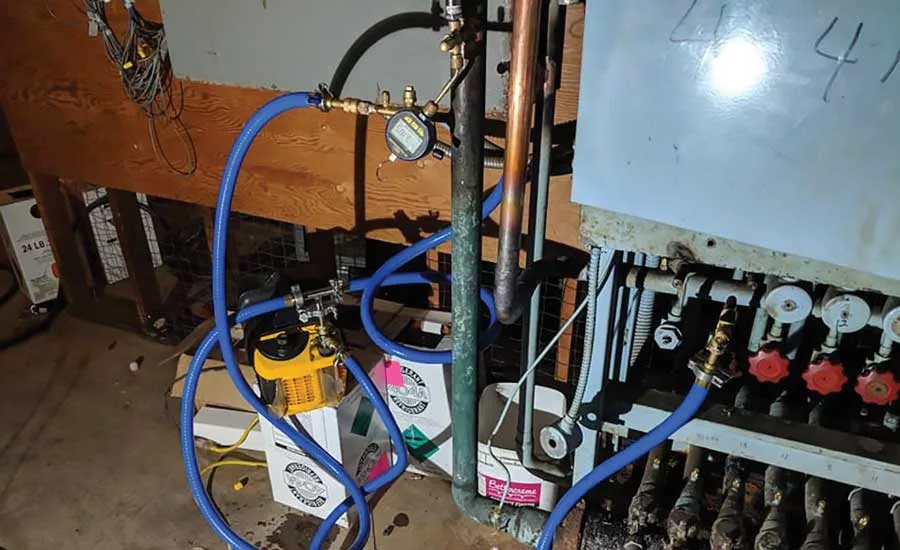
Vacuum pumps are the heart of the evacuation process. They pull air and moisture out of the refrigeration system, creating a deep vacuum. Not all vacuum pumps are created equal—choosing one with a low ultimate pressure rating ensures better moisture removal.
Gauges help you monitor the vacuum level precisely. Digital vacuum gauges or micron gauges are preferred because they provide accurate readings down to very low pressure levels. This accuracy lets you know when the system is clean and dry enough to proceed with charging.
In my experience, relying solely on traditional compound gauges can be misleading. I once evacuated a system using only these gauges, thinking it was ready, only to find moisture problems weeks later. Using a micron gauge changed that for me by giving precise feedback during evacuation.
Leak Detection Methods
Even the best evacuation won’t work if your system has leaks. Detecting leaks early prevents loss of refrigerant and contamination. There are several effective leak detection methods you can use depending on the situation.
- Electronic Leak Detectors:These devices sense refrigerant gases and alert you with visual or audible signals. They work well for pinpointing small leaks around joints and fittings.
- Soap Solution Test:Applying a soap and water mixture on suspected areas creates bubbles if there’s a leak. This simple method is cheap and effective for visible leaks.
- Ultraviolet (UV) Dye:Adding UV dye to the system allows you to use a UV light to spot leaks. This is especially useful in complex systems where leaks are hidden.
Have you ever tried to evacuate a system only to realize later that a tiny leak was ruining your work? Combining vacuum gauges with thorough leak detection methods can save you time and money in the long run.

Credit: www.achrnews.com
Frequently Asked Questions
What Does Evacuating A Refrigeration System Mean?
Evacuating removes air, moisture, and contaminants from the system. This process ensures proper refrigerant flow and prevents damage to components.
Why Is Moisture Removal Crucial In Refrigeration Systems?
Moisture causes corrosion, ice blockages, and reduces efficiency. Evacuation eliminates moisture, protecting the system and extending its lifespan.
How Does Evacuation Improve Refrigeration Performance?
Removing air and moisture prevents pressure issues and refrigerant contamination. This leads to better cooling efficiency and system reliability.
When Should A Refrigeration System Be Evacuated?
Evacuation is necessary before charging refrigerant and after repairs. It ensures the system is clean and ready for optimal operation.
Conclusion
Evacuating a refrigeration system keeps it clean and efficient. It removes air and moisture that cause damage. Without evacuation, the system may leak or fail early. Proper evacuation helps the system cool better and last longer. It saves money by avoiding costly repairs.
Always evacuate to ensure safe and smooth operation. This step protects your investment and improves performance. Simple but essential. Don’t skip it.