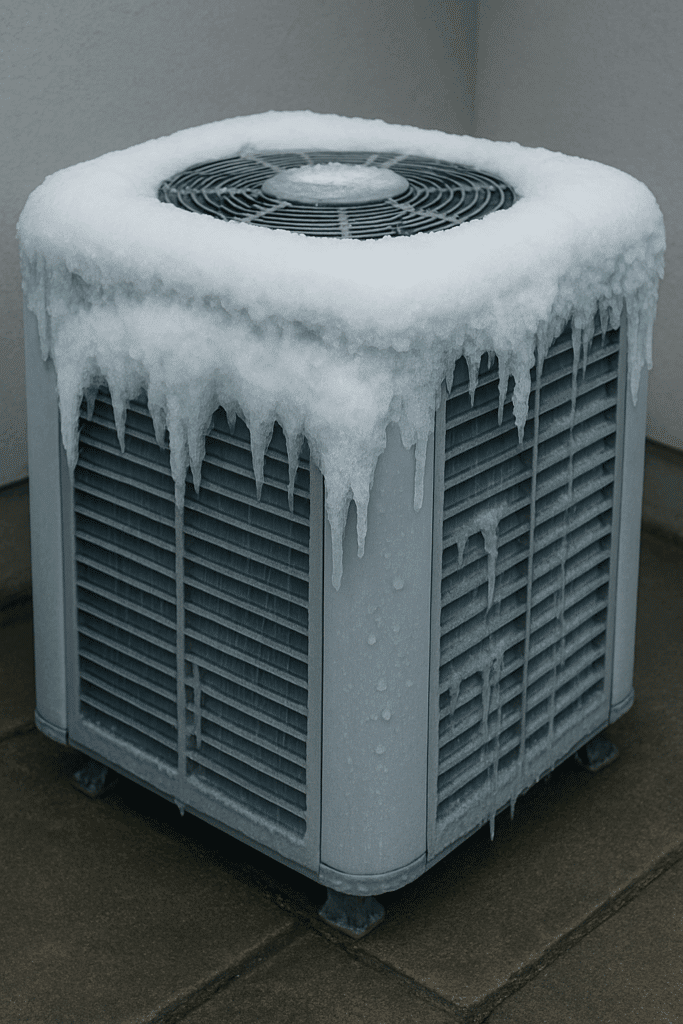
Have you ever noticed ice forming on your air conditioner and wondered, “Why is ice coming out of my air conditioner?” It’s a strange and worrying sight, especially when you rely on your AC to keep your home cool and comfortable. This unexpected problem can mean your unit isn’t working properly and might even lead to bigger issues if left unchecked.
But don’t worry—understanding the reasons behind this icy buildup can help you fix it quickly and prevent future damage. Keep reading to find out what’s causing the ice and what you can do to get your air conditioner back to normal.
Common Causes Of Ac Ice
Ice forming on your air conditioner is a common problem. It means something is stopping your AC from working right.
Knowing the causes helps you fix the issue and keep your home cool and comfortable.
Low Refrigerant Levels
Refrigerant is the liquid that cools the air inside your AC. Low levels make the coil too cold.
When the coil gets too cold, moisture freezes and ice forms on the unit.
Dirty Air Filters
Air filters catch dust and dirt. When they are dirty, air cannot flow well through your AC.
Poor airflow causes the coil to get very cold and ice builds up on it.
- Check filters every month during high use
- Replace filters if they look clogged or dirty
- Clean reusable filters according to the manual
Blocked Airflow
Blocked vents or closed registers reduce airflow to the AC. This causes the coil to freeze.
Also, dirty ducts or outdoor units covered with debris limit air movement.
- Keep vents and registers open
- Clear leaves and dirt from outdoor units
- Inspect ducts for blockages or damage
Thermostat Issues
If the thermostat is set too low, the AC runs too long. This can make the coil freeze.
A faulty thermostat may not read the temperature right. It can cause the AC to cool too much.
- Set thermostat to a reasonable temperature
- Replace batteries if needed
- Call a technician to check faulty thermostats
Faulty Blower Motor
The blower motor moves air through the AC and into your home. If it fails, airflow drops.
Less airflow makes the coil too cold and causes ice to form on the unit.
- Listen for strange noises from the blower
- Check if air is weak or uneven
- Have a professional repair or replace the motor

Credit: aquariushomeservices.com
How Ice Forms In Air Conditioners
Ice can form inside an air conditioner when certain conditions cause the temperature to drop too low. This can affect how well your air conditioner cools your home.
Understanding why ice forms helps you know how to fix the problem and keep your air conditioner running smoothly.
Impact Of Temperature Drop
When the temperature inside the air conditioner falls below freezing, moisture in the air starts to freeze on the coils. This ice build-up blocks airflow and reduces cooling efficiency.
Low temperature often happens if the air filter is dirty or the fan is not working properly. These issues make the coil colder than usual.
Effect Of Moisture And Humidity
High humidity means there is more moisture in the air. This moisture can freeze on the cold air conditioner parts, creating ice.
- Humidity increases the chance of ice forming.
- Wet air freezes faster on cold coils.
- Air conditioners in humid places freeze more often.
Role Of Refrigerant Flow
The refrigerant carries heat from inside your home to the outside. If the flow of refrigerant is low, the coil temperature drops too much and ice forms.
| Cause | Effect on Refrigerant Flow | Ice Formation Risk |
| Leak in refrigerant line | Low flow | High |
| Dirty coils | Blocked flow | Medium |
| Compressor failure | Flow stops | High |
Signs Your Ac Is Freezing Up
Ice coming out of your air conditioner means it is freezing up. This can stop your AC from working well. It is important to know the signs of a freezing AC.
Spotting these signs early can help you fix the problem fast. Check your AC for these common symptoms.
Visible Ice On Coils
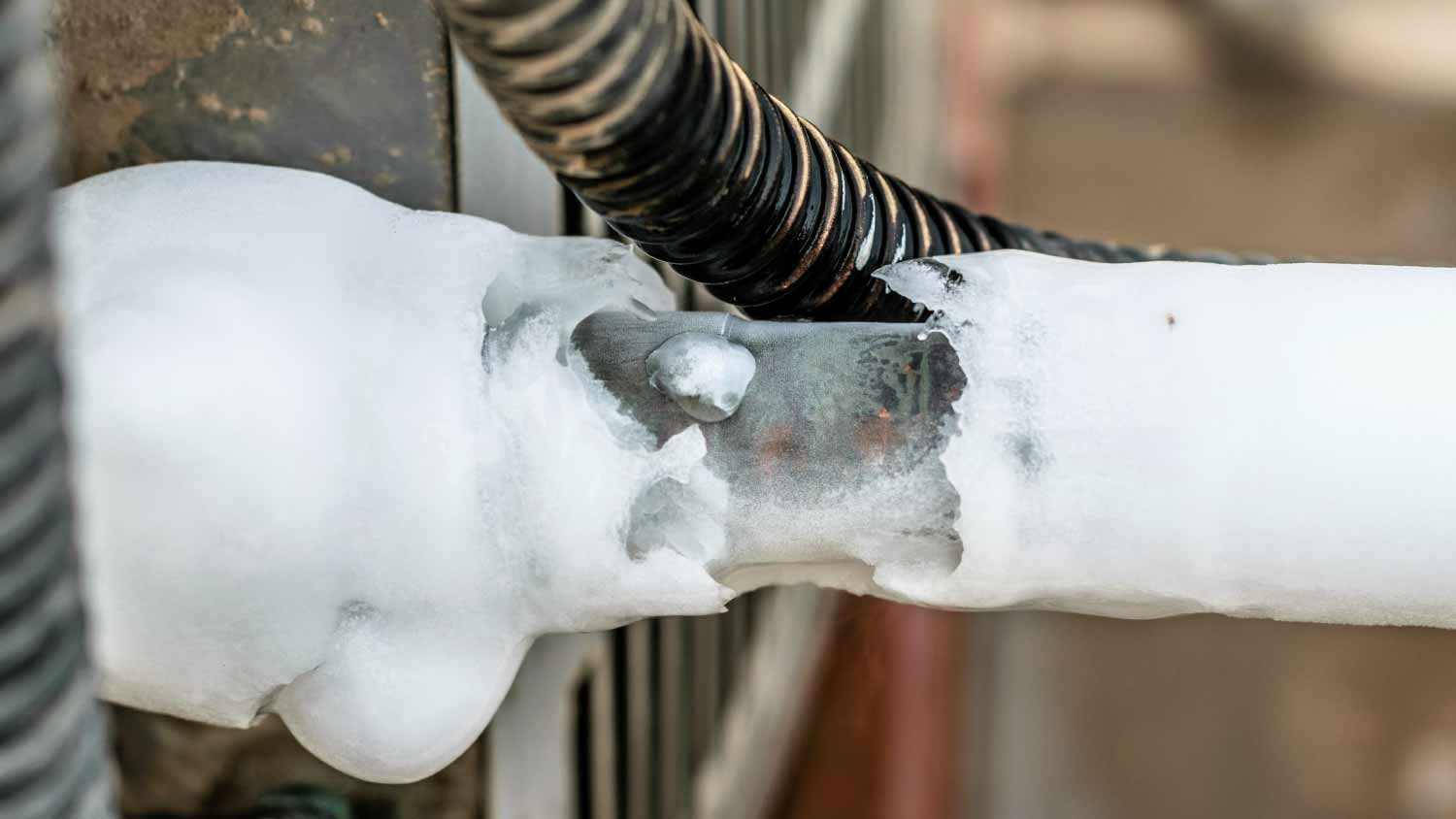
You may see ice or frost on the AC coils outside or inside the unit. This happens because the coils get too cold. Ice blocks air flow and stops the AC from cooling properly.
Ice can look like a thin layer of frost or thick chunks. If you notice any ice, turn off the AC to stop damage.
Reduced Cooling Performance
Your AC may not cool your home like before. The air might feel warmer or less strong. This happens because frozen coils cannot absorb heat well.
If your AC runs longer but the room stays warm, freezing could be the cause. Check your unit for ice or other signs.
Unusual Noises
You might hear strange sounds like gurgling, hissing, or buzzing. These noises can come from ice blocking parts inside the AC. The frozen parts can cause the system to work harder.
Listen carefully to your unit. Strange noises often mean a problem that needs fixing soon.
Water Leaks Around Unit
Ice melting from the AC can cause water to leak near the unit. This water can pool on the floor or drip outside. Leaks can damage floors or walls if not checked.
Look for wet spots or puddles around your AC. Water leaks often mean the ice inside has melted and the problem needs attention.
Credit: www.angi.com
Diy Fixes For Ice On Ac
Ice forming on your air conditioner can stop it from working well. You can try simple fixes yourself to solve this issue. These tips help your AC run smoothly again.
Follow these easy steps to remove ice and prevent it from coming back. Regular care keeps your AC cold and efficient.
Turn Off The Unit To Thaw
Switch off your air conditioner to let the ice melt naturally. This prevents damage to the system. Wait a few hours until all ice disappears before turning it back on.
Replace Or Clean Air Filters
Dirty or blocked air filters reduce airflow and cause ice. Clean or replace your filters every 1 to 3 months. Clean filters help your AC breathe and stop ice build-up.
- Remove the filter from your AC unit
- Wash with mild soap and water if reusable
- Let it dry completely before reinstalling
- Replace if it looks torn or very dirty
Clear Obstructions Around Vents
Blocked vents stop air from moving freely. This causes cold spots and ice. Check and clear any furniture, curtains, or debris near vents.
| Common Obstructions | Effect on AC |
|---|---|
| Furniture placed in front of vents | Blocks airflow causing ice |
| Dust and dirt buildup | Reduces air quality and flow |
| Closed or covered vents | Stops air circulation |
Check And Adjust Thermostat Settings
Set your thermostat to a reasonable temperature. Too low settings make the AC work hard and freeze up. Try these tips to keep settings right:
- Set temperature to around 75°F (24°C)
- Avoid sudden changes in temperature
- Use the fan mode to help air circulate
- Check thermostat for errors or damage
When To Call A Professional
Ice forming on your air conditioner is not normal. It can harm your unit and lower its cooling power.
Some ice issues need expert help. Knowing when to call a professional can save money and prevent damage.
Persistent Ice Formation
If ice keeps forming on your AC even after you turn it off, you need a pro. This shows a deeper problem.
A professional can check airflow, clean coils, and find hidden problems causing ice to build.
Refrigerant Recharge Needs
Low refrigerant levels cause ice to form on the coils. Only a trained technician can safely add refrigerant.
They will find leaks and fix them. Adding refrigerant without repair wastes money and causes more ice.
Electrical And Mechanical Repairs
Ice can form when electrical parts or fans fail. This stops proper cooling and airflow.
A professional can test the electrical system and fix or replace broken parts to stop ice buildup.

Credit: www.advantageairtech.com
Preventing Ice Build-up
Ice forming on your air conditioner can cause damage. It stops the AC from cooling properly and wastes energy.
Preventing ice build-up helps your AC work well and last longer. Simple care can keep your system ice-free.
Regular Maintenance Tips
Check your air conditioner often for dirt and damage. Clean or replace filters every one to three months. Dirty filters block airflow and cause ice.
Inspect the coils for dirt and clean them carefully. Also, check the refrigerant levels. Low refrigerant can cause ice to form.
- Clean or replace air filters regularly
- Keep coils clean and free of debris
- Check refrigerant levels and refill if low
- Schedule yearly professional inspections
Proper Airflow Management
Good airflow helps your AC work without freezing. Make sure vents and registers are open and not blocked by furniture or curtains.
Keep the area around your outdoor unit clear of leaves, plants, and debris. This keeps air flowing freely and stops ice from forming.
- Open all air vents in the house
- Remove obstacles near vents and registers
- Clear debris around outdoor unit
- Use fans to improve indoor air circulation
Seasonal Ac Care
Prepare your AC for changing seasons. Before summer, clean the unit and check for leaks or damage. Ice builds up more if the system is weak.
Turn off the AC in winter or use a cover to protect the outdoor unit. This helps prevent ice from forming on the unit when it is not in use.
- Clean and inspect AC before summer
- Check for leaks and damage each season
- Turn off or cover outdoor unit in winter
- Schedule professional tune-ups yearly
Frequently Asked Questions
Why Is My Air Conditioner Producing Ice?
Ice forms on an AC unit due to low refrigerant, poor airflow, or a dirty filter. These issues cause the evaporator coil to freeze, blocking normal cooling function and resulting in ice buildup.
Can A Dirty Filter Cause Ice On Ac?
Yes, a dirty filter restricts airflow, causing the evaporator coil to get too cold. This leads to condensation freezing into ice on the coil and sometimes outside the unit.
How Does Low Refrigerant Cause Ac Ice?
Low refrigerant reduces pressure in the AC system, causing the evaporator coil to drop below freezing. Moisture then freezes on the coil, creating ice and hindering proper cooling performance.
Is Blocked Airflow Responsible For Ac Ice Formation?
Blocked airflow prevents warm air from reaching the evaporator coil. Without enough heat, the coil temperature drops, moisture freezes, and ice builds up, reducing AC efficiency and causing potential damage.
Conclusion
Ice on your air conditioner signals a problem. Check for dirty filters or blocked vents. Ensure your thermostat is set correctly. Regular maintenance can prevent such issues. Sometimes, refrigerant levels might be low. This requires professional help. Ignoring ice buildup can damage your unit.
This leads to costly repairs. Understanding the cause helps in taking quick action. Keep your air conditioner in top shape. This ensures comfort and efficiency. Remember, a little care goes a long way. Stay cool and save money by addressing issues early.
Act now to avoid future hassles.