
Have you ever noticed water dripping or even pooling around your air conditioner? It can be confusing and a bit alarming.
You might wonder, “Why is my air conditioner blowing out water? ” Understanding this issue is important because it could affect your comfort and even damage your home. You’ll discover the common reasons behind this problem and what you can do to fix it quickly.
Keep reading to protect your AC and stay cool without worries.
Common Causes Of Water Leaks
Water leaking from your air conditioner can cause damage to your home. It also means your AC is not working well. Understanding why it happens helps you fix the problem fast.
This guide covers common causes of water leaks in air conditioners. Each cause has simple signs you can check yourself.
Clogged Drain Line
The drain line removes water from your AC. Dirt and debris can clog it. This stops water from flowing out. Water then leaks inside your home.
- Check if water pools around your AC unit.
- Look for mold or mildew near the drain line.
- Use a wet/dry vacuum to clear the clog.
Frozen Evaporator Coil
When the evaporator coil freezes, it creates extra water. The ice melts and leaks out. This happens if airflow is blocked or refrigerant is low.
Damaged Drain Pan
The drain pan collects water from the evaporator coil. If the pan cracks or rusts, water leaks out. Old AC units often have this problem.
| Sign | What to Do |
| Rust on pan | Replace the drain pan |
| Cracks or holes | Seal or replace the pan |
| Water under unit | Check drain pan condition |
Improper Installation
Water leaks can happen if your AC is not installed right. The unit must be level. Drain pipes should slope downwards. Wrong setup blocks water flow.
- Unit tilted backward or forward
- Drain pipes with no slope
- Drain line too long or kinked
Low Refrigerant Levels
Low refrigerant causes the evaporator coil to freeze. When it melts, water leaks out. This also makes your AC less cool and uses more energy.
Signs Of Water Leakage
Water leaking from your air conditioner can cause damage. It is important to spot signs early.
Look for these common signs that show your AC might be blowing out water.
Water Pooling Near Unit
If you see water gathering around your AC unit, it may have a leak. This can cause mold or damage to nearby surfaces.
Pools of water near the base or on the floor inside your home are clear warning signs to check the drainage system.
Unusual Humidity Indoors
High humidity inside your home could mean your AC is leaking water. The moisture can make the air feel damp and uncomfortable.
- Check if your walls or windows feel wet or sticky
- Look for condensation on pipes or vents
- Notice if your clothes or furniture feel damp
Musty Odors
A leaking AC can cause mold growth. This often creates a musty smell inside your home.
- Wet insulation around the unit
- Water trapped in the drip pan
- Mold growing inside ducts
Reduced Cooling Efficiency
Your air conditioner may not cool well if it leaks water. The unit loses power and works harder.
| Symptom | Possible Cause |
| Warm air blowing out | Low refrigerant or water leak |
| Longer running times | Blocked drainage or frozen coils |
| Higher energy bills | AC strain from leaks |
Fixing Drain Line Issues
Your air conditioner can blow out water if the drain line is clogged or blocked. Fixing this problem stops water leaks and keeps your AC working well.
Drain line issues happen when dirt, mold, or algae block the pipe. Cleaning and maintaining the drain line helps prevent water problems.
Clearing Blockages
Blockages in the drain line stop water from flowing out. This causes water to back up and leak from the air conditioner.
Use a wet-dry vacuum or a plumber’s snake to clear the clog. Make sure to remove all dirt and debris from the pipe.
- Turn off the AC unit before cleaning
- Find the drain line’s end outside your home
- Use a vacuum to suck out the clog
- Push a plumber’s snake carefully to break blockages
Using Vinegar Or Bleach
Vinegar or bleach can kill algae and mold inside the drain line. These substances keep the drain line clean and clear.
Pour a cup of vinegar or a small amount of bleach into the drain line. Let it sit for 30 minutes, then flush with water.
- Use white vinegar for a natural option
- Use bleach carefully and sparingly
- Do not mix vinegar and bleach together
- Repeat every few months to prevent build-up
Regular Maintenance Tips
Regular checks help catch drain line problems early. Clean the drain line and check for leaks often.
Keep your air conditioner’s drain pan clean and clear. Change filters regularly to reduce dirt inside the system.
- Inspect the drain line monthly
- Clean the drain line every 3 to 6 months
- Replace air filters every 1 to 3 months
- Keep the area around the AC unit clean and dry
Repairing Or Replacing Drain Pan
Your air conditioner may blow out water if the drain pan is damaged. The drain pan catches water from condensation. Fixing or replacing it stops leaks and water damage.
Knowing how to spot problems with the drain pan helps you decide to repair or replace it. Quick fixes can help until you get a permanent solution.
Identifying Damage
Look for cracks, rust, or holes in the drain pan. Water pooling under the unit is a sign of damage. Check if the pan is tilted or clogged with dirt.
- Cracks or holes letting water escape
- Rust spots weakening the pan
- Drain pan not level or bent
- Clogged drain holes or pipes
- Water stains near or under the unit
Temporary Fixes
Seal small cracks with waterproof tape or silicone. Clean debris from the pan and drain pipe. Use a temporary tray to catch leaking water.
- Use waterproof tape on minor cracks
- Apply silicone sealant for small holes
- Clear dirt and blockages from drains
- Place a bucket or tray under the unit
When To Replace
Replace the drain pan if damage is large or rust covers much of it. If leaks happen often, a new pan is safer. Replacement stops water damage and mold growth.
- Cracks or holes bigger than a few inches
- Heavy rust or corrosion on the pan
- Repeated leaks despite repairs
- Drain pan bent or misshapen
- Visible water damage around the unit
Dealing With Frozen Coils
When your air conditioner blows out water, frozen coils might be the cause. Frozen coils block airflow and cause ice buildup. This can lead to water leaking as the ice melts.
Understanding why coils freeze helps you fix the issue. You can also learn how to thaw the coils safely and prevent freezing in the future.
Causes Of Freezing
Frozen coils happen due to poor airflow or low refrigerant levels. Dirt and debris on the coils also cause ice to form. Using the AC too long on very cold days may freeze the coils.
- Dirty air filters block airflow
- Low refrigerant makes coils too cold
- Fan problems reduce air movement
- Thermostat set too low
- Leaky or clogged drain pipes
Thawing Techniques
Turn off the air conditioner to stop more ice from forming. Let the coils thaw naturally by running the fan only. Avoid using sharp tools to remove ice.
You can also place a bowl of warm water near the coils to speed up melting. Make sure to clean or replace air filters after thawing.
- Turn off AC and run fan only
- Wait for ice to melt naturally
- Use warm water near coils
- Do not chip or scrape ice
- Clean or replace air filters
Preventive Measures
Keep your air filters clean and change them regularly. Schedule yearly maintenance to check refrigerant levels and fan function. Avoid setting the thermostat too low during cool weather.
Clear debris around the outdoor unit. Make sure drain lines are clean and free of clogs. These steps help keep coils from freezing and stop water leaks.
- Clean or replace air filters monthly
- Check refrigerant levels yearly
- Keep thermostat at moderate temperature
- Clear outdoor unit of debris
- Clean drain lines often

Credit: www.youtube.com
Checking Refrigerant Levels
Your air conditioner may blow out water if refrigerant levels are low. Refrigerant cools the air and helps prevent freezing inside the unit.
Checking refrigerant levels is important to keep your AC working well and avoid water leaks.
Signs Of Low Refrigerant
Low refrigerant affects cooling and can cause water to drip or blow out. Watch for these signs:
- Warm air blowing from vents
- Ice forming on the coils
- Longer cooling cycles
- Hissing or bubbling sounds near the AC unit
- Increased energy bills
Professional Recharge
Adding refrigerant should be done by a professional. They use special tools to measure and refill the correct amount.
| Reason | Details |
| Proper Tools | Gauge sets and leak detectors |
| Correct Amount | Too much or too little harms the system |
| Safe Handling | Refrigerants can be harmful if handled improperly |
| System Check | Technicians inspect for leaks and damage |
Avoiding Leaks
Leaks cause refrigerant loss and water problems. Prevent leaks with these tips:
- Regularly inspect pipes and connections
- Keep the area around the AC clean and dry
- Schedule annual maintenance checks
- Replace worn or damaged parts quickly
- Seal any visible cracks or holes
Ensuring Proper Installation
Water blowing out of your air conditioner can signal installation issues. Proper setup helps prevent leaks and water damage.
Checking the unit’s position and plumbing is important. Skilled technicians ensure the system works well.
Leveling The Unit
Make sure the air conditioner sits level. A tilted unit causes water to pool and leak outside.
- Use a spirit level tool during installation
- Adjust the unit until it sits flat
- Check the level periodically after installation
Correct Drain Line Setup
Drain lines remove condensation safely. Wrong setup blocks water flow and causes leaks.
| Drain Line Issue | Effect | Solution |
| Blocked line | Water backs up inside unit | Clear debris regularly |
| Improper slope | Water does not drain fully | Ensure downward angle |
| Wrong pipe size | Slow drainage, overflow risk | Use recommended pipe diameter |
Hiring Certified Technicians
Certified technicians follow correct installation rules. They spot problems early and fix them right.
- They have training on equipment standards
- They use proper tools and parts
- They provide warranties on their work

Credit: www.reddit.com
Preventive Maintenance Tips
Water coming from your air conditioner can signal a problem. Preventive maintenance helps stop leaks and keeps your unit running well.
Simple checks and regular care reduce water issues and improve air quality in your home.
Regular Inspections
Look over your air conditioner often to spot early signs of trouble. Check the drain pan and pipes for cracks or blockages. Also, ensure the unit is level to avoid water pooling.
Cleaning Components
Keeping parts clean stops water buildup. Dirt clogs drain lines and filters, causing leaks. Clean these parts every month or as needed.
- Remove and clean the air filter
- Clear the drain line with a vacuum or water flush
- Wipe down the evaporator and condenser coils
- Check the drip pan for dirt and mold
Scheduling Professional Service
Hire a certified technician yearly for a full system check. They can clean hard-to-reach parts and fix small leaks before they grow.
| Service Task | Purpose |
| Check refrigerant levels | Prevent ice and water leaks |
| Clean coils deeply | Improve airflow and efficiency |
| Inspect drain lines | Remove blockages |
| Test thermostat | Ensure proper temperature control |
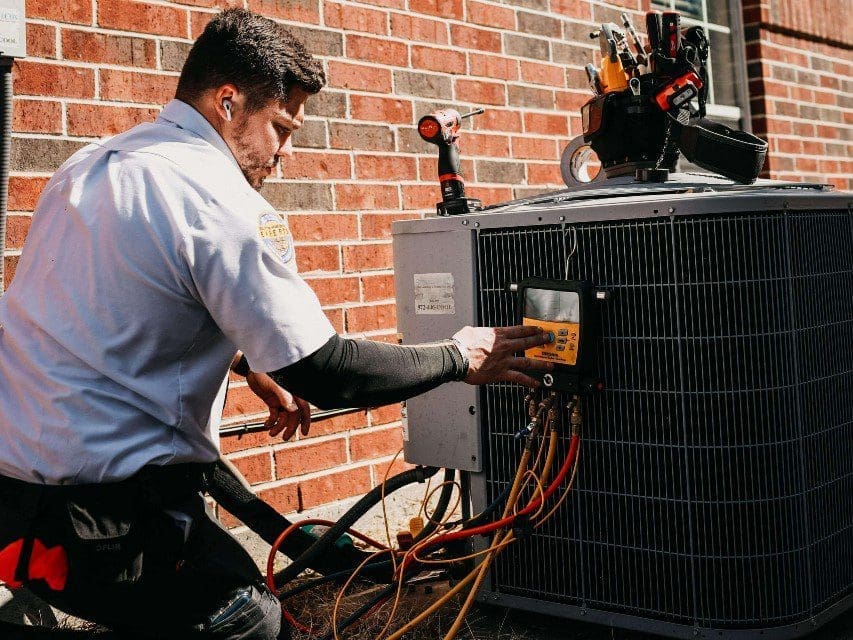
Credit: callmilestone.com
Frequently Asked Questions
Why Is My Ac Leaking Water?
Your air conditioner may leak water due to clogged drain lines or a blocked air filter. These issues cause condensation to accumulate and overflow. Regular maintenance and cleaning can help prevent such problems, ensuring efficient operation and reducing water leaks.
How Do I Fix Ac Water Leaks?
To fix AC water leaks, first turn off the unit. Check and clean the drain line and air filter. Ensure the unit is level and clear any debris. If the problem persists, contact a professional technician for a thorough inspection and repair.
Can A Clogged Filter Cause Water Leaks?
Yes, a clogged filter can restrict airflow, leading to condensation buildup and water leaks. Regularly cleaning or replacing the air filter ensures proper airflow and reduces the risk of leaks. This simple maintenance step helps maintain efficient air conditioning performance.
Is Water Leaking From Ac Dangerous?
Water leaking from an AC is not immediately dangerous, but it can cause damage over time. Prolonged exposure can lead to mold growth, water damage, and reduced efficiency. Address leaks promptly to prevent long-term issues and maintain a safe, efficient cooling environment.
Conclusion
Water coming from your air conditioner signals a problem. Check the drain line for clogs or damage. A dirty filter can also cause water buildup. Make sure your unit is level to prevent leaks. Regular cleaning helps keep your AC running well.
Fixing these issues stops water from leaking inside. Stay alert to small signs before they become big problems. Proper care saves money and keeps your home dry. Take action soon to enjoy cool, dry air again.