Is your air conditioner making an annoying buzzing sound? You’re not alone.
That constant buzz can be distracting and might even signal a problem with your unit. You might wonder if it’s something simple you can fix or if it means a costly repair is coming your way. You’ll discover the common reasons why your air conditioner is buzzing and what you can do to stop it.
Keep reading—you’ll learn how to protect your comfort and avoid unexpected breakdowns.
Common Buzzing Causes
A buzzing sound from an air conditioner often signals loose parts or electrical issues. Dirty fan blades or a failing capacitor can also cause this noise. Regular maintenance helps prevent these common buzzing problems.
Electrical Issues
Buzzing sounds often come from electrical problemsinside the AC. Wires may be loose or damaged. This can cause sparksor short circuits, leading to noise. It is important to check the power supply and connections.
Loose Parts
Parts inside the air conditioner can get looseover time. Screws, panels, or mounts may vibrate and create a buzzing sound. Tightening these parts often stops the noise.
Debris In Unit
Leaves, dirt, or small objects can get inside the unit. These can hit the fan or other moving parts, causing a buzzing or rattlingnoise. Cleaning the unit regularly helps prevent this.
Compressor Problems
The compressor is the heart of the AC. If it is failingor has internal damage, it may buzz loudly. This sound can mean the compressor needs repair or replacement.
Fan Motor Noise
The fan motor moves air through the system. Worn bearings or motor issues can cause buzzing or hummingsounds. Lubricating or replacing the motor may fix this problem.

Credit: www.youtube.com
Identifying The Source
Indoor unitsoften buzz due to loose parts or fan issues. The outdoor unitmight buzz from the compressor or debris caught inside. Identifying which unit buzzes helps find the problem fast.
Buzzing sounds can happen when the AC starts, runs, or shuts off. A buzzing at start might mean electrical issues. Buzzing during running can signal motor trouble. Buzzing when off may come from the thermostat or wiring.
Check the thermostat for loose wires or low batteries. Sometimes, a faulty thermostat sends wrong signals, causing buzzing. Ensure the thermostat settings match the room temperature.
Quick Fixes To Try
Tighten any loose screwson the air conditioner. Loose parts can cause buzzing sounds. Use a screwdriver to check all screws around the unit. Tight screws help stop vibration noise.
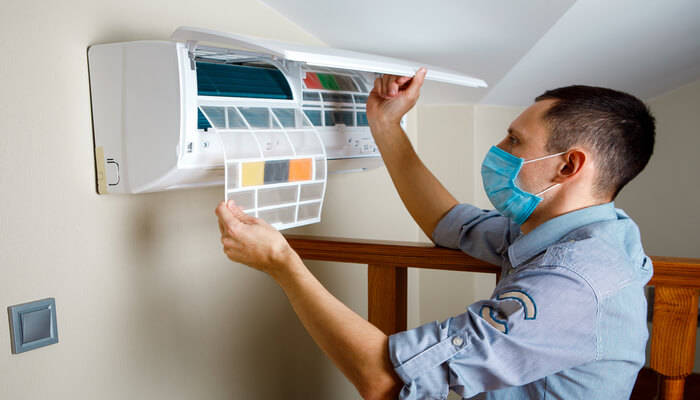
Clean the unitregularly. Dust and dirt can make the fan or motor noisy. Remove the cover and gently clean the inside with a soft brush or cloth. Clean parts work better and quieter.
Reset the systemby turning off the power. Wait a few minutes, then turn it back on. This can fix small electrical problems causing buzzing sounds.
Replace faulty capacitors. Capacitors help start the motor. A bad capacitor can make buzzing noise. If the sound stays after other fixes, ask a professional to check and replace it.
When To Call A Professional
Persistent buzzingfrom an air conditioner can signal a serious issue. If the sound lasts for more than a few minutes or happens often, it needs attention. This noise may mean loose parts or worn-out components inside the unit. Avoid running the AC to prevent damage.
Electrical safety concernsarise when buzzing is tied to sparks, burning smells, or tripped breakers. Such signs show a risk of fire or electric shock. Turn off the unit immediately and do not try to fix electrical parts yourself.
Compressor replacement needsare another cause of buzzing. The compressor is a key part that cools the air. If it buzzes loudly or unevenly, it might be failing. A professional should check it to decide if repair or replacement is best.
Preventing Future Noise
Regular maintenancekeeps your air conditioner quiet and efficient. Clean or replace filters every month. Dirt buildup can cause buzzing sounds. Check and tighten loose screws or bolts to stop rattling noises. Clear debris around the outdoor unit to avoid vibration issues. Schedule a professional checkup yearly to spot small problems early.
Proper installation ensures the unit works smoothly. The air conditioner should be on a flat, stable surface. Use vibration pads to reduce noise. Avoid placing the unit near windows or walls that can amplify sound. Correct wiring and secure connections help prevent electrical buzzing.
Older units tend to get noisy over time. Upgrading to a newer model can reduce sound and improve cooling. New units are built with better noise control features. They use energy more efficiently too. This change often saves money on electricity bills and repairs.

Credit: www.reddit.com

Credit: valleyairrepair.com
Frequently Asked Questions
What Causes My Air Conditioner To Buzz?
Your air conditioner may buzz due to loose parts, debris, or electrical issues. It’s crucial to inspect the system for any visible problems. Regular maintenance can prevent these noises. If buzzing persists, contact a professional to diagnose and fix the issue promptly.
Is A Buzzing Air Conditioner Dangerous?
Yes, a buzzing air conditioner can be dangerous if ignored. It might indicate an electrical problem, which can lead to fires or further damage. It’s essential to address the issue immediately. Regular maintenance can help prevent such problems, ensuring your unit operates safely.
How Can I Stop My Air Conditioner From Buzzing?
To stop the buzzing, check for loose parts and debris around your air conditioner. Tighten any loose screws and clean the unit. Ensure electrical connections are secure. If the buzzing continues, it’s best to contact a professional technician for a thorough inspection and repair.
Can A Dirty Filter Cause Buzzing Noises?
Yes, a dirty filter can cause buzzing noises in your air conditioner. A clogged filter restricts airflow, leading to strain on the system. This can result in unusual noises. Regularly cleaning or replacing filters helps maintain efficient operation and reduces the risk of buzzing sounds.
Conclusion
A buzzing air conditioner often signals a problem. It might be loose parts, electrical issues, or dirt buildup. Ignoring the sound can lead to bigger repairs. Regular checks keep your AC running smooth and quiet. Don’t wait until the noise gets worse.
Act early to save money and stress. Your comfort depends on a well-working air conditioner. Simple fixes can stop the buzzing fast. Stay cool and enjoy a quiet home all summer.