Is your air conditioner suddenly draining more water than usual? You might be wondering if something is wrong or if this is just a normal part of how it works.
The truth is, excessive water drainage can signal issues that affect your comfort and your AC’s efficiency. Understanding why this happens can save you from costly repairs and keep your home cool and dry. You’ll discover the common reasons behind your air conditioner’s water problem and what you can do about it—so you can stop worrying and start enjoying a perfectly running AC again.

Credit: www.reddit.com
Common Reasons For Excess Water
Air conditioners can produce water as part of their normal operation. But sometimes, they drain too much water. This can cause problems in your home.
Understanding why your air conditioner is draining so much water can help you fix the issue. Below are some common reasons for excess water.
Clogged Drain Line
The drain line carries water out of your air conditioner. Dirt and debris can block this line. When blocked, water cannot drain properly.
This blockage causes water to build up inside the unit. It may overflow and drain more water than usual.
- Dirt and dust buildup
- Mold or algae growth
- Small objects blocking the pipe
Frozen Evaporator Coil
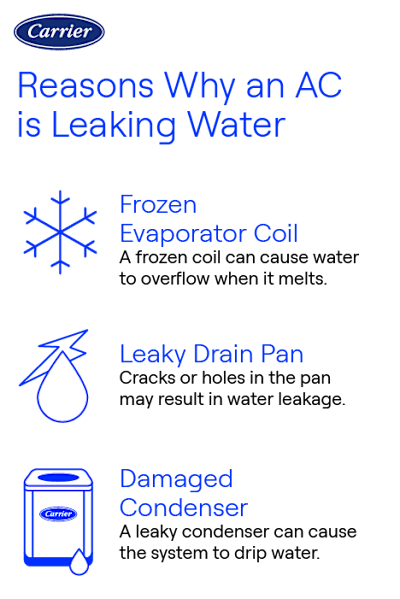
The evaporator coil cools the air inside the unit. If it freezes, ice forms on the coil. When the ice melts, it creates extra water.
Frozen coils happen due to poor airflow or low refrigerant. This causes your air conditioner to drain more water than normal.
- Dirty air filters reduce airflow
- Blocked vents or registers
- Low refrigerant levels causing freezing
Improper Installation
Incorrect installation can cause water problems. If the unit is not level, water may not drain correctly. This leads to excess water buildup.
Improper placement of the drain line can also cause leaks or water overflow. A professional installer should set up the unit properly.
- Unit not leveled correctly
- Drain line placed too high or bent
- Poor sealing around connections
Low Refrigerant Levels
Refrigerant helps cool the air. Low refrigerant causes the evaporator coil to get too cold and freeze. When ice melts, it creates excess water.
Low refrigerant also makes your air conditioner work harder. This can increase water drainage and cause other issues.
- Leaks in refrigerant lines
- Improper charging during installation
- Natural loss over time
Credit: fischerheating.com
Effects Of Excess Water Drainage
When your air conditioner drains too much water, it can lead to several issues. Understanding these effects helps you maintain your system better.
Let’s explore the common problems caused by excess water drainage in your air conditioning unit.
Water Damage Risks
Excess water can cause significant damage to your home. Water leaks may lead to mold growth and structural issues.
- Mold can grow in damp areas, affecting health.
- Ceiling and wall damage may occur from water leaks.
- Flooring can warp or rot due to prolonged moisture.
Reduced Cooling Efficiency
Too much water drainage can lower your air conditioner’s efficiency. The unit may struggle to cool your home effectively.
| Problem | Effect |
| Clogged drain line | Reduces cooling |
| Faulty pump | Leads to inefficiency |
| Poor maintenance | Decreases performance |
Increased Energy Bills
When the cooling efficiency drops, your energy bills can rise. The system works harder, using more electricity.
Simple Fixes To Try At Home
If your air conditioner is draining a lot of water, it can be worrying. This usually means there is a problem that you can fix yourself.
Try these simple steps to stop your air conditioner from draining so much water.
Clearing The Drain Line
The drain line can get clogged with dirt or algae. This causes water to back up and drain too much.
Use a wet/dry vacuum to suck out the clog at the drain line’s end. You can also flush the line with a mixture of bleach and water.
- Turn off the AC power
- Locate the drain line outside your home
- Use a vacuum or flush with bleach solution
- Check if water flows freely afterward
Checking For Ice Build-up
Ice can form on the coils when the unit is too cold or low on refrigerant. Melting ice causes extra water to drain.
Turn off the AC and let the ice melt completely. Check for any dirt on the coils and clean them gently.
- Turn off the air conditioner
- Wait for ice to melt fully
- Clean the coils using a soft brush
- Restart the unit and watch for ice return
Ensuring Proper Unit Leveling
Your air conditioner should be level for water to drain correctly. If it tilts, water may pool and drain more than usual.
Use a level tool to check the unit. Adjust the base or place shims under the unit to keep it even.
- Place a level on top of the AC unit
- Check if the unit tilts in any direction
- Add shims or adjust the base as needed
- Recheck to confirm the unit is level

Credit: www.reddit.com
When To Call A Professional
If your air conditioner is draining too much water, it can cause damage. Some issues need a professional’s help to fix. Knowing when to call can save time and money.
Not all water drainage problems are easy to solve. A trained technician can find hidden problems and make sure your AC works safely and well.
Persistent Water Leaks
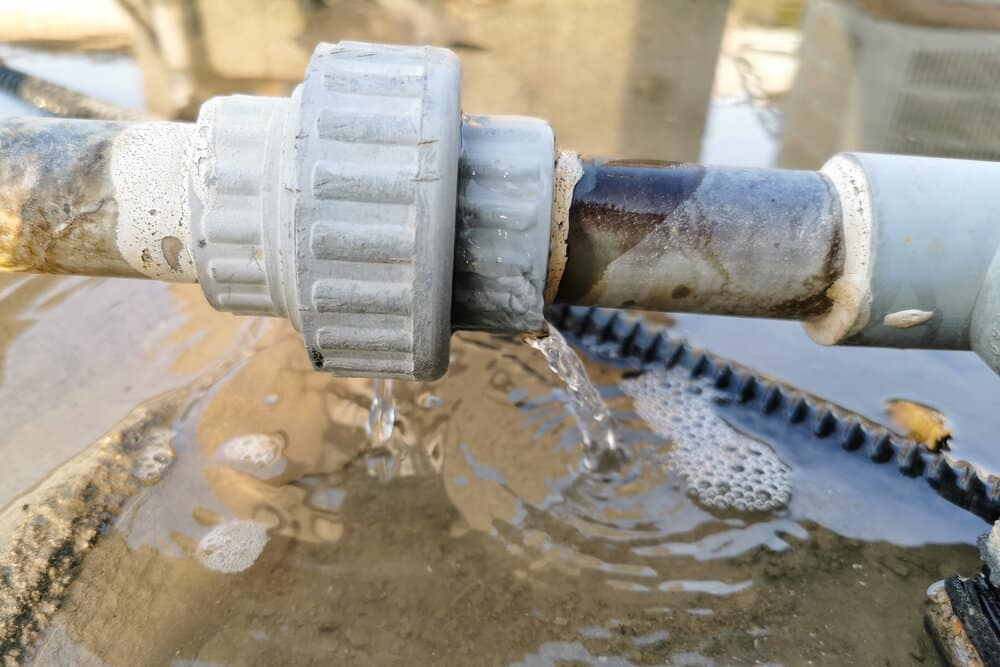
If water keeps leaking from your AC unit, it may mean a serious problem. A clogged or broken drain line can cause constant leaks. This can damage walls, floors, and furniture.
Call a professional if you see water pooling near your AC or dripping inside your home. They can clear blockages or fix broken parts to stop leaks.
Refrigerant Issues
Low refrigerant levels can cause your AC to freeze up and then drip a lot of water. Leaks in the refrigerant system need expert repair. Handling refrigerants requires special tools and knowledge.
If your AC is draining too much water and feels less cold, call a professional. They can check refrigerant levels and fix leaks safely.
Electrical Component Problems
Faulty electrical parts can stop your AC’s drain pump from working. This causes water to build up and overflow. Electrical issues can be dangerous if not handled properly.
Call a technician if your AC drains water but the pump does not run or if you hear unusual sounds. They can find and fix electrical faults safely.
Preventive Measures For Water Drainage
Air conditioners drain water as they cool the air. Sometimes, they drain too much water. This can cause damage or leaks inside your home.
Taking preventive steps helps control water drainage. It keeps your AC running well and stops water problems.
Regular Maintenance Tips
Clean your AC filters every month. Dirty filters block airflow and cause excess water. Check and clear the drain line to avoid clogs. A clogged drain line makes water overflow.
- Clean or replace air filters monthly
- Clear the drain line from debris
- Check the drain pan for cracks or holes
- Keep outdoor unit free from dirt and leaves
Seasonal Inspection Checklist
Inspect your AC before hot seasons start. Look for leaks, mold, or ice buildup. Check if the drain pan is tilted correctly. A wrong tilt can cause water to pool and leak.
- Inspect drain pan for damage or tilt
- Look for ice on evaporator coils
- Check drain line for blockages
- Test system for unusual noises or leaks
Upgrading Old Units
Old AC units may drain too much water due to wear. Upgrading to a newer model can fix this. New units have better drainage systems and use less water.
New models also work more efficiently. They reduce the chance of water damage. Consider upgrading if your unit is over 10 years old.
Frequently Asked Questions
Why Is My Air Conditioner Producing Excess Water?
Excess water from your AC usually means high humidity or a clogged drain line. It’s normal for ACs to produce water, but excess indicates drainage issues or dirty filters. Regular maintenance and cleaning prevent water buildup and ensure proper drainage.
Can A Dirty Filter Cause Water Drainage Problems?
Yes, dirty filters block airflow, causing the coil to freeze. When the ice melts, it produces excess water. This water can overwhelm the drain pan. Changing filters regularly keeps airflow smooth and prevents water drainage issues in your AC.
How Does High Humidity Affect Ac Water Drainage?
High humidity means more moisture in the air. Your AC removes this moisture, causing extra water drainage. If water seems excessive, it could be due to very humid weather or a malfunction. Proper drainage systems help handle moisture efficiently.
What Happens If The Ac Drain Line Is Clogged?
A clogged drain line prevents water from exiting the AC. This causes water to back up and leak inside your home. Regular cleaning of the drain line is essential to prevent water damage and maintain efficient AC operation.
Conclusion
Excess water from your air conditioner often means a problem. Common causes include clogged drains, dirty filters, or low refrigerant. Fixing these issues helps your AC work better and last longer. Regular cleaning and maintenance prevent water leaks and damage.
Watch for unusual water amounts and act quickly. Staying on top of AC care saves money and stress. Don’t ignore water drainage—it signals your AC needs attention. Simple checks keep your home cool and dry all summer.