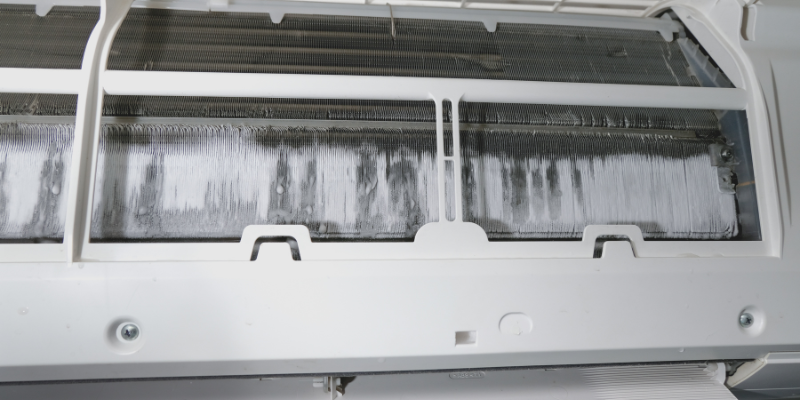
Have you noticed frost or ice forming on your air conditioner? It’s not just a strange sight—it’s a sign that something is wrong.
When your air conditioner starts icing up, it can stop working properly and leave your home feeling uncomfortable. You might wonder what’s causing this problem and how to fix it before it gets worse. Keep reading to discover the common reasons behind your air conditioner icing up and what you can do to keep it running smoothly.
Don’t let this issue turn your cool summer days into a hassle!
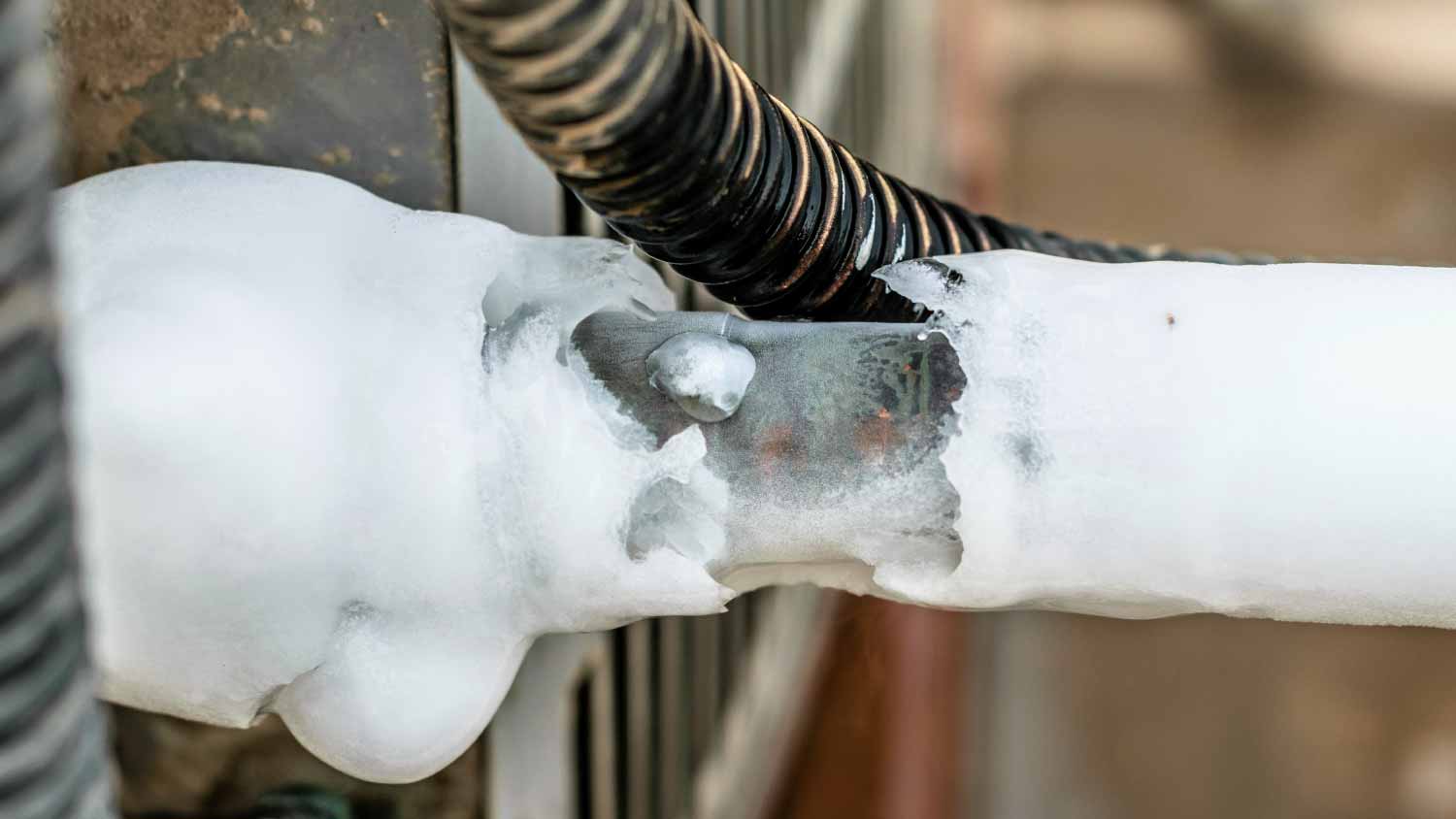
Credit: www.angi.com
Common Causes Of Ac Icing
An air conditioner that is icing up can stop working well. Ice forms on the coils or pipes inside the unit. This problem can make your home less cool and cause damage.
Understanding why your AC is icing up helps you fix it fast. Below are common reasons for this issue.
Low Refrigerant Levels
Refrigerant is the liquid that cools the air in your AC. If there is not enough refrigerant, the coils get too cold. This causes ice to form on the coils.
Leaks or poor installation can lower refrigerant levels. You need a professional to check and refill it safely.
Dirty Air Filters
Air filters keep dust and dirt from entering your AC. When filters are dirty, airflow slows down. This makes the coils colder and ice can build up.
- Check filters every month during hot seasons
- Replace or clean filters if they look dirty
- Use the right filter type for your AC model
Blocked Airflow
Blocked airflow means air cannot move freely through the AC. Obstructions like furniture or closed vents cause this. Without enough air, ice starts to form.
| Cause of Blocked Airflow | Effect on AC |
|---|---|
| Closed or blocked vents | Less air movement, cold coils |
| Dirty evaporator coils | Reduced heat exchange, icing |
| Fan problems | Weak airflow, ice buildup |
Thermostat Issues
A faulty thermostat can cause the AC to run too long or not enough. If it runs too long, the coils get very cold. This causes ice to form on the unit.
Check if the thermostat shows the correct temperature. Replace batteries or the thermostat if it does not work right.
Effects Of An Icing Air Conditioner
An air conditioner that is icing up does not work well. Ice blocks the airflow and cools less air.
This issue causes problems with your home’s comfort and the AC unit’s health.
Reduced Cooling Efficiency
Ice on the air conditioner stops it from cooling your home properly. The cold air cannot flow freely.
The unit struggles to lower the room temperature, making your home less comfortable.
Increased Energy Consumption
An icing air conditioner uses more electricity. It works harder to cool the space.
This extra effort raises your energy bills and wastes power.
- Longer running times
- Higher electricity use
- More strain on the system
Potential Damage To Components
Ice buildup can harm parts inside the air conditioner. Frozen coils and fans may break.
Damage leads to costly repairs and shortens the unit’s life.
- Frozen evaporator coils
- Damaged fan motors
- Leaks in refrigerant lines
Quick Fixes To Stop Ac Icing
Air conditioners can ice up when they don’t work properly. This ice blocks cool air from coming out.
Fixing this quickly helps your AC run well and keeps your home cool.
Changing Or Cleaning Air Filters
Dirty air filters reduce airflow. Low airflow causes the AC to freeze over time.
Check your air filter every month and clean or replace it if needed. Clean filters help air flow freely.
- Remove the filter from the unit
- Wash washable filters with water and let dry
- Replace disposable filters with new ones
- Put the filter back correctly
Checking And Clearing Vents
Blocked vents stop air from moving. This causes the AC coil to get too cold and ice up.
Look at all vents and remove any dust or objects blocking them. Keep vents open for good airflow.
- Vacuum dust from vent covers
- Move furniture or items away from vents
- Make sure all vents are open and not closed
Adjusting Thermostat Settings
Setting the thermostat too low makes the AC work too hard. This can cause icing on the coils.
Raise the temperature a few degrees to reduce strain on the unit and stop freezing.
- Set thermostat to a comfortable, moderate temperature
- Avoid setting it below 72°F (22°C)
- Use a programmable thermostat to keep steady temperatures
Turning Off And Thawing The Unit
If your AC is iced up, turn it off to stop damage. Let the ice melt naturally before restarting.
Use a fan or warm cloth to speed up thawing. Never use sharp objects to remove ice.
- Switch off the AC unit
- Wait several hours for ice to melt
- Use a fan to help warm air circulate
- Turn the AC back on after ice is gone

Credit: aquariushomeservices.com
Preventive Measures For Ac Maintenance
Air conditioners can ice up for many reasons. Regular care helps stop this problem.
Simple maintenance steps keep your AC running smoothly and prevent ice build-up.
Regular Filter Replacement
Dirty filters block air and cause your AC to freeze. Change filters often.
Replacing filters keeps air flowing and stops dust from building up on coils.
- Check filters every month
- Replace filters every 1-3 months
- Use filters that fit your AC unit
Scheduled Professional Inspections
Experts find hidden problems before they cause ice. Schedule regular check-ups.
Technicians clean parts, test controls, and fix leaks to keep your AC healthy.
- Book inspections once or twice a year
- Ask about coil cleaning and system tests
- Get advice on any repair needs
Maintaining Proper Refrigerant Levels
Low refrigerant makes the coils too cold and causes ice. Keep levels correct.
Only trained technicians should check and refill refrigerant safely.
- Have professionals measure refrigerant pressure
- Fix leaks before refilling refrigerant
- Use the right type for your AC model
Ensuring Unobstructed Airflow
Blocked vents or dirty coils reduce airflow and cause freezing. Keep air paths clear.
Clean vents, remove objects near the AC, and trim plants around outdoor units.
- Clear furniture or curtains from vents
- Clean dust from vents and registers
- Keep outdoor units free of leaves and debris
When To Call A Professional
If your air conditioner is icing up often, it may need expert help. Some problems need a professional to fix safely and correctly.
Knowing when to call a technician can save you time and prevent damage to your AC unit. Read on to learn about signs that show you need a pro.
Persistent Icing Issues
If ice keeps forming on your AC coils even after you try simple fixes, it is time to call a professional. This may mean the problem is deeper than dirty filters or blocked airflow.
A technician will inspect the system fully and can clean coils or check for hidden blockages. They also have tools to thaw ice safely without damaging parts.
Refrigerant Leak Concerns
Low refrigerant levels cause your AC to freeze up. Only certified professionals can handle refrigerant safely and legally. If you notice ice and suspect a leak, call a technician right away.
- Reduced cooling efficiency
- Hissing sounds near the AC unit
- Ice build-up on coils or pipes
- Warm air from the vents despite running the AC
Electrical Or Mechanical Problems
Malfunctions in electrical parts or mechanical components can lead to icing. These issues require technical knowledge and tools to fix. Do not try to repair electrical parts yourself.
| Problem | Possible Cause | Why Call a Pro |
| Blower Fan Not Running | Motor failure or wiring issue | Needs electrical diagnosis and repair |
| Thermostat Malfunction | Incorrect signals or wiring | Requires testing and replacement |
| Frozen Evaporator Coil | Poor airflow or refrigerant issues | Needs detailed inspection and repair |

Credit: www.delcohvac.com
Frequently Asked Questions
What Causes An Air Conditioner To Ice Up?
An air conditioner can ice up due to poor airflow, low refrigerant levels, or a malfunctioning thermostat. Dirty filters or blocked vents can restrict airflow. This leads to ice formation. Ensuring regular maintenance and cleaning can prevent these issues. Always consult a professional if icing persists.
How Can I Prevent Ac Icing?
To prevent AC icing, ensure regular maintenance and clean filters. Check for any obstructions in vents and ducts. Maintaining proper refrigerant levels is crucial. Schedule routine professional inspections to address potential issues early. Regularly checking and setting the thermostat correctly can also help prevent icing.
Is It Safe To Run An Iced-up Ac?
Running an iced-up AC is not safe. It can damage the compressor and reduce efficiency. Turn off the unit immediately if you notice ice. Allow the ice to melt naturally before restarting. Consult a professional to diagnose and fix the underlying problem.
How Do I Fix An Iced-up Air Conditioner?
To fix an iced-up air conditioner, first turn it off. Allow the ice to melt naturally. Check and clean air filters and vents. Ensure the thermostat is set correctly. If the issue persists, contact a professional technician for a thorough inspection and repair.
Conclusion
An air conditioner icing up signals a problem inside. Poor airflow, low refrigerant, or dirty filters often cause it. Fixing these issues helps the AC work better. Regular cleaning and timely repairs keep your system healthy. Don’t let ice damage your unit or raise bills.
Catching problems early saves money and stress. Stay aware of how your AC runs daily. Small steps can prevent big headaches later. Your comfort depends on a well-maintained air conditioner. Keep it cool, dry, and running smoothly.