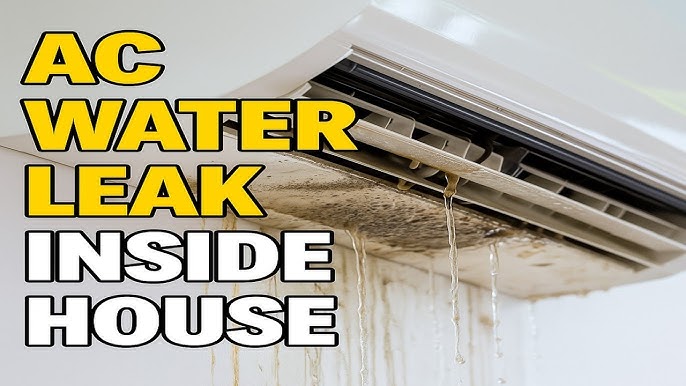
Is your air conditioner leaking water inside your home? You might be wondering why this is happening and what it means for your comfort and safety.
A leaking AC isn’t just annoying—it can cause damage to your walls, floors, and even your health if left unchecked. Understanding the reasons behind this problem can help you fix it quickly and avoid costly repairs. Keep reading to discover the common causes of indoor AC leaks and what you can do to stop the drip before it turns into a flood.
Credit: orzechheating.ca
Common Causes Of Indoor Ac Leaks
Air conditioners can leak water inside your home for several reasons. Understanding these causes helps you fix the problem quickly.
Leaks can damage your walls and floors if not handled. Here are the common causes of indoor AC leaks.
Clogged Drain Line
The drain line removes water from your AC. Dirt and debris can clog it over time. This blockage causes water to back up and leak inside.
Regular cleaning of the drain line stops leaks and keeps water flowing properly.
Frozen Evaporator Coil
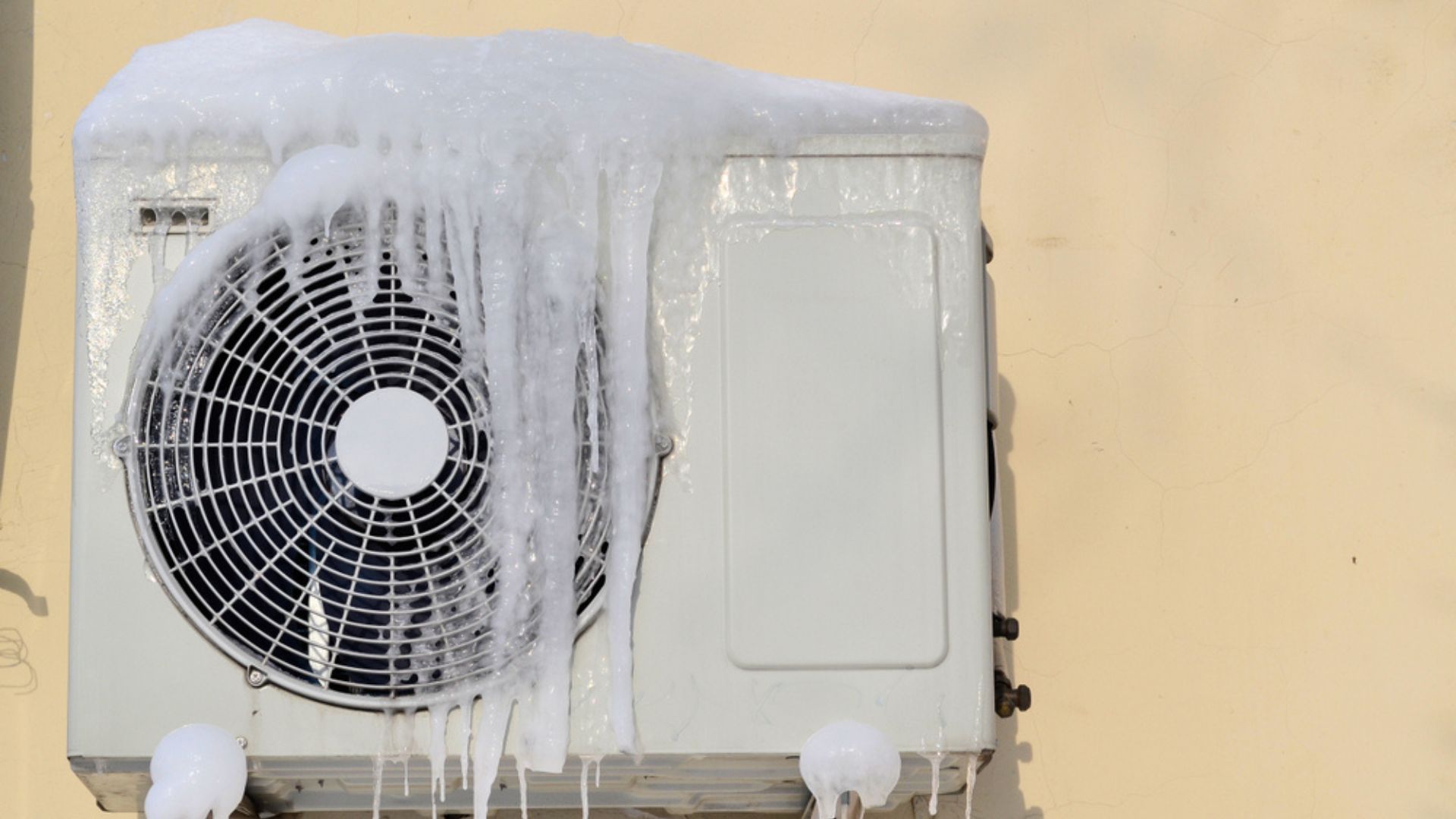
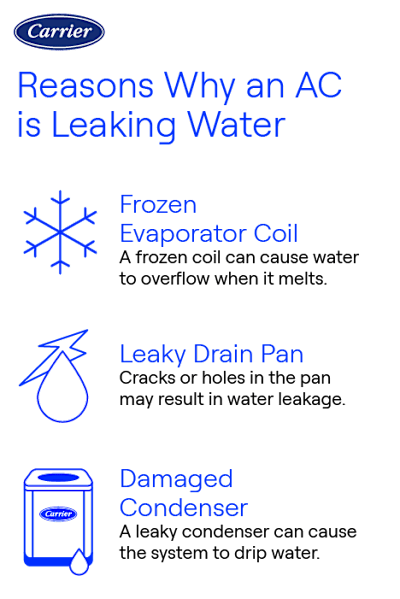
The evaporator coil cools the air. If it freezes, water can drip when the ice melts. This leads to indoor leaks.
Freezing happens due to low airflow or low refrigerant levels. Fixing these prevents coil freezing and leaks.
Damaged Drain Pan
The drain pan catches water from the evaporator coil. If it cracks or rusts, water can leak inside your home.
Check the pan regularly and replace it if damaged to avoid leaks.
Improper Installation
If your AC is installed wrong, it may not drain water correctly. This causes leaks inside your house.
Make sure professionals install your AC with proper slope and secure connections.
Low Refrigerant Levels
Low refrigerant makes the evaporator coil too cold. This causes ice to form and later melt, creating leaks.
Check refrigerant levels and refill if needed to stop leaks and improve cooling.
Signs Your Ac Is Leaking
An air conditioner that leaks inside can cause damage and discomfort. It is important to notice the signs early to fix the problem.
Leaks often show up in different ways. Knowing these signs helps you act before serious issues develop.
Water Puddles Near Unit
One clear sign of an AC leak is water pooling near the indoor unit. This happens when the drain line is clogged or broken.
Check the area under the AC for wet spots or puddles. Water stains on walls or floors also suggest a leak.
Unusual Musty Smell
A musty or moldy smell inside your home can mean water is leaking from your AC. Moisture encourages mold growth in hidden areas.
If you smell something strange near the unit, inspect for leaks or call a professional to check for mold.
Reduced Cooling Efficiency
When your AC leaks, it may not cool your home well. Water leaks can damage parts and reduce airflow.
If your AC runs longer but your house stays warm, a leak might be the cause.
Increased Humidity Indoors
Leaking water from the AC raises indoor humidity. Higher humidity makes the air feel sticky and uncomfortable.
Watch for damp walls or condensation on windows. These signs suggest your AC is leaking and not removing moisture properly.
Quick Fixes For Leaking Ac
Leaking air conditioners cause water damage and discomfort. Finding the quick fix helps avoid bigger problems.
Many leaks come from common issues you can fix at home. Check these easy solutions to stop leaks fast.
Clearing The Drain Line
The drain line can clog with dirt and mold. This stops water from flowing out and causes leaks inside.
- Turn off the AC power.
- Locate the drain line outside your home.
- Use a wet/dry vacuum to clear the clog.
- Flush the line with a mix of water and vinegar.
- Turn the AC back on and check for leaks.
Thawing The Evaporator Coil
A frozen evaporator coil can cause water to drip inside. Thaw it to stop leaking and improve cooling.
Turn off the AC and let the coil thaw naturally. Avoid using sharp objects to remove ice. Clean air filters to prevent freezing.
Replacing The Drain Pan
The drain pan collects water from the evaporator coil. If it cracks or rusts, water leaks inside.
| Problem | Solution |
| Cracked pan | Replace with a new one |
| Rusty pan | Clean or replace |
| Improper pan size | Use correct size pan |
| Blocked pan drain | Clear drain hole |
Checking And Recharging Refrigerant
Low refrigerant causes coil freezing and leaks. Check levels and recharge if needed.
Use a gauge to check pressure. If low, call a professional to recharge safely. Avoid DIY recharging without training.
Preventing Future Leaks
Leaks inside an air conditioner can cause damage and discomfort. Preventing leaks is easier with proper care. This guide covers key ways to avoid leaks in your AC unit.
Following simple steps can keep your air conditioner working well and dry inside. These tips focus on maintenance, installation, and system checks.
Regular Maintenance Tips
Regular maintenance helps spot problems early. Clean and check parts often to stop leaks before they start.
- Clean or replace air filters monthly to keep airflow smooth.
- Clear drain lines to prevent clogging and water buildup.
- Inspect the evaporator coil for dirt and clean it carefully.
- Check the condensate pan for cracks or rust and fix if needed.
- Schedule yearly professional tune-ups to inspect all components.
Proper Installation Practices
Correct installation reduces leaks and improves AC performance. Poor setup can cause water to pool inside and leak.
| Installation Step | Best Practice |
| Leveling Unit | Ensure the AC is perfectly level to allow proper drainage. |
| Sealing Connections | Seal all pipe and duct joints tightly to stop moisture escape. |
| Drain Line Setup | Install drain lines with a slight downward slope for water flow. |
| Insulation | Use proper insulation on pipes to prevent condensation. |
Monitoring System Performance
Watch your AC system regularly. Early detection of issues stops leaks from forming.
- Listen for unusual sounds that may signal blockages.
- Check for water puddles or damp spots near the indoor unit.
- Monitor temperature and humidity levels for irregular changes.
- Use smart thermostats to track system health and alerts.
When To Call A Professional
If your air conditioner is leaking inside, it might need expert help. Some leaks are easy to fix. Others need a professional’s skills.
Knowing when to call a professional saves time and prevents damage. Watch for signs that show you need help.
Persistent Leaks
Small leaks that come back after cleaning or fixing need a professional. Persistent leaks can cause water damage and mold.
Experts can find hidden problems like clogged drains or broken parts. They fix the root cause to stop leaks for good.
Complex Repairs
Some leaks happen because of complex issues like frozen coils or electrical failures. These need special tools and knowledge.
Trying to fix complex problems yourself can make things worse. A trained technician has the right skills to handle tough repairs safely.
Safety Concerns
Leaking water near electrical parts can be dangerous. If you see water close to wires or outlets, call a professional right away.
Professionals know how to work safely around electricity and refrigerants. They keep you and your home safe during repairs.

Credit: fischerheating.com
Credit: www.carrier.com
Frequently Asked Questions
Why Is My Air Conditioner Leaking Water Inside?
Your AC may leak inside due to a clogged drain line. Dirt blocks water drainage, causing overflow and leaks. Regular cleaning prevents this issue and maintains efficient cooling.
Can A Dirty Air Filter Cause Ac Leakage?
Yes, a dirty air filter restricts airflow. This causes the evaporator coil to freeze and melt water inside, leading to leaks. Replace filters regularly to avoid leakage.
How Does A Frozen Evaporator Coil Cause Leaks?
A frozen coil melts when the AC stops, dripping water inside. This happens due to low refrigerant or poor airflow. Timely maintenance fixes the problem.
Is Improper Installation Responsible For Ac Leaks?
Improper installation can cause poor drainage or loose connections. This results in water leaks inside your home. Ensure professional installation to avoid such issues.
Conclusion
A leaking air conditioner needs quick attention to avoid bigger problems. Check filters and drain lines often to keep things dry. Clean parts help your AC work well and last longer. Small leaks can turn into costly repairs if ignored.
Regular care saves money and keeps your home comfortable. Stay alert to signs of leaks and act fast. Your AC will thank you with better performance and less trouble. Simple steps prevent water damage and keep the air cool. Don’t wait—fix leaks early for peace of mind.