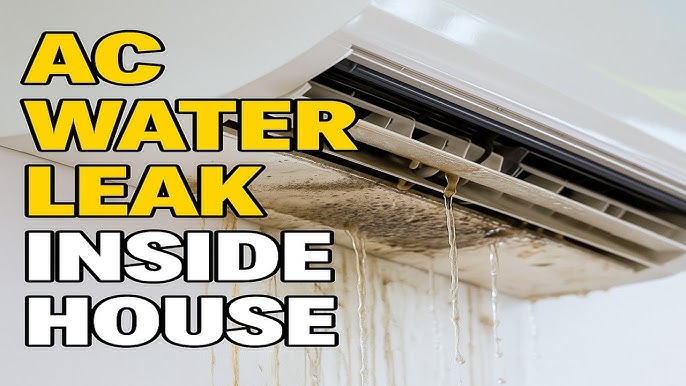
Is your air conditioner leaking water inside your house? This problem can be frustrating and worrying.
You might wonder if it’s a simple fix or a sign of a bigger issue. Water dripping from your AC can damage your floors, walls, and furniture if left unchecked. But don’t panic—understanding why this happens is the first step to solving it quickly.
You’ll discover the most common reasons behind your AC’s water leaks and easy ways to stop the drip before it causes more damage. Keep reading to protect your home and stay cool without the mess.
Common Causes Of Indoor Ac Leaks
Water leaking inside your house from the air conditioner can cause damage. It is important to find the cause quickly. Many issues can lead to indoor AC leaks.
Knowing the common causes helps you fix the problem or call a technician. This guide explains five main reasons your AC may leak water indoors.
Clogged Drain Line
The drain line removes water from the AC unit. Dirt and debris can block this line. When blocked, water cannot drain out properly.
Water builds up and leaks inside your home. Regular cleaning of the drain line helps prevent this problem.
- Dirt and algae cause clogs
- Water pools inside the unit
- Leaking near indoor AC parts
Frozen Evaporator Coil
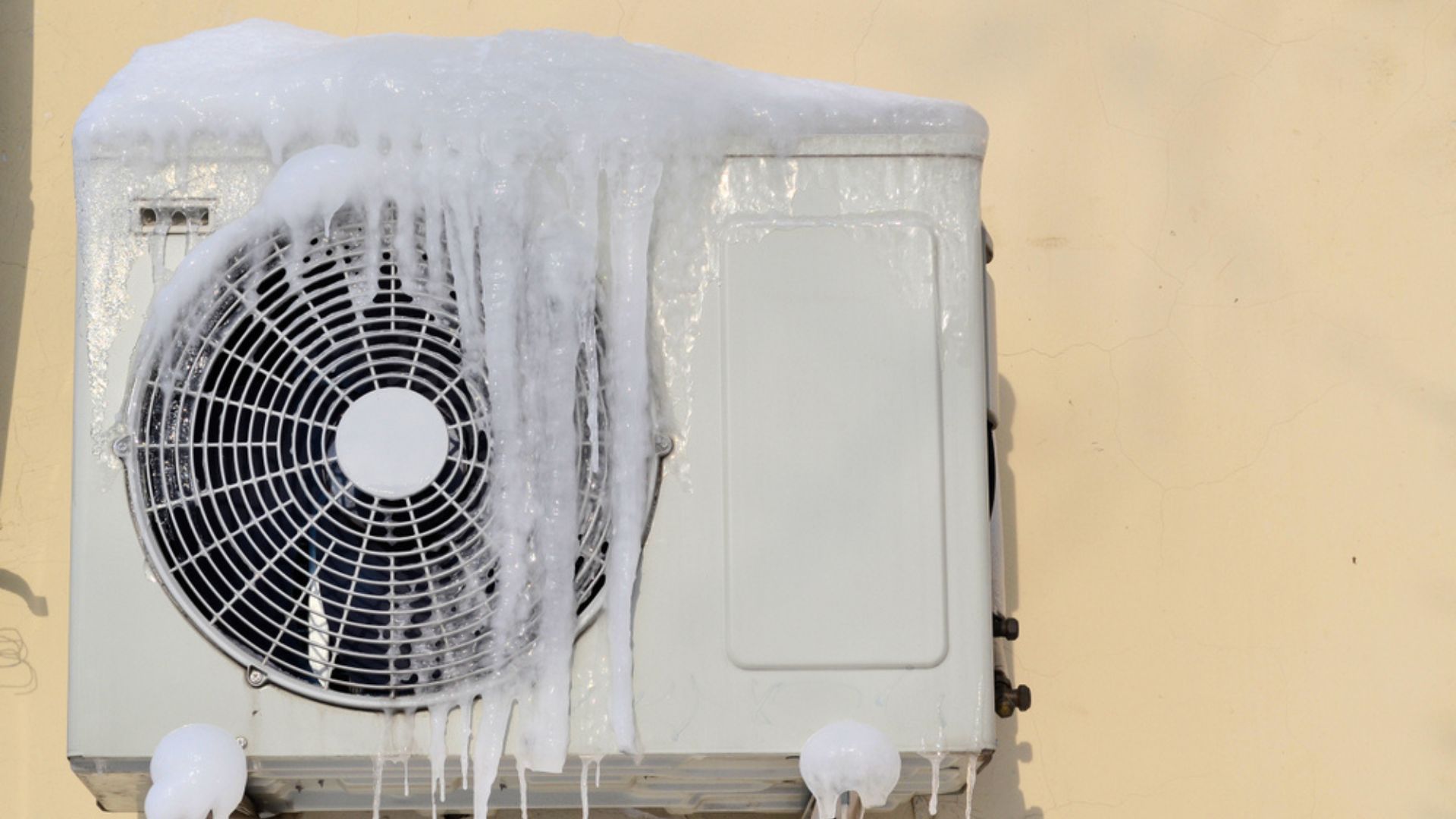
The evaporator coil cools the air. Low airflow or refrigerant issues can make it freeze. When the ice melts, water may drip inside your house.
Check for dirty filters or low refrigerant to stop the coil from freezing.
- Restricted airflow causes freezing
- Ice melts and causes leaks
- Dirty filters and vents worsen freezing
Damaged Or Rusted Drain Pan
The drain pan collects water from the evaporator coil. If it is cracked or rusted, water can leak inside the house. This part may need repair or replacement.
Check the pan regularly for damage. A good pan keeps water flowing to the drain line.
- Cracks cause water to spill
- Rust weakens the pan structure
- Replacement fixes leaks
Improper Installation
If the AC is not installed correctly, water may not drain well. The unit must be level for proper drainage. Wrong setup causes water to pool and leak inside.
Make sure a professional installs the system. Proper setup prevents many leak problems.
- Unit must be level for drainage
- Poor setup blocks water flow
- Leaks happen inside the house
Low Refrigerant Levels
Low refrigerant causes the evaporator coil to freeze. When ice melts, it leads to water leaks indoors. This issue also lowers the AC’s cooling power.
Fix leaks and refill refrigerant to stop indoor water problems and improve cooling.
- Low refrigerant causes coil freezing
- Melting ice creates water leaks
- Proper refrigerant levels keep system working
Credit: honorservices.com
How To Identify The Leak Source
If your air conditioner is leaking water inside your house, it is important to find the source. Water leaks can cause damage and reduce the AC’s efficiency.
Check different parts of the system carefully. This helps you fix the problem quickly and avoid bigger issues.
Checking The Drain Line
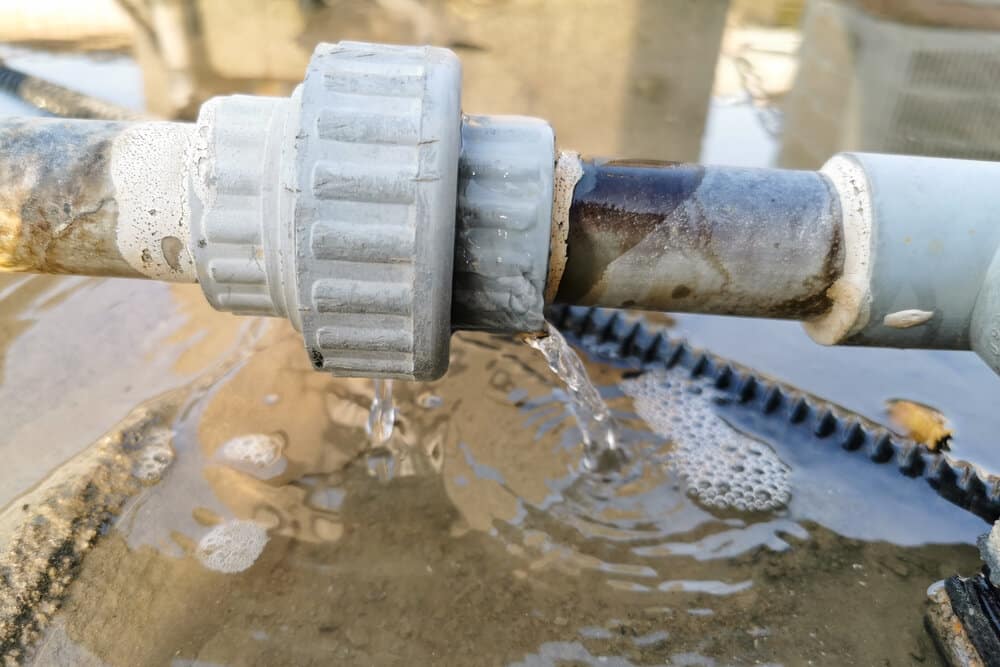
The drain line carries water outside your home. A clog or break can cause leaks inside.
Look for water near the drain pipe or pooling around the indoor unit. Use a vacuum or brush to clear small clogs.
- Locate the drain line near the indoor unit
- Check for cracks or loose connections
- Clear any visible blockages
- Run water to test if it flows freely
Inspecting The Evaporator Coil
The evaporator coil cools the air and creates condensation. If it freezes, water can drip inside.
Look for ice buildup on the coil or unusual dripping. A dirty coil can also cause leaks by blocking airflow.
- Turn off the AC and open the cover
- Check for ice or frost on the coil
- Clean the coil if it is dirty
- Check if the coil is damaged or bent
Examining The Drain Pan
The drain pan collects water from the evaporator coil. If it cracks or overflows, water leaks inside.
Look under the indoor unit for water or rust on the pan. Replace or clean the pan if needed.
- Find the drain pan below the evaporator coil
- Check for holes, rust, or cracks
- Empty the pan if it is full
- Make sure it is properly positioned
Monitoring Refrigerant Levels
Low refrigerant can cause the evaporator coil to freeze and leak water. Check the levels regularly.
Signs of low refrigerant include poor cooling and ice on the coil. A professional can refill the refrigerant safely.
- Watch for reduced cooling performance
- Look for ice build-up on the coil
- Call a technician to check refrigerant levels
- Avoid adding refrigerant yourself
Step-by-step Fixes
Water leaking inside your house from the air conditioner is a common problem. Fixing it quickly can prevent damage.
Below are simple steps you can take to stop your AC from leaking water indoors.
Clearing The Drain Line
The drain line can get clogged with dirt or mold. This stops water from draining outside and causes leaks inside.
- Turn off your AC unit.
- Locate the drain line near the outdoor unit.
- Use a wet/dry vacuum to suck out blockages.
- Flush the drain line with a mixture of water and vinegar.
- Repeat cleaning every few months to prevent clogs.
Thawing The Evaporator Coil
A frozen evaporator coil can cause water to drip inside. This happens if airflow is poor or refrigerant is low.
To thaw the coil, turn off your AC and let the ice melt naturally. Avoid using sharp tools to break the ice.
Replacing The Drain Pan
If the drain pan is old or cracked, it will leak water inside. Check the pan under the evaporator coil for damage.
| Signs of a Bad Drain Pan | Fix |
|---|---|
| Rust or corrosion | Replace the drain pan |
| Cracks or holes | Replace the drain pan |
| Water pooling inside | Clean or replace the pan |
Sealing Installation Gaps
Gaps around the AC unit can let water leak inside your home. Look for spaces where the unit meets walls or floors.
- Use silicone caulk to seal gaps around the unit.
- Check the sealant regularly for cracks or wear.
- Make sure the unit is properly mounted and level.
Recharging Refrigerant
Low refrigerant causes the coil to freeze and drip water inside. A professional can check and recharge the refrigerant safely.
Do not try to add refrigerant yourself. Handling refrigerants requires special tools and knowledge.
Credit: fischerheating.com
Preventive Maintenance Tips
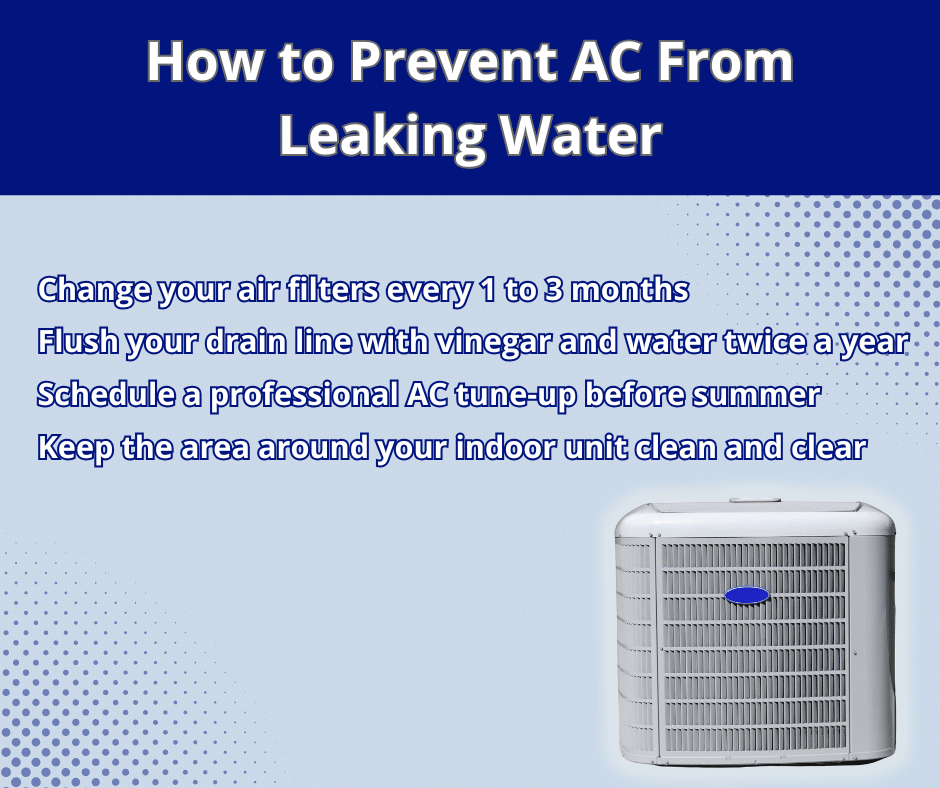
Air conditioners can leak water inside your house if not maintained well. Regular care helps prevent leaks and keeps your AC working well.
Follow these simple tips to keep your air conditioner dry and efficient all year long.
Regular Filter Cleaning
Dirty filters block airflow and cause ice to form on the coils. When ice melts, it can drip inside your home.
Clean or replace your air filters every one to three months. This keeps air flowing and stops water leaks.
Scheduled Professional Inspections
Experts can find small problems before they cause leaks. They check the drain lines and refrigerant levels carefully.
Set up yearly inspections with a trusted technician. This helps keep your AC in good shape and prevents water damage.
Maintaining Proper Thermostat Settings
Set your thermostat to a comfortable and steady temperature. Avoid setting it too low, which can freeze the coils.
Keep the thermostat at a consistent temperature to help your AC run smoothly and avoid leaks.
Ensuring Adequate Airflow
Blockages in vents or closed doors can reduce airflow. Poor airflow makes your AC work harder and can cause leaks.
Keep vents open and clear. Use fans if needed to help air circulate well inside your home.
- Do not block air vents with furniture
- Keep doors open in rooms with vents
- Use ceiling fans to improve air movement
- Clean vents regularly to remove dust
When To Call A Professional
Water leaking inside your house from the air conditioner can be a sign of trouble. Some leaks you can fix yourself. Others need a professional’s help.
Knowing when to call an expert can save your AC and prevent damage to your home.
Persistent Leaks After Diy Fixes
If you tried simple fixes like clearing the drain line or replacing the filter but leaks continue, call a professional. Persistent leaks may mean hidden problems.
Complex Refrigerant Issues
Low refrigerant or leaks in the refrigerant system cause water buildup. These problems need special tools and knowledge to fix safely.
- Refrigerant leaks can harm the environment.
- Handling refrigerants requires certification.
- Incorrect fixes can damage your AC unit.
Electrical Or Mechanical Problems
Water leaks can result from broken motors, faulty pumps, or wiring issues. These problems affect your AC’s operation and safety.
| Problem | Possible Cause | Why Call a Professional |
|---|---|---|
| Faulty Motor | Worn out parts | Needs expert repair or replacement |
| Broken Pump | Mechanical failure | Special tools required |
| Electrical Wiring | Short circuits or damage | Risk of shocks or fire |
Warranty And Safety Considerations
Attempting repairs yourself may void your AC warranty. Safety risks also rise without proper training.
- Check your warranty terms before DIY repairs.
- Water leaks near electrical parts can be dangerous.
- Professionals follow safety codes and guidelines.
Credit: orzechheating.ca
Frequently Asked Questions
Why Is My Air Conditioner Leaking Water Inside?
Water leaks occur when the drain line clogs or the pan cracks. Poor insulation or frozen coils can also cause leaks. Regular maintenance helps prevent these issues and keeps your AC functioning properly.
How Can I Stop My Ac From Leaking Water?
Clear the drain line and clean the drain pan regularly. Check for frozen coils and fix insulation problems. Scheduling professional AC maintenance ensures leaks are addressed promptly and efficiently.
Is A Leaking Ac Dangerous For My Home?
Yes, water leaks can damage walls, floors, and furniture. They also promote mold growth, which affects indoor air quality. Promptly fixing leaks protects your home and health.
Can A Clogged Drain Line Cause Indoor Ac Leaks?
Absolutely, a clogged drain line blocks water drainage. This causes water to back up and leak inside your home. Regular cleaning of the drain line prevents this common issue.
Conclusion
A leaking air conditioner can cause many problems at home. Clogged drains or dirty filters often cause water leaks. Fixing these issues quickly helps avoid bigger damage. Regular cleaning and checking your AC keeps it working well. Call a professional if leaks continue or worsen.
Don’t ignore water pooling inside your house. Taking action early saves money and stress later. Keep your home dry and cool by maintaining your air conditioner. Simple care makes a big difference in preventing leaks. Stay comfortable and protect your home from water damage.