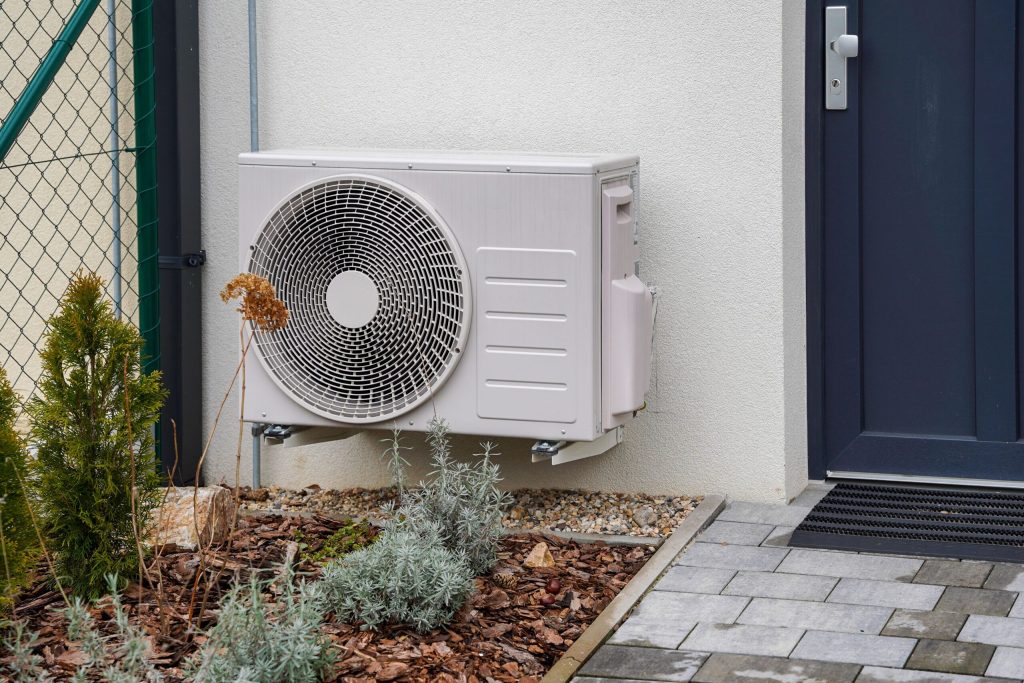
Is your air conditioner making more noise than usual inside your home? That constant loud buzzing or rattling can be frustrating and even stressful.
You rely on your AC to keep you cool and comfortable, not to add to your worries. But why is your air conditioner so loud inside? Understanding the reasons behind this noise can help you fix the problem quickly and get back to enjoying a peaceful, cool space.
Keep reading to discover the common causes and easy solutions that will bring back the quiet comfort you deserve.
Common Noise Types
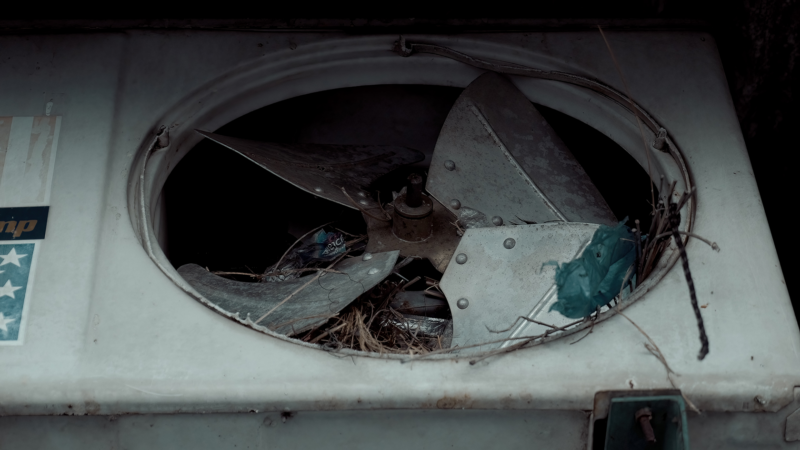
Rattling soundsoften come from loose parts inside the air conditioner. Screws or panels might be loose. Dirt or small objects can hit the fan blades. Tightening screws or cleaning the unit can stop these noises.
Humming noiseis usually caused by the motor or compressor. This sound is normal but gets louder if parts wear out. Sometimes, electrical issues cause a louder hum. Checking the motor and wiring helps find the problem.
Buzzing and clickingcan show electrical problems or a failing thermostat. Buzzing happens if the unit struggles to start. Clicking sounds come from the fan turning on and off quickly. These noises need fast attention to avoid damage.

Credit: davisheatingair.com
Fan And Motor Issues
Worn bearingscause the fan to make a loud grinding noise. They lose smoothness over time, leading to rough sounds.
Loose fan bladeshit the air conditioner’s casing. This creates loud rattling or banging noises that can be quite disturbing.
Motor malfunctionsresult in buzzing or humming sounds. The motor may overheat or wear out, causing unusual noise and poor performance.
| Issue | Noise Type | Cause |
|---|---|---|
| Worn Bearings | Grinding | Loss of smooth rotation |
| Loose Fan Blades | Rattling/Banging | Blades hitting casing |
| Motor Malfunctions | Buzzing/Humming | Overheating or wear |
Ductwork Problems
Loose or damaged ductscan cause rattling and banging noises inside your home. These ducts may vibrate when the air flows through them. Over time, the metal or connections can weaken, creating loud sounds. Fixing or sealing these parts helps reduce noise.
Air leakslet air escape from the ducts, causing whistling or hissing sounds. These leaks also make your air conditioner work harder. Sealing leaks with tape or mastic keeps air inside and lowers noise levels.
| Issue | Effect on Noise | Solution |
|---|---|---|
| Loose or Damaged Ducts | Rattling, banging | Secure or repair ducts |
| Air Leaks | Whistling, hissing | Seal leaks with tape or mastic |
| Improper Duct Sizing | Loud airflow noise | Adjust or replace ducts |
Improper duct sizingmakes air rush loudly through narrow or too large ducts. This causes loud humming or whooshing sounds. Correct sizing balances air flow and cuts down noise inside.
Compressor And Refrigerant
Compressor noiseis often the main cause of loud AC sounds inside. The compressor works hard to pump refrigerant and cool your home. Over time, parts can wear out, causing rattling or buzzing noises. Loose or damaged components increase noise levels.
Low refrigerant levelsmake the system work harder and louder. The AC may struggle to cool properly and create unusual sounds. Low refrigerant also risks freezing the coils, adding to noise problems.
Refrigerant leaksreduce cooling and cause the compressor to run longer. This leads to more noise and higher energy use. Leaks need quick fixing to stop damage and loud operation.
Installation And Maintenance Factors
Poor installationcan cause your air conditioner to make loud noises. If the unit is not fixed well, it may vibrate or shake. Loose parts create annoying sounds. An improperly mounted AC struggles to work quietly.
Lack of regular maintenanceleads to noisy operation. Dust and dirt build up inside the system. Worn-out parts start to rattle or buzz. Regular check-ups keep the AC running smoothly and quietly.
Dirty or clogged filters block airflow. This forces the AC to work harder than usual. The motor strains and makes louder sounds. Clean filters improve air quality and reduce noise.
Credit: www.airtechofhouston.com
When To Call A Professional
Loud noisesfrom your air conditioner can mean a serious issue. Strange sounds like grinding, banging, or screechingshould not be ignored. These noises often point to broken parts or loose components.
Safety is important.Strange smells or smoke near your AC need immediate attention. Faulty wiring or electrical problems can be dangerous. Avoid using the unit until a professional checks it.
| Signs of Serious Problems | Cost Considerations |
|---|---|
|
|

Credit: www.callmattioni.com
Frequently Asked Questions
Why Is My Air Conditioner So Noisy?
A noisy air conditioner can be due to loose parts, debris, or a failing motor. Regular maintenance can prevent such issues. If the noise persists, consider consulting a professional to diagnose and fix the problem. Addressing noise early can prevent further damage and ensure efficient operation.
How Can I Reduce Air Conditioner Noise?
To reduce noise, ensure your air conditioner is well-maintained and free from debris. Tighten loose components and check for wear and tear. Installing sound blankets or barriers can also help. If the problem continues, seek professional assistance to identify and fix the underlying issue.
Is A Loud Air Conditioner Dangerous?
A loud air conditioner can indicate underlying issues that might lead to more significant problems. While not immediately dangerous, ignoring the noise can cause further damage. It may result in costly repairs. Addressing the noise promptly ensures safety and prolongs the unit’s lifespan.
Can Air Conditioner Noise Affect Efficiency?
Yes, air conditioner noise can signal inefficiencies, such as loose parts or a malfunctioning motor. These issues may lead to increased energy consumption. Addressing noise promptly can restore efficiency and reduce energy bills. Regular maintenance helps maintain optimal performance and efficiency.
Conclusion
A loud air conditioner inside can signal a problem. Dirt, loose parts, or worn-out components often cause noise. Regular cleaning and simple repairs can help a lot. Ignoring sounds may lead to bigger issues later. Stay alert to changes in your AC’s noise.
Quiet and smooth running means your unit works well. Take small steps to keep your home cool and calm.