Using a breast pump can be very helpful for mothers. It helps to collect milk when you cannot feed your baby directly. But sometimes, your breast pump may stop suctioning. This means it does not pull milk properly. This problem can be very frustrating. But do not worry. Many mothers face this issue. The good news is you can fix it. Let’s talk about why your breast pump is not suctioning and what you can do.
What Does Suction Mean?
Suction is the pull or vacuum created by the pump. This pull helps to draw milk from the breast. If suction is weak or missing, milk flow will stop or slow down. A strong suction is needed for good milk flow.
Common Reasons Why Your Breast Pump Is Not Suctioning
There are many reasons why your pump may not work well. Here are the most common ones:
- Incorrect Assembly: Parts may not be put together the right way.
- Leaks in the System: Air can get in and stop the vacuum.
- Worn or Damaged Parts: Parts like valves or membranes can break.
- Blocked Tubing: Milk or moisture can block the air tubes.
- Power Issues: Low battery or power problems can reduce suction.
- Wrong Size Flanges: Using the wrong size parts can affect suction.
- Pump Settings: Suction level may be set too low.
How to Check Your Breast Pump for Suction Problems
You can do a few simple checks at home. These steps help find the problem quickly.
1. Check The Assembly
Make sure all parts fit tightly. Look at the manual. Check if the breast shield, valves, and membranes are placed right. Loose parts cause air to enter, reducing suction.
2. Look For Leaks
Turn on the pump and listen. If you hear air hissing, there may be leaks. You can also feel if air is coming from the wrong places. Tighten or change parts if needed.
3. Inspect Valves And Membranes
Valves and membranes are small parts that control milk flow. If they are torn or dirty, suction will be weak. Clean them gently or replace them if broken.
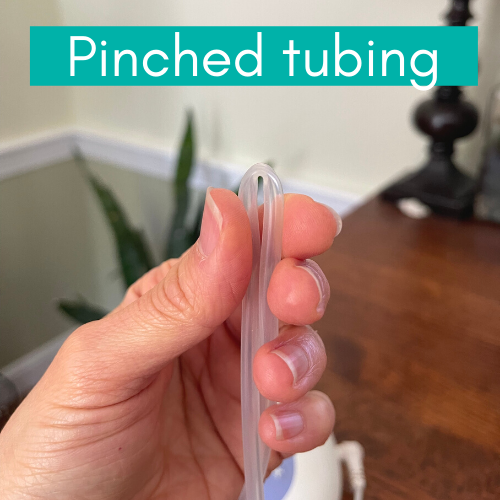
4. Check Tubing
Tubes carry air to create suction. Check if they are cracked, wet, or blocked. Replace damaged tubes. Dry wet tubes well before use.
5. Test Power Supply
If your pump uses batteries, check if they are full. Plug-in pumps should be connected well. Low power can reduce suction strength.
6. Use The Right Size Flanges
Flanges are the parts that fit on your breast. Using the wrong size can cause poor suction. If flanges are too big or small, milk flow slows. Many pumps come with different flange sizes. Try different sizes to find the best fit.
7. Adjust Pump Settings
Most pumps have suction levels. If the level is too low, milk may not flow well. Try increasing suction slowly. Do not use too much suction as it can hurt your breast.
Tips to Improve Breast Pump Suction
Here are some tips to get better suction and milk flow:
- Clean Parts Regularly: Milk and dirt can block parts.
- Use Warm Compress: Warm your breast before pumping to help milk flow.
- Relax: Stress can reduce milk let-down. Find a calm place.
- Massage Your Breast: Gently massage to help milk flow.
- Check Parts Before Each Use: Make sure parts are clean and fit well.
- Replace Old Parts: Parts wear out after time.
What If the Problem Continues?
If you try all these tips and your pump still does not suction, get help. You can contact the pump maker or your doctor. Sometimes pumps have defects. Or you may need a new pump.
Also, talk to a lactation consultant. They can help check your technique and suggest solutions.

Credit: www.nourishedyoung.com
How to Avoid Suction Problems in the Future
Good care and use help prevent problems. Follow these steps:
| Care Step | Why It Helps |
|---|---|
| Clean parts after each use | Prevents milk build-up and blockages |
| Store parts safely | Avoids damage and dirt |
| Check parts for damage often | Ensures all parts work well |
| Use correct flange size | Improves comfort and suction |
| Replace parts as recommended | Keeps pump working properly |
Credit: acelleron.com
Summary
When your breast pump is not suctioning, it means milk will not flow well. Check if parts are assembled correctly. Look for leaks or damaged parts. Clean and dry tubes. Use the right flange size. Adjust pump suction level. Keep the pump clean and well cared for. If problems continue, ask for help. A good suction helps you collect milk for your baby comfortably.
Remember, breast pumping can take some practice. Be patient with yourself and your pump. Soon, you will find what works best for you.
Frequently Asked Questions
Why Is My Breast Pump Losing Suction Suddenly?
A loose or cracked valve or membrane often causes loss of suction.
Can A Dirty Breast Pump Affect Suction?
Yes, dirt or milk residue can block airflow and reduce suction.
How Do I Check If Breast Pump Parts Are Damaged?
Look for cracks, tears, or warping on valves, membranes, and tubing.
Does Wrong Assembly Cause Breast Pump Suction Problems?
Incorrectly assembled parts can stop air from sealing properly, lowering suction.