Is your car air conditioner making strange noises? You’re not alone.
When your AC starts humming, rattling, or squealing, it’s more than just annoying—it’s a sign that something might be wrong. Ignoring these sounds can lead to bigger problems and costly repairs. But don’t worry, understanding why your car’s air conditioner is making noise can help you fix the issue before it gets worse.
Keep reading to discover the common causes and what you can do to keep your ride cool and quiet.

Credit: baterihub.com
Common Noises From Car Ac
Car air conditioners can make strange noises. These sounds often mean the system needs attention. Knowing the noise type helps in fixing the issue.
This guide covers common noises you might hear from your car AC. Learn what each noise means and what to check first.
Rattling Sounds
Rattling sounds usually come from loose parts inside the AC system. It can be debris caught in the fan or a loose belt.
Check these possible causes of rattling noises:
- Loose blower motor fan
- Broken or loose belt
- Debris inside the AC vents
- Worn out pulley or bearing
Squealing Or Whining
Squealing or whining sounds often indicate a problem with the AC compressor or belts. The noise can get worse when the AC is turned on.
Common reasons include:
- Worn or loose belts
- Failing AC compressor
- Lack of lubrication in moving parts
Hissing Or Bubbling
Hissing or bubbling noises usually come from refrigerant leaks or pressure changes in the system. These sounds are often heard near the AC lines or evaporator.
| Noise Type | Possible Cause |
| Hissing | Refrigerant leak or pressure release |
| Bubbling | Air trapped in the refrigerant lines |
| Faint Hiss | Normal pressure equalizing |
Clicking Or Tapping
Clicking or tapping sounds may come from the AC clutch or electrical parts. These noises often repeat at regular intervals.
Possible causes include:
- Faulty AC clutch engaging and disengaging
- Relay or electrical switch problems
- Debris caught in the blower motor

Credit: timsquality.com
Sources Of Ac Noise
Your car air conditioner can make strange noises for several reasons. Identifying the source helps you fix the problem faster.
Noise from your AC may come from worn parts or blockages. Knowing these causes helps keep your car comfortable.
Compressor Issues
The compressor is the heart of your AC system. If it makes loud noises, it may be failing or damaged.
Common sounds include grinding, squealing, or clanking. These can mean worn bearings or internal damage.
Loose Or Damaged Belts
Belts connect the engine to the AC compressor. If they are loose or cracked, they cause squealing noises.
Worn belts can slip or break, stopping the AC from working properly. Regular checks help avoid this.
Clogged Or Dirty Filters
Filters clean the air before it enters the car cabin. Dirty filters reduce airflow and cause whistling noises.
Changing or cleaning filters often keeps the AC quiet and working well.
Faulty Blower Motor
The blower motor pushes air through the vents. If it wears out, it can make buzzing or rattling sounds.
A faulty motor may also cause uneven airflow or stop the AC from cooling properly.
Refrigerant Leaks
Leaks in the refrigerant lines can cause hissing or bubbling noises. Low refrigerant reduces cooling power.
Detecting leaks early helps prevent damage to the AC system and saves repair costs.
Diagnosing The Problem
Car air conditioners can make strange noises for several reasons. Finding the cause helps fix it quickly. This guide shows how to diagnose the problem safely.
Start by checking what you can see and hear. Then decide if you need special tools or expert help. Follow these tips to understand the noise better.
Visual Inspection Tips
Look under the hood and inside the cabin for signs of damage or loose parts. Check belts and hoses connected to the AC system. Dirt or wear can cause noise.
- Inspect the compressor for cracks or leaks
- Check the fan blades for dirt or damage
- Look for loose bolts or screws
- See if the AC vents are blocked or dirty
Listening Techniques
Listen carefully to the noise while the AC runs. Different sounds point to different problems. Try to identify when the noise happens.
| Noise Type | Possible Cause |
| Rattling | Loose parts or debris |
| Squealing | Worn belts or bearings |
| Hissing | Refrigerant leak |
| Clicking | Faulty relay or compressor |
When To Use Professional Tools
Some AC issues need special tools to find the cause. Professionals use these devices to check pressure and electrical parts.
- Pressure gauges to measure refrigerant levels
- Multimeters to test electrical circuits
- Leak detectors for finding gas leaks
- UV lights to spot refrigerant leaks

Credit: timsquality.com
Diy Fixes For Noisy Ac
Your car air conditioner can make noise for many reasons. Some noises come from simple problems you can fix yourself.
Try these easy DIY fixes to quiet your AC and keep it working well.
Tightening Loose Components
Loose parts in your AC system can cause rattling or knocking sounds. Check bolts, screws, and brackets around the AC unit.
Use a wrench or screwdriver to tighten any loose components you find. This often stops the noise quickly.
Replacing Worn Belts
Old or worn belts can slip and make squealing noises. Inspect the belts connected to the AC compressor.
If a belt looks cracked or frayed, replace it with a new one. A new belt helps the AC run smoothly and quietly.
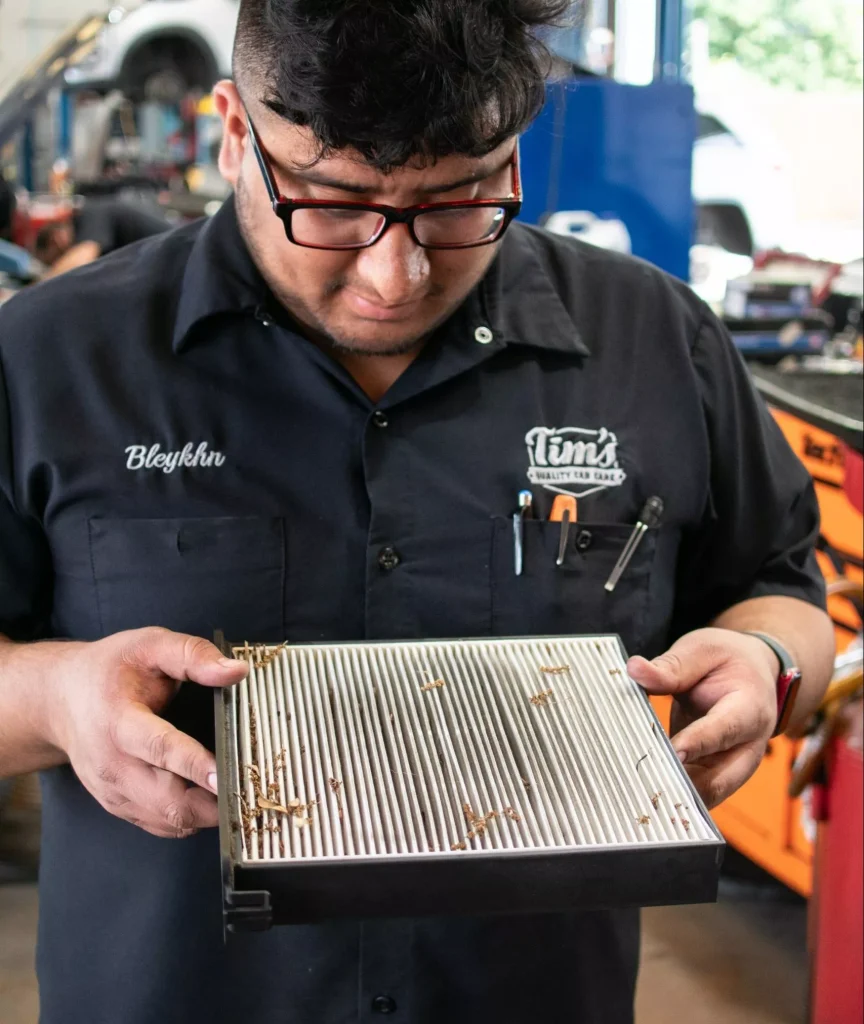
Cleaning Air Filters
Dirty air filters block airflow and can cause the AC to work harder and make noise. Check your car’s air filters regularly.
Remove the filters and clean or replace them as needed. Clean filters improve air flow and reduce noise.
- Locate the air filter housing
- Remove the filter carefully
- Use compressed air or wash if reusable
- Replace if the filter is too dirty or damaged
Lubricating Moving Parts
Friction in moving parts can cause squeaks or grinding sounds. Apply lubricant to the AC’s fan motor and other moving parts.
Use a silicone spray or light machine oil. Avoid over-lubricating, which can attract dirt and cause more problems.
When To Seek Professional Help
Your car air conditioner making noise can signal serious problems. Some issues need expert checks and repairs.
Ignoring strange sounds may cause more damage. Learn when to call a professional mechanic.
Signs Of Compressor Failure
A noisy compressor often means it is breaking down. Listen for grinding or squealing sounds from under the hood.
- Air conditioner blows warm air
- Unusual noises while AC runs
- AC stops working suddenly
- Visible leaks near the compressor
Handling Refrigerant Issues
Refrigerant problems can cause hissing or bubbling noises. Low refrigerant levels reduce cooling power.
| Symptom | Possible Cause | Action |
|---|---|---|
| Hissing sound | Refrigerant leak | Check and repair leaks, recharge refrigerant |
| Bubbling noise | Blocked expansion valve | Clean or replace valve |
| Weak cooling | Low refrigerant | Refill refrigerant |
Complex Electrical Problems
Electrical faults may cause clicking sounds or intermittent AC function. They are tricky to fix without tools.
Electrical problems include:
- Faulty wiring or loose connections
- Blown fuses or relays
- Bad AC control module
Only trained technicians should inspect these issues.
Preventing Future Ac Noise
Car air conditioners can make noise due to many reasons. Preventing future noise keeps your drives comfortable and quiet.
Simple care and good habits help your AC run smoothly for a long time.
Regular Maintenance Schedule
Check your AC system regularly to avoid problems. Clean or replace filters often. Check belts and hoses for wear and tear.
- Inspect AC components every 6 months.
- Replace cabin air filters yearly.
- Clean condenser coils to keep airflow steady.
- Check refrigerant levels and refill if needed.
Using Quality Replacement Parts
Use parts made for your car model. Low-quality parts can cause noise or damage. Good parts fit well and last longer.
| Part | Quality Needed | Effect on AC Noise |
| Compressor | High | Prevents grinding or rattling sounds |
| Fan Blades | High | Reduces wobbling or knocking noises |
| Belts | Medium to High | Stops squealing or slipping sounds |
| Filters | Medium | Keeps airflow smooth and quiet |
Safe Operating Practices
Run your AC with care to avoid noise. Don’t turn it on full blast right away. Let your car warm up first.
- Avoid using AC with low refrigerant levels.
- Turn off AC before turning off the engine.
- Keep windows closed to reduce strain on the system.
- Do not force the fan speed beyond recommended limits.
Frequently Asked Questions
Why Does My Car Ac Make A Rattling Noise?
A rattling noise may indicate loose components or debris in the system. It could be a sign of a failing compressor, worn-out bearings, or loose mounting bolts. Regular maintenance can prevent these issues. If the noise persists, consult a professional mechanic for a thorough inspection.
What Causes A Hissing Sound In Car Ac?
A hissing sound often results from refrigerant leaks in the AC system. This could reduce cooling efficiency and damage the compressor. It’s crucial to address leaks promptly. Inspect hoses and connections for visible signs of leakage. For accurate diagnosis and repair, seek assistance from a certified technician.
Is A Buzzing Noise From Ac Normal?
A buzzing noise usually indicates electrical issues or a failing compressor. Loose components or worn-out parts can also cause buzzing sounds. Ignoring these sounds may lead to costly repairs. To ensure safety and efficiency, have a professional evaluate and fix the problem promptly.
Why Does My Ac Make Clicking Sounds?
Clicking sounds may occur when the AC turns on or off. It’s typically normal but can indicate a relay issue if persistent. Worn-out relay switches or electrical faults could cause continuous clicking. For peace of mind, have a mechanic check the AC system for underlying issues.
Conclusion
A noisy car air conditioner often signals a problem. It could be worn belts, loose parts, or low refrigerant. Fixing the noise early saves money and stops bigger issues. Regular checks keep the AC running smooth and quiet. Don’t ignore strange sounds—they mean your AC needs care.
A quiet, cool ride starts with a well-maintained air conditioner. Keep your car comfortable and noise-free by addressing issues fast. Simple steps can improve your driving experience and avoid costly repairs.