Have you ever turned on your car’s air conditioner expecting a blast of cool air, only to be met with an unexpected noise? It’s not just annoying; it can also be a sign that something might be wrong.
The good news is, you’re not alone, and there are often simple explanations and solutions. We’ll explore why your car air conditioner might be making those strange noises. Whether it’s a rattling, hissing, or even a loud bang, understanding the cause can save you time, money, and stress.
Stick around as we dive into the common culprits behind these sounds and how you can address them, ensuring your drives remain comfortable and worry-free.

Credit: timsquality.com
Common Ac Noises
Rattling soundsoften mean loose parts inside the AC system. Screws or bolts might be loose. Sometimes debris caught in the fan causes this noise.
Hissing or bubblingcan show a refrigerant leak. This sound comes from gas escaping. It may also happen if the AC is low on coolant.
Squealing or screechingusually points to a worn belt or motor issue. The belt might be slipping or dry. This noise gets worse when the AC runs.
Clicking or tappingcan be the AC clutch or relay trying to turn on. It may also come from electrical parts inside the system. This noise repeats on and off.
Mechanical Issues
The worn out compressoroften causes strange noises in car AC systems. It may squeal or grind when failing. This part pumps refrigerant through the system, so damage affects cooling.
Loose or damaged beltscan also create noise. These belts turn the compressor and other parts. If they slip or crack, a squeaking or chirping sound appears. This reduces AC efficiency.
The faulty blower motoris another noise source. It pushes air through vents. When damaged, it may rattle or buzz loudly. Dust or debris inside the motor can worsen the sound.
Refrigerant Problems
Low refrigerant levelscan cause your car’s air conditioner to make strange noises. The system may struggle to cool the air properly. This often leads to a hissing or bubbling sound. The low pressure makes the compressor work harder, which can create loud noises.
Leaks in the systemare a common cause of low refrigerant. Leaks let the refrigerant escape, reducing cooling power. You might hear a hissing sound near the leak. Over time, the system becomes less efficient and noisy. Finding and fixing leaks is important to stop noise and keep the AC working well.
Debris And Blockages
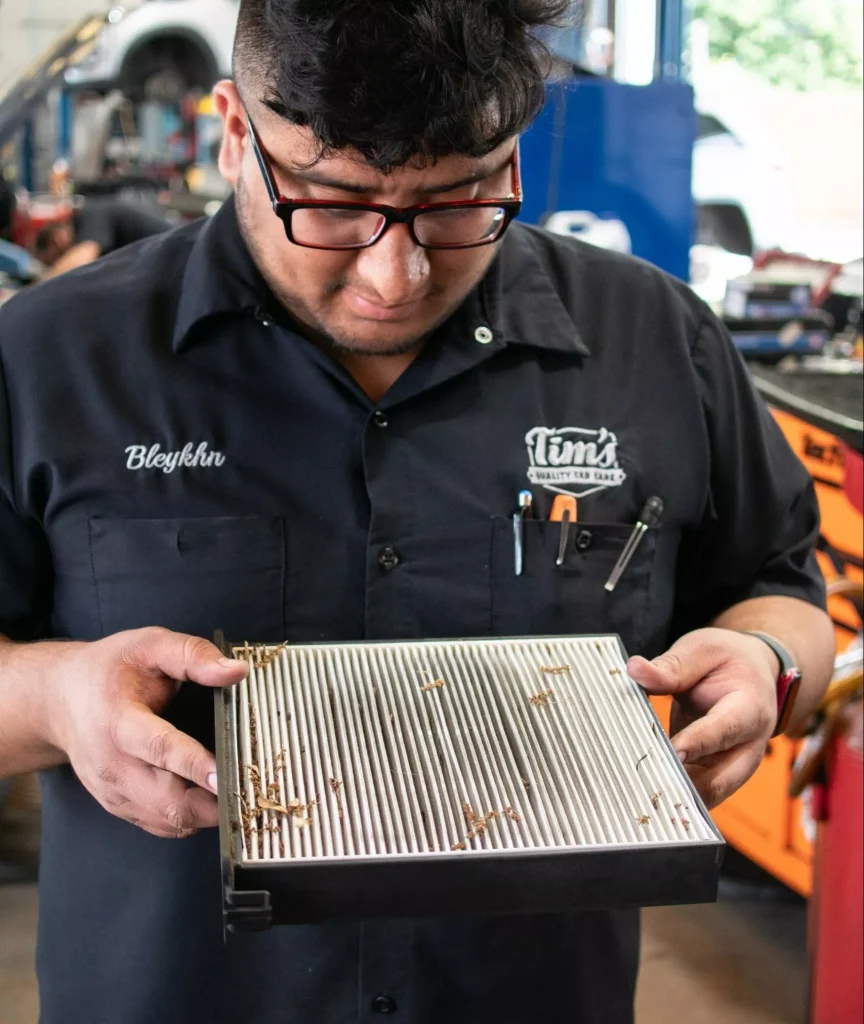
Clogged air filterscan cause your car air conditioner to make noise. These filters catch dust and dirt but get blocked over time. This blockage stops air from flowing freely. The AC system works harder, creating strange sounds.
Obstructed condenser or evaporatoralso leads to noise problems. Leaves, bugs, or dirt can block these parts. This stops proper cooling and causes the fan or compressor to strain. You might hear buzzing or rattling sounds.
- Clean or replace air filters regularly.
- Check for leaves or debris near condenser and evaporator.
- Remove any visible blockages carefully.
Electrical Malfunctions
Faulty wiringin the car’s air conditioner can cause strange noises. Wires may be loose, frayed, or damaged. This can lead to electrical sparks or buzzing sounds. Such issues can also cause the system to stop working properly.
Sensor failuresaffect how the AC controls temperature and airflow. Broken sensors might send wrong signals, causing the system to work too hard or stop suddenly. This can result in clicking or humming noises inside the AC unit.
- Loose wires create buzzing or crackling sounds.
- Damaged wiring can cause intermittent noise.
- Bad sensors may cause the AC to switch on and off quickly.
- Sensor errors often lead to irregular noises and poor cooling.

Credit: www.youtube.com
Preventive Maintenance Tips
Regular inspections help find small problems early. Check belts and hoses for wear. Look for leaks around the compressor. Listen for unusual sounds from the fan or motor. Early detection saves money and prevents bigger issues.
Timely repairs keep the system running smoothly. Fix broken parts right away. Replace worn belts or damaged compressors quickly. Delaying repairs may cause more noise and damage. Prompt action ensures the air conditioner works well.
Cleaning and replacements improve air flow and reduce noise. Clean or replace the air filter often. Dirt buildup makes the system work harder. Clear debris from vents and coils. Clean parts help the AC run quietly and efficiently.

Credit: timsquality.com
Frequently Asked Questions
Why Is My Car Ac Making A Rattling Noise?
A rattling noise often means loose or damaged parts in the AC system. It could be the blower motor, fan, or compressor. Checking these components early prevents further damage and costly repairs.
What Causes A Squealing Sound From Car Air Conditioner?
Squealing usually indicates a worn or slipping AC belt. The belt may be loose, cracked, or damaged. Replacing or tightening the belt restores smooth operation and stops the noise.
Can A Noisy Car Ac Compressor Cause Damage?
Yes, a noisy compressor can fail and damage the AC system. Strange sounds often mean internal wear or insufficient lubrication. Addressing noise issues quickly preserves compressor life and system efficiency.
How To Stop My Car Ac From Making Grinding Noises?
Grinding noises suggest debris in the blower fan or failing motor bearings. Cleaning or replacing these parts can eliminate the noise and improve airflow. Professional inspection is recommended for safety.
Conclusion
Noisy car air conditioners often signal a problem inside. Strange sounds can mean worn parts or low refrigerant. Acting fast can prevent bigger, costly repairs. Regular checks keep your AC running smooth and quiet. Listen to your car; it tells you what’s wrong.
Stay safe and cool by fixing noises early. Don’t ignore unusual sounds during drives anymore. Simple care helps your car’s air conditioner last longer.