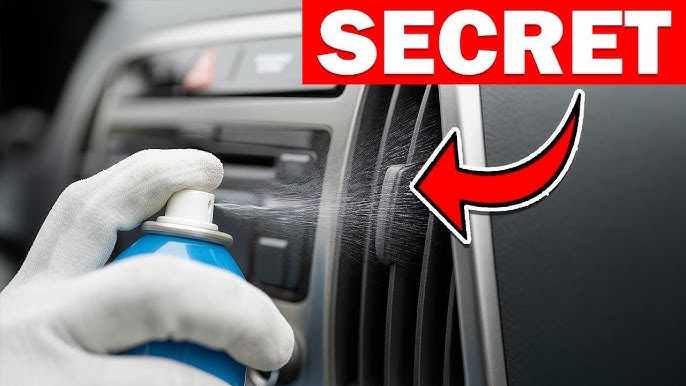
Have you ever turned on your car’s air conditioner and noticed a strange whistling sound? That annoying noise can be more than just a minor distraction—it might be a sign that something is wrong with your AC system.
If you’re wondering, “Why is my car air conditioner whistling? ” You’re not alone. Understanding what causes this sound can save you from costly repairs and keep your drives cool and comfortable. Keep reading to find out what’s behind that whistle and what you can do about it.

Credit: baterihub.com
Common Causes Of Whistling
Whistling sounds from a car air conditioner can be annoying and signal a problem. These noises happen when air moves through narrow or damaged parts.
Knowing the common causes helps you find and fix the issue quickly.
Leaky Air Ducts
Air ducts carry cooled air inside your car. Small holes or cracks in these ducts can cause whistling sounds. Air escapes through leaks, making a high-pitched noise.
- Wear and tear over time
- Damage from debris or accidents
- Improper installation or repairs
Faulty Blower Motor
The blower motor pushes air through the AC system. If it is damaged or worn, it may whistle. Problems include loose parts or worn bearings inside the motor.
| Issue | Possible Cause | Effect |
| Loose Fan Blades | Wear | Whistling noise at high speed |
| Worn Bearings | Age | Continuous whistling or grinding sound |
| Electrical Faults | Short circuit | Intermittent whistle |
Blocked Air Filters
Air filters clean the air before it enters the cabin. When filters are dirty or clogged, airflow reduces. This causes air to speed up through narrow spaces, creating a whistle.
- Reduced airflow affects cooling
- Filters need regular cleaning or replacement
- Dirty filters can cause bad smells too
Damaged Seals Or Gaskets
Seals and gaskets keep air inside ducts and vents. If these parts crack or break, air can escape. This makes a whistling noise as air rushes through the gaps.
| Seal/Gasket Area | Common Damage | Resulting Noise |
|---|---|---|
| Door Seals | Cracks, wear | High-pitched whistle when AC runs |
| Vent Gaskets | Loose fit | Whistling during air flow |
| Window Seals | Gaps | Whistling at higher speeds |
Diagnosing The Whistling Sound
A whistling sound from your car’s air conditioner can be annoying. It often means air is moving in a strange way.
Finding the cause helps you fix the problem fast. Start by checking where the sound comes from and how strong the airflow is.
Listening For Location
Pay close attention to where the whistling sound is loudest. It can be from the dashboard, vents, or near the windshield.
Move around the car while the AC is on. This helps you find the exact spot causing the noise.
Checking Airflow Strength
Feel the air coming out of each vent. Weak airflow can cause air to speed up and whistle.
Compare the airflow from all vents. If some vents have less air, there might be a blockage or leak.
Inspecting Vents And Ducts
Look inside the vents for dust or objects blocking air. Clean vents often stop whistling sounds.
Check the ducts under the dashboard for cracks or loose connections. Damaged ducts cause air to escape and whistle.
- Remove vent covers to check inside
- Use a flashlight to see clearly
- Fix or replace damaged ducts
- Clean dust and debris regularly
Quick Fixes To Try
A whistling sound from your car’s air conditioner can be annoying. It often means air is moving in a way it should not. You can try some easy fixes before visiting a mechanic.
These quick fixes help stop the noise and improve airflow. They are simple and save time.
Replacing Air Filters
Dirty or clogged air filters can cause whistling noises. When filters block airflow, air moves faster through small gaps, making sounds.
Check your air filter regularly. Replace it if it looks dirty or dusty. A clean filter helps air flow smoothly and reduces noise.
Sealing Air Leaks
Air leaks in the ductwork or around vents let air escape. This makes a whistling or hissing sound. Find leaks by listening closely or feeling for air.
Use tape or sealant to close small gaps. Sealing leaks keeps air inside the system and stops the noise.
Cleaning Vents
Blocked or dirty vents can cause air to whistle as it moves through. Dust and debris narrow vent openings and change airflow.
Clean vents by removing dust and dirt with a brush or vacuum. Clear vents help air move freely and reduce whistling.
Adjusting Blower Settings
Sometimes the blower fan speed is too high. Fast airflow through small spaces can cause whistling sounds. Try lowering the blower speed.
Adjust the blower settings gradually. Find a speed where airflow is good but noise is low. This can stop whistling without losing cooling power.

Credit: www.autonationmobileservice.com
When To See A Professional
If your car air conditioner makes a whistling sound, it might need attention. Sometimes, the noise means a small problem.
Other times, it signals a bigger issue that needs a mechanic. Knowing when to see a professional can save you time and money.
Persistent Noises
If the whistling noise does not stop after a short while, it is a sign to check the AC. Persistent noises may mean air leaks or clogged filters.
These problems need fixing to avoid damage. A professional can find and fix the source of the noise.
Complex Mechanical Issues
Whistling can also come from parts inside the AC system. Issues like a failing compressor or worn belts cause unusual sounds.
These problems are hard to fix without special tools. A mechanic can diagnose and repair complex mechanical issues safely.
Ac Performance Problems
If your AC whistles and cools less, it needs professional help. Low cooling can mean leaks or low refrigerant levels.
- Whistling with weak airflow
- Warm air blowing from vents
- AC stops working suddenly
A trained technician can check the system and restore proper performance.
Preventive Maintenance Tips
A whistling sound from your car air conditioner can be annoying. It often means there is a small problem in the system.
Taking care of your AC regularly helps stop this noise. It also keeps the air conditioner working well for a long time.
Regular Filter Changes
The air filter cleans the air before it enters the car. A dirty filter blocks airflow and can cause whistling sounds.
Changing the filter often keeps the air flowing smoothly. This helps the AC work quietly and efficiently.
- Check your filter every 3 months.
- Replace it if it looks dirty or clogged.
- Use the right filter for your car model.
Routine System Checks
Regularly inspecting your AC system helps find issues early. Small leaks or loose parts can cause the whistling noise.
Ask a mechanic to check your AC system each year. They can spot problems and fix them before they get worse.
- Check for leaks in the AC hoses and seals.
- Ensure all screws and parts are tight.
- Look for worn belts or damaged fans.
Keeping Vents Clean
Dust and debris in the vents can cause airflow blockages. This may make your AC whistle when it runs.
Clean the vents regularly to keep air moving freely. Use a soft brush or vacuum to remove dirt and dust.
- Clean vents every few months.
- Use a vacuum with a brush attachment.
- Wipe vent surfaces with a damp cloth.

Credit: www.reddit.com
Frequently Asked Questions
Why Is My Car Ac Making A Whistling Sound?
A whistling sound in your car AC often indicates air leaks or a clogged air filter. It may also be caused by damaged seals or ducts, restricting airflow and causing the noise.
Can A Dirty Cabin Air Filter Cause Whistling?
Yes, a dirty or clogged cabin air filter can restrict airflow. This restriction causes the AC system to whistle as air struggles to pass through.
Does A Whistling Ac Affect Cooling Efficiency?
Yes, a whistling AC usually means airflow issues, reducing cooling efficiency. Fixing the source of the whistle helps restore proper cooling performance.
How Can I Stop My Car Ac From Whistling?
To stop whistling, check and replace the cabin air filter. Inspect seals and ducts for leaks or damages and repair them promptly.
Conclusion
A whistling car air conditioner can signal small problems. It might be a loose part or dirty filter causing noise. Fixing it early stops bigger damage and costly repairs. Regular checks keep your AC running smooth and quiet. Don’t ignore strange sounds—they often mean something needs attention.
Stay safe and comfortable by addressing issues quickly. Keep your car’s air conditioner in good shape for cool drives.