
Is your central air conditioner leaking water and you’re not sure why? This common problem can quickly turn into a bigger issue if you don’t understand what’s causing it.
You might feel frustrated or worried about the damage it could cause to your home. But don’t worry—by the end of this article, you’ll know exactly why your AC is leaking and what you can do to fix it. Keep reading to protect your home and keep your cooling system running smoothly.
Common Signs Of A Leaking Ac
Water leaking from your central air conditioner is a sign that something is wrong. It is important to spot these signs early to avoid damage.
Leaks can cause problems inside and outside your home. Watch for these common signs to know if your AC is leaking water.
Visible Water Around Unit
You may see water pooling near the outdoor AC unit. This happens if the drainage system is blocked or damaged.
Water around the unit can also mean the condensate drain line is clogged or the drip pan is full.
Increased Humidity Indoors
If your home feels more humid than usual, the AC may not be removing moisture properly. This can cause water to leak inside.
High humidity can make rooms feel sticky and uncomfortable. It also can lead to mold growth.
Unusual Noises
Strange sounds from your AC can mean water is leaking inside the unit. You might hear dripping or gurgling noises.
Noises can also come from parts that are wet or damaged due to leaks. Pay attention to any new or odd sounds.

Credit: www.reddit.com
Clogged Condensate Drain Line
A clogged condensate drain line is a common reason why central air conditioners leak water. This line carries moisture away from the unit. When it gets blocked, water can build up and leak inside your home.
Understanding how the drain line gets blocked and how to fix it helps prevent damage and costly repairs. This guide explains the causes and offers simple cleaning tips.
How Drain Lines Get Blocked
Drain lines can get clogged by dirt, algae, and debris. These materials stop water from flowing out freely. Dust and mold also add to the blockage over time.
- Dust and dirt buildup from the air
- Algae or mold growing inside the line
- Leaves or small debris entering the drain pipe
- Broken or sagging drain pipes causing water traps
Effects On Water Leakage
When the drain line clogs, water cannot drain properly. This causes water to leak near the indoor unit. Leaks can damage walls, floors, and ceilings.
| Effect | Description |
| Water Overflow | Water pools around the air handler |
| Mold Growth | Moist areas encourage mold and mildew |
| Structural Damage | Walls and floors can weaken or stain |
| Unit Damage | Water can harm electrical parts inside |
Diy Cleaning Tips
Cleaning the condensate drain line is a simple way to stop leaks. You can do this yourself with a few tools and regular checks.
- Turn off the AC unit and power supply.
- Locate the drain line and remove the access cover.
- Use a wet/dry vacuum to suck out dirt from the drain pipe.
- Pour a cup of white vinegar or bleach down the drain to kill algae.
- Flush the line with water to clear remaining debris.
- Replace the access cover and turn the unit back on.
Frozen Evaporator Coils
Frozen evaporator coils are a common cause of water leaking from central air conditioners. The coils are inside the unit and cool the air as it passes over them. When they freeze, ice builds up and causes water to drip.
Understanding why the coils freeze helps fix the problem and stop water leaks. This guide explains the reasons, effects, and ways to prevent coil freezing.
Reasons For Coil Freezing
Coils freeze when cold air meets moisture on the coil surface. Some common reasons cause this problem in air conditioners.
- Low refrigerant levels reduce heat absorption.
- Dirty air filters block airflow over coils.
- Blocked or closed vents limit air circulation.
- Faulty blower fan slows air movement.
- Thermostat set too low or runs continuously.
Impact On Water Dripping
Ice on the coils melts when the air conditioner stops running. This meltwater can overflow the drain pan or leak inside the home.
Water dripping can damage floors, walls, and ceilings. It may also cause mold or mildew growth if not fixed quickly.
Preventive Measures
Preventing coil freezing keeps your air conditioner working well and stops leaks. Regular care and maintenance help avoid this issue.
- Replace or clean air filters every 1-3 months.
- Check refrigerant levels and refill if low.
- Keep vents open and unblocked for airflow.
- Schedule regular professional maintenance.
- Set thermostat to recommended temperatures.
Damaged Or Rusted Drain Pan
The drain pan in your central air conditioner catches water that forms during cooling. If the pan is damaged or rusted, water can leak out. This causes problems inside and outside your home.
Understanding the signs of damage and how to fix it helps you avoid bigger issues. Let’s look at what to watch for and your repair choices.
Signs Of Drain Pan Damage
Drain pan damage may not be obvious at first. Here are common signs that your pan needs attention:
- Visible rust spots or holes on the pan surface
- Water pooling around or under the air conditioner
- Musty or moldy smells near the indoor unit
- Dripping water noises inside the air handler
- Increased humidity in rooms cooled by the system
Water Leakage Consequences
Water leaking from a damaged drain pan can cause many problems. It can harm your home and your air conditioner’s parts.
| Problem | Effect |
|---|---|
| Mold Growth | Causes health issues and bad odors |
| Ceiling or Wall Damage | Paint peels, stains, and structural weakening |
| Electrical Short Circuits | Can cause system failure or fire risk |
| Reduced AC Efficiency | Leads to higher energy bills |
| Rust on Other Components | Shortens air conditioner lifespan |
Repair And Replacement Options
Fixing a damaged drain pan depends on how bad the damage is. Simple rust can be treated, but large holes need a new pan.
- Clean the drain pan to remove dirt and algae.
- Use a sealant or patch kit for small rust spots or holes.
- Replace the drain pan if damage is severe or leaks continue.
- Check and clear the drain line to prevent future backups.
- Call a professional if you are unsure about repairs.
Low Refrigerant Levels
Low refrigerant levels can cause your central air conditioner to leak water. Refrigerant is the fluid that cools the air inside your home.
If the refrigerant is low, the system may freeze and cause water to drip. This can lead to leaks around your air conditioner.
How Low Refrigerant Causes Leaks
When refrigerant is low, the evaporator coil gets too cold. This causes moisture in the air to freeze on the coil.
As the ice melts, it can overflow the drain pan. This overflow causes water to leak from the air conditioner.
Detecting Refrigerant Issues
You may notice your air conditioner is not cooling well. Ice on the coil or dripping water can also be signs of low refrigerant.
Other signs include higher energy bills and the system running longer than normal. These all point to a refrigerant problem.
- Less cool air from vents
- Ice forming on the evaporator coil
- Water leaking near the indoor unit
- Longer cooling cycles
- Increased electricity use
Professional Solutions
A trained HVAC technician should check refrigerant levels. They will find leaks and refill the system safely.
Do not try to add refrigerant yourself. It requires special tools and knowledge to handle safely and legally.
- Technician locates and fixes leaks
- System tested for proper refrigerant charge
- Cleaning of drain pan and lines
- Inspection of system operation
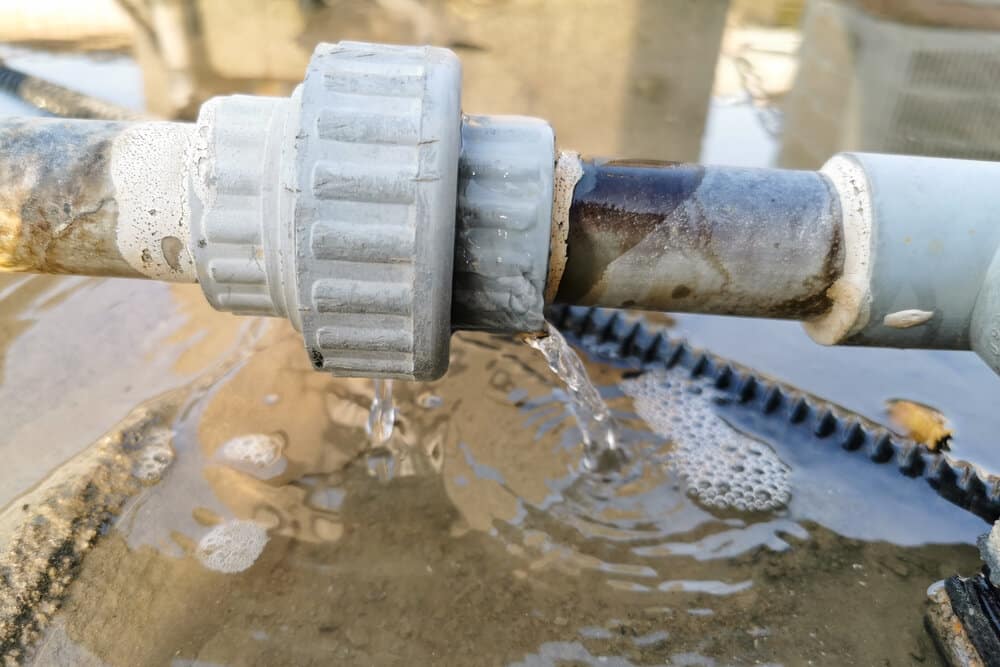
Credit: fischerheating.com
Improper Installation Issues
Water leaks from a central air conditioner often point to installation problems. These mistakes cause drainage issues and damage.
Understanding common errors helps prevent leaks and keeps your system working well.
Installation Mistakes Leading To Leaks
Wrong setup can cause water to pool and drip inside your home. Common faults include poor drainage and wrong unit placement.
- Improper slope of the condensate drain line
- Disconnected or clogged drain pipe
- Failing to insulate refrigerant lines
- Incorrectly sized drain pan
- Unit installed too close to walls or obstructions
Correcting Installation Problems
Fixing these issues requires checking and adjusting the installation carefully.
| Problem | Correction | Effect |
| Drain line slope too flat | Reposition drain line for proper slope | Improves water flow, stops pooling |
| Clogged drain pipe | Clear blockages or replace pipe | Allows water to drain freely |
| Uninsulated refrigerant lines | Install insulation sleeves | Prevents condensation buildup |
| Drain pan too small | Replace with correct size pan | Collects water properly, avoids overflow |
| Unit too close to walls | Move unit for better airflow | Reduces moisture buildup and leaks |
Maintenance Tips To Prevent Leaks
Water leaks from central air conditioners can cause damage to your home. Regular maintenance helps stop leaks before they start. Simple actions can keep your AC working well.
Checking and cleaning your AC unit often saves money and avoids repairs. Here are key tips to keep your system dry and efficient.
Regular Inspections
Look over your air conditioner at least once a month during the cooling season. Check for any signs of water puddles or damp spots near the unit. Inspect drain lines and pans for blockages or cracks. Early detection of problems can prevent leaks.
- Examine drain pan for rust or holes
- Check drain lines for clogs or damage
- Look for ice build-up on coils
- Listen for unusual sounds indicating issues
Cleaning And Servicing
Cleaning your AC helps water flow properly and stops leaks. Dirt and debris can block drains and cause water to back up. Regular servicing keeps parts working well and prevents moisture problems.
| Task | Frequency |
| Clean or replace air filters | Every 1-3 months |
| Clear drain lines with vinegar or bleach | Every 3-6 months |
| Clean evaporator and condenser coils | Annually |
| Check and clean drain pans | Annually |
When To Call A Professional
Some AC problems need expert help. If your system leaks water after cleaning, or you see ice on coils, call a professional. They can fix hidden issues and ensure your system runs safely.
- Persistent water leaks
- Frozen evaporator coils
- Damaged or rusted drain pan
- Blocked or broken drain lines
- Unusual noises or smells

Credit: honorservices.com
Frequently Asked Questions
Why Is My Central Air Conditioner Leaking Water Inside?
Water leaks inside usually happen due to clogged drain lines or a blocked condensate pump. Dirt and debris stop water from draining properly. This causes water to back up and leak indoors. Regular maintenance helps prevent this issue and keeps your AC functioning well.
Can A Frozen Evaporator Coil Cause Water Leaks?
Yes, a frozen evaporator coil can cause leaks. When it melts, excess water drains out and may overflow the pan. This often happens due to low refrigerant or poor airflow. Fixing airflow and refrigerant levels solves this problem efficiently.
How Does A Clogged Condensate Drain Cause Leaks?
A clogged condensate drain blocks water flow out of the AC unit. This causes water to pool and eventually leak inside your home. Cleaning the drain line regularly removes blockages and prevents leaks, ensuring smooth drainage.
Is Poor Insulation A Reason For Ac Water Leakage?
Poor insulation around ducts or pipes can cause condensation to form, leading to leaks. Insulation prevents warm air from cooling and creating excess moisture. Proper insulation helps avoid water buildup and protects your home from damage.
Conclusion
Leaking air conditioners can cause stress. Common reasons include clogged drains or dirty filters. Regular maintenance helps prevent these issues. Check and clean filters monthly. Ensure drain lines stay clear. If problems persist, consult a professional. Timely fixes prevent bigger expenses.
Proper care keeps your unit efficient. A little attention goes a long way. Avoid surprise leaks. Enjoy a cool, comfortable home without worry. Remember, small steps make a big difference. Stay proactive. Keep your air conditioner in top shape. Your comfort depends on it.