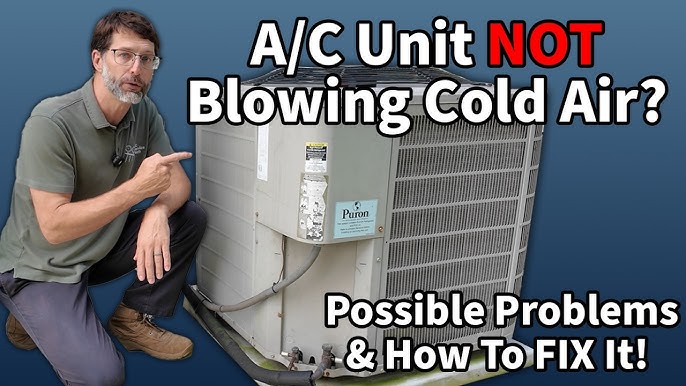
Is your central air conditioner running but not cooling your home like it used to? You’re not alone, and it can be frustrating when you expect cool air but only get warm or stale air instead.
Understanding why your AC isn’t cooling properly is the first step to fixing the problem and getting back to comfort. You’ll discover the common reasons behind this issue and simple solutions you can try yourself before calling a professional. Keep reading—your cool, refreshing home is closer than you think.
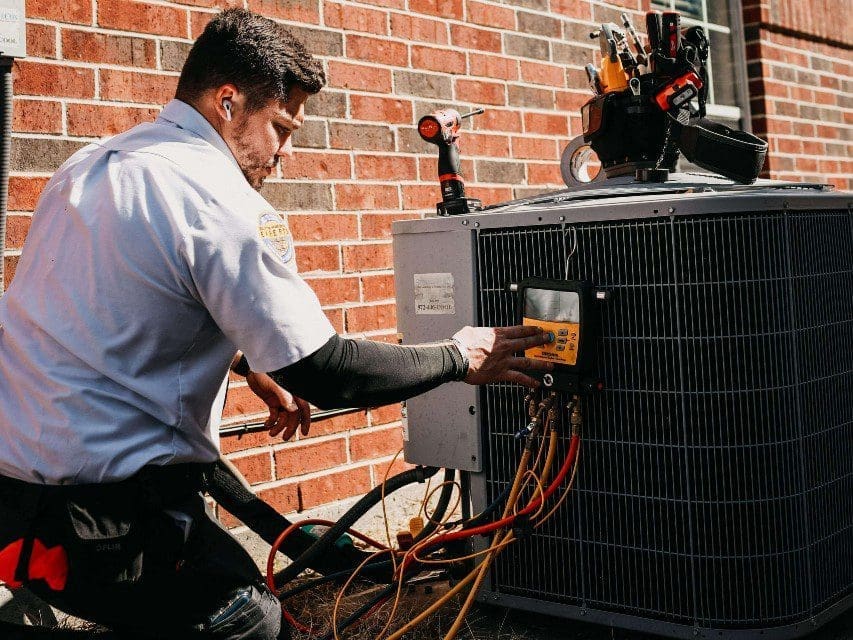
Credit: callmilestone.com
Common Causes Of Poor Cooling
When your central air conditioner is not cooling well, it can be frustrating. Many issues can cause poor cooling performance.
Understanding common problems helps you know what to check or tell a technician.
Dirty Air Filters
Air filters trap dust and dirt from the air. When filters get dirty, airflow slows down.
Reduced airflow makes the system work harder and cool less effectively.
- Check filters every month during high use
- Replace or clean filters if they look dirty
- Clean filters improve air quality and cooling
Thermostat Issues
A thermostat controls the temperature in your home. If it is not working right, the AC may not cool properly.
Incorrect settings or faulty sensors can cause the AC to turn off too soon or not start at all.
- Make sure the thermostat is set to “cool” mode
- Check the temperature setting is lower than room temperature
- Replace batteries or the thermostat if it is old or broken
Refrigerant Leaks
Refrigerant helps the AC remove heat from your home. A leak lowers the refrigerant level.
Low refrigerant means the AC cannot cool the air well and may freeze up.
- Look for oily spots near AC lines or coils
- Listen for hissing sounds from the unit
- Call a professional to find and fix leaks and recharge refrigerant
Blocked Condenser Unit
The condenser is the outdoor part of your AC. It releases heat from inside your home.
If the condenser is blocked by leaves or dirt, it cannot work well. This reduces cooling.
- Clear debris around the condenser
- Keep at least two feet of space around the unit
- Clean the condenser fins carefully with water
Faulty Compressor
The compressor is the heart of the AC. It pumps refrigerant through the system.
If the compressor is broken or worn out, the AC will not cool properly or may stop working.
- Listen for strange noises from the compressor
- Check if the AC blows warm air
- Have a professional inspect and replace the compressor if needed

Credit: www.youtube.com
Simple Diy Fixes
If your central air conditioner is not cooling, some simple checks can help. You might fix it yourself without calling a technician.
Try these easy steps to improve your air conditioner’s performance and cool your home better.
Cleaning Or Replacing Air Filters
Dirty air filters block airflow and reduce cooling. Check your air filter every month. Replace or clean it if it looks dirty.
- Turn off the air conditioner before removing the filter.
- Remove the filter carefully from the unit.
- If reusable, wash the filter with water and dry it fully.
- If disposable, replace it with a new filter of the same size.
- Put the filter back and turn the unit on.
Resetting The Thermostat
Your thermostat controls the air conditioner’s cooling. Sometimes it needs a reset to work right. Follow these steps to reset it:
- Turn off your air conditioner.
- Remove the thermostat cover gently.
- Find the reset button or switch.
- Press and hold the reset button for 5 seconds.
- Put the cover back and turn the unit on.
- Set the desired temperature again.
Clearing Debris Around The Unit
Debris around your outdoor unit blocks airflow and lowers cooling. Keep the area clean for better performance.
| Type of Debris | Action Needed |
|---|---|
| Leaves | Remove and dispose of leaves around the unit |
| Grass clippings | Clear clippings after mowing the lawn |
| Dirt and dust | Use a soft brush or hose to clean the unit gently |
| Branches or sticks | Pick up and discard any sticks near the unit |
When To Call A Professional
Your central air conditioner may stop cooling properly for several reasons. Some issues need expert help to fix safely and correctly.
Knowing when to call a professional can save you time, money, and prevent damage to your system.
Handling Refrigerant Problems
Refrigerant leaks lower cooling efficiency. Only certified technicians can handle refrigerant safely because it requires special tools and knowledge.
- Signs of refrigerant issues include ice on coils and warm air blowing
- Professionals check for leaks and recharge refrigerant if needed
- Improper handling can harm the environment and your system
Repairing Electrical Components
Electrical faults cause many cooling problems. These include blown fuses, faulty capacitors, or bad wiring.
| Electrical Issue | Symptom | Why Call a Pro |
| Blown Fuse | Unit won’t turn on | Needs safe replacement |
| Faulty Capacitor | Fan won’t run | Requires special tools |
| Wiring Problems | Intermittent cooling | Risk of shock or fire |
Addressing Compressor Failures
The compressor is the heart of your AC system. If it fails, your unit will not cool at all.
Call a professional if you notice:
- Loud clicking or humming sounds
- AC runs but no cold air
- System shuts off quickly
They can test the compressor and replace it safely if needed.
Maintenance Tips To Prevent Cooling Issues
Keeping your central air conditioner working well needs regular care. Simple maintenance helps avoid cooling problems. You can keep your home cool and save energy by following easy tips.
Many cooling issues happen because of neglect. Checking parts and cleaning your system can keep it running longer and better.
Regular Filter Replacement
Air filters catch dust and dirt to protect your AC system. Dirty filters block airflow and make your unit work harder. Replace filters every 1 to 3 months. This keeps air clean and the system efficient.
- Check filter monthly for dirt
- Use the right filter size
- Replace disposable filters regularly
- Clean reusable filters as instructed
Seasonal System Inspections
Inspect your air conditioner before hot seasons start. A professional check helps find small problems early. They check refrigerant levels, electrical parts, and thermostat settings. This keeps your system safe and cool.
| Inspection Item | Why It Matters |
| Refrigerant Level | Ensures proper cooling |
| Electrical Connections | Prevents failures and hazards |
| Thermostat Function | Keeps temperature accurate |
| Drain Lines | Avoids water damage |
Keeping Outdoor Unit Clear
Outdoor units need space to work well. Dirt, leaves, and plants can block airflow. Keep the area around the unit clean and free. Check it often and remove debris. This helps your AC cool better and last longer.
- Trim plants and bushes at least 2 feet away
- Remove leaves and grass clippings
- Clean the fins gently with a hose
- Check for any nests or pests
Credit: fischerheating.com
Frequently Asked Questions
Why Is My Central Ac Blowing Warm Air?
Warm air from your AC often means low refrigerant or a dirty filter. Check the thermostat settings and ensure vents are open. A professional inspection may be needed to fix leaks or recharge refrigerant for proper cooling.
How Often Should I Clean My Ac Filters?
Clean AC filters every 1 to 3 months. Dirty filters block airflow and reduce cooling efficiency. Regular cleaning improves air quality and extends the unit’s lifespan, keeping your central air conditioner running smoothly.
Can A Frozen Ac Coil Cause No Cooling?
Yes, a frozen coil restricts airflow and stops cooling. It often happens due to low refrigerant, dirty filters, or poor airflow. Turn off the unit and let it thaw, then address the underlying issue to prevent freezing again.
What Role Does Thermostat Play In Ac Cooling?
The thermostat controls your AC temperature settings. Incorrect settings or a malfunctioning thermostat can prevent cooling. Ensure it’s set to “cool” mode and a proper temperature. Replace batteries or the thermostat if it’s unresponsive.
Conclusion
Central air conditioner issues can disrupt your comfort. Regular maintenance helps prevent problems. Check filters and vents for blockages. Clean them for better airflow. Listen for unusual noises. These can indicate mechanical issues. Thermostat settings matter too. Ensure it’s on the correct mode.
Low refrigerant can also cause cooling problems. Consult a professional if needed. Address these issues early to avoid bigger repairs. Stay cool and comfortable at home. Prevention is key to a happy, chilled summer. Your central air system needs care.
Keep it running efficiently for years. Don’t let minor issues escalate. Enjoy a cool home.